UPDATE: A poignant letter to Miss Manners reveals the ongoing struggles of a cancer survivor facing painful comments about her newly curly hair. The emotional turmoil is compounded by well-meaning remarks from friends and community members, making her journey to recovery more challenging.
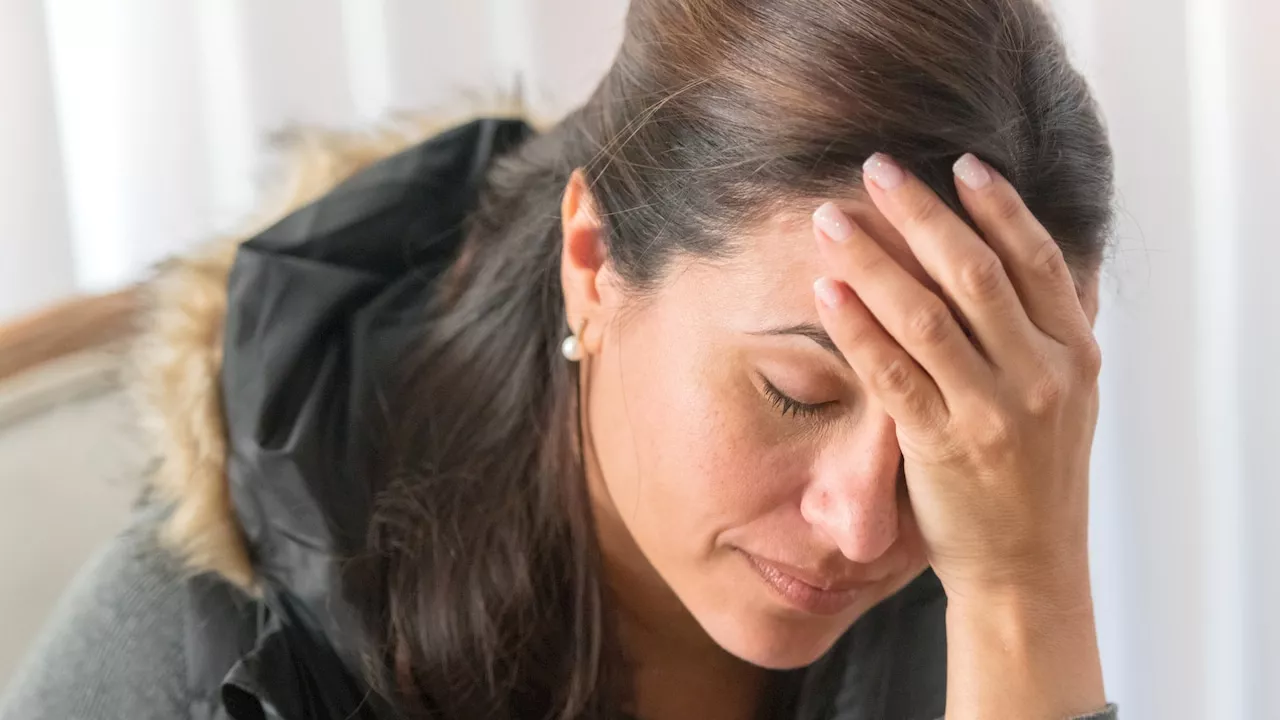
In her recent column, the anonymous writer shares that she is recovering from cancer treatment and is grappling with the emotional weight of her changing appearance. Following her treatment last year, her hair is growing back in tight curls, and she feels bombarded by unsolicited comments such as, “Oh, your hair! It’s so curly!” These remarks serve as a painful reminder of her battle, hindering her efforts to feel normal again.
“It’s a painful reminder when I’m trying to feel normal again,” the writer confided, expressing frustration over the repetitive nature of these comments from her church community and even at the gym. Despite her attempts to explain the emotional distress these remarks cause, many insist her curls look good, leaving her feeling misunderstood and overwhelmed.
Miss Manners, renowned for her etiquette expertise, responded with a dose of reality. She acknowledged the unfortunate truth that there is no legal way to stop people from commenting on appearances. She emphasized that those who make such comments often believe they are offering compliments, even if they are not warranted.
While Miss Manners sympathizes with the writer’s plight, she suggests a strategy for coping: a silent, humorless stare may deter further remarks. However, there is little hope of retraining individuals determined to comment on others’ appearances.
The emotional toll of dealing with these well-intentioned yet hurtful comments cannot be understated. It highlights the need for greater awareness and sensitivity in social interactions, especially concerning sensitive topics like health recovery and personal appearance.
As this story circulates, it underscores a crucial message: compassion and understanding should prevail when discussing someone’s appearance, particularly for those navigating the aftermath of serious illness.
Moving forward, the cancer survivor’s experience is a stark reminder for all to consider the potential impact of their words. As the conversation continues, many hope for a shift towards more empathetic interactions rather than superficial observations.
For those following this developing story, it serves as a call to be more mindful of the emotional journeys others are on. Sharing these insights could foster a more supportive community for everyone.