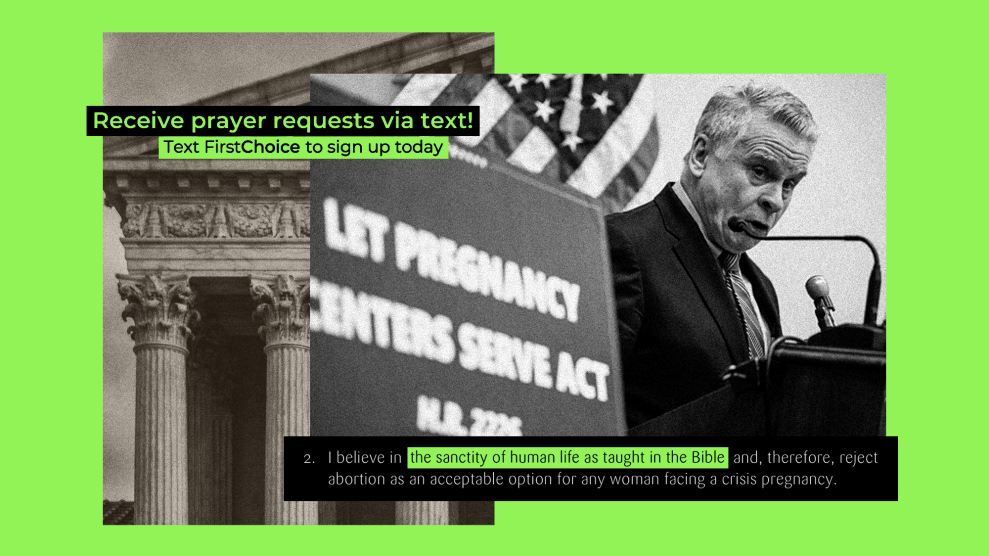
The United States Supreme Court is set to hear a pivotal case that could redefine the regulatory landscape for crisis pregnancy centers (CPCs). The case revolves around New Jersey’s efforts to investigate First Choice Women’s Resource Centers, which may have misled consumers regarding the services they provide. The court’s decision could have significant implications for the estimated $2 billion-a-year CPC industry, which often operates under the protection of the First Amendment.
Crisis pregnancy centers, such as First Choice located in northeastern New Jersey, present a complex picture. Their websites, aimed at both donors and potential clients, show a stark contrast. While they prominently display affiliations with anti-abortion organizations like Heartbeat International and CareNet, they offer limited disclosure about their religious affiliations and anti-abortion stance on sites targeting pregnant women. These centers frequently advertise services such as “free and confidential abortion information consultations” while omitting crucial disclaimers that they “do not perform or refer for” abortions.
The legal dispute began in November 2023 when New Jersey Attorney General Matthew Platkin, a known supporter of abortion rights, issued a subpoena to First Choice. This subpoena sought a decade’s worth of communications and documents to determine whether the center had misled potential clients and donors regarding reproductive health services. Traditionally, challenges to such subpoenas are addressed in state courts, but First Choice has sought to escalate the matter to federal court, arguing that the investigation infringes on its religious and free speech rights.
The Supreme Court previously sided with the CPC industry in a landmark 2018 ruling, blocking a California law that aimed to compel CPCs to disclose information about state-funded family planning services, including abortion. This decision has created a significant barrier for state attempts to regulate CPC practices, leading to what some legal experts describe as a “regulatory dead zone.”
As the Supreme Court prepares to hear arguments, the core legal question remains whether CPCs can directly challenge subpoenas in federal court or must first navigate state court systems. A favorable ruling for First Choice could allow the organization to avoid state scrutiny, potentially impacting future cases against CPCs concerning practices like “abortion pill reversal,” which lacks scientific backing.
Concerns have been raised that the outcome of this case could extend beyond CPCs, affecting various organizations, including humanitarian groups and media outlets. The American Civil Liberties Union (ACLU) warned in an amicus brief that the same type of subpoena used against First Choice could be employed against organizations advocating for marginalized causes, thereby chilling free speech and activism.
Legal representatives from the conservative legal group Alliance Defending Freedom (ADF) argue that the investigation represents an unjust targeting of First Choice based on its religious beliefs. They emphasize that the center has provided essential services to the community, including hundreds of thousands of free ultrasounds and other resources. Aimee Huber, executive director of First Choice, has publicly defended the organization, highlighting its commitment to supporting women in need.
The Supreme Court’s ruling, anticipated by summer 2024, could set a precedent for how states regulate CPCs and may significantly influence the broader landscape of reproductive health services in the United States. The decision will be closely watched by both supporters and opponents of the CPC movement, as it may either bolster the centers’ ability to operate with minimal oversight or pave the way for increased regulation in the future.