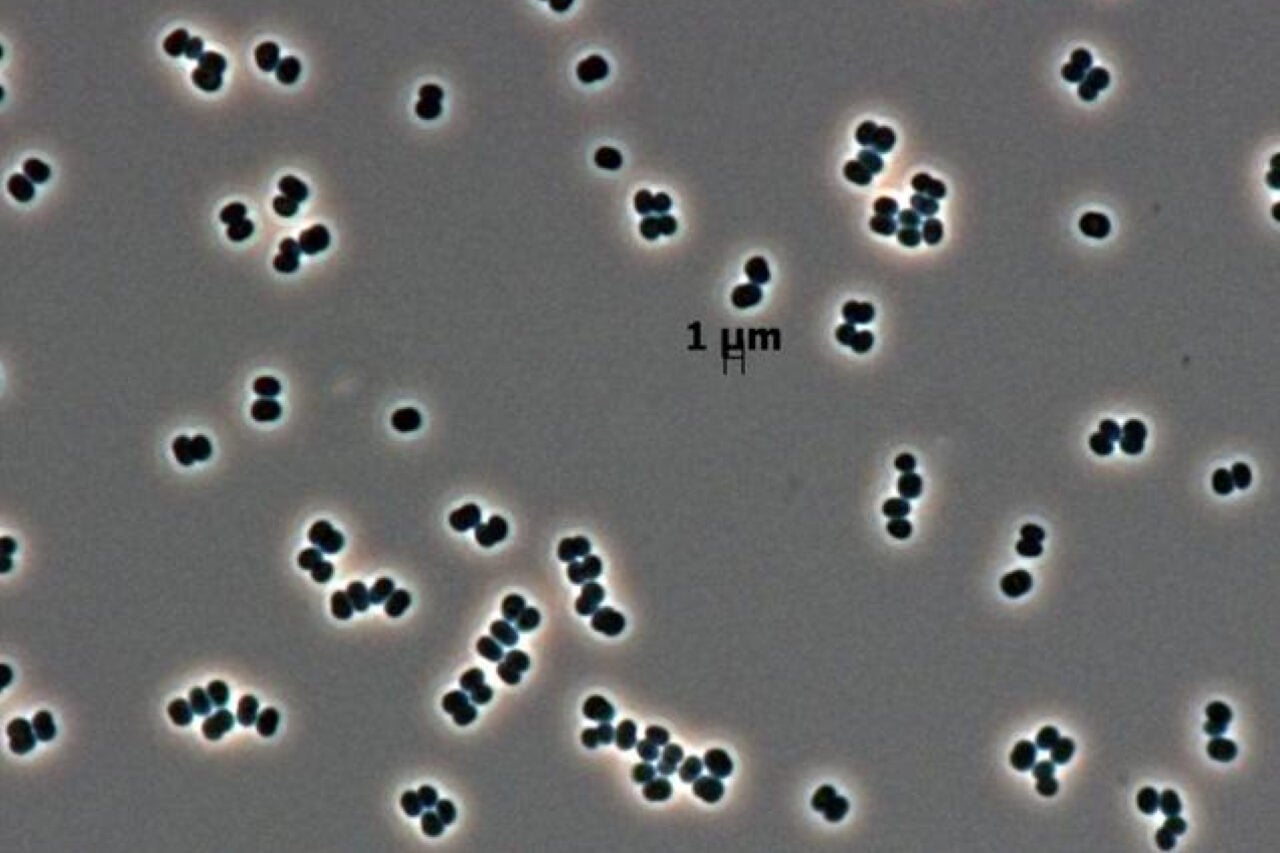
In a remarkable discovery, researchers have found that a bacterium named Tersicoccus phoenicis can survive extreme sterilization methods in NASA clean rooms, raising concerns about the potential for contamination on Mars. This microbe was first identified in 2007 in two separate clean rooms located 2,500 miles (4,000 kilometers) apart. A recent study published in Environmental Microbiology sheds light on its ability to enter a dormant state, making it appear dead while it is actually alive.
The significance of clean rooms lies in their role in preventing contamination during space missions. NASA employs rigorous sterilization techniques, including heating, drying, and chemical cleaning with microbe-killing agents, to ensure that Earth microbes do not interfere with the search for extraterrestrial life. Despite these extensive measures, T. phoenicis not only survived but also avoided detection during sterilization checks.
In 2013, NASA confirmed the presence of T. phoenicis, assuring the public that it posed no health risks. However, the study led by Madhan Tirumalai, a microbiologist at the University of Houston, aimed to delve deeper into the microbe’s survival strategies. The researchers conducted experiments where they deprived the bacteria of nutrients and placed them on sterile glass Petri plates. Remarkably, within 48 hours, the bacteria entered a dormant phase, appearing lifeless for up to seven days. Even attempts to revive them with nutrients were unsuccessful until they were exposed to a specific protein.
Nils Averesch, a microbiologist at the University of Florida who was not involved in the study, emphasized the importance of these findings, stating, “The fact that this bacterium can intentionally suspend its metabolism makes survival on spacecraft surfaces or during deep-space cruise more plausible than previously assumed.” This ability to remain dormant enhances the likelihood of microbial survival in harsh environments.
The implications of this research extend to the possibility of contamination on Mars. One of the clean rooms where T. phoenicis was discovered was used in preparations for NASA’s Phoenix Mars lander, which successfully reached the Martian surface. Experts have expressed concern about whether such resilient microbes could have gone undetected and ended up on Mars. However, Averesch reassured that the chances of survival for any microbes exposed directly on the Martian surface are slim.
Interestingly, T. phoenicis has not been found outside of NASA clean rooms, suggesting it may have evolved specifically for these environments. The insights gained from studying this microbe could also lead to enhanced strategies for cleaning space exploration facilities, ensuring the integrity of future missions.
Ultimately, the study of Tersicoccus phoenicis highlights the tenacity of even the smallest life forms and underscores the need for vigilance in preventing contamination in the search for extraterrestrial life. Scientists continue to explore the remarkable survival mechanisms of these organisms, which challenge our understanding of life’s limits.