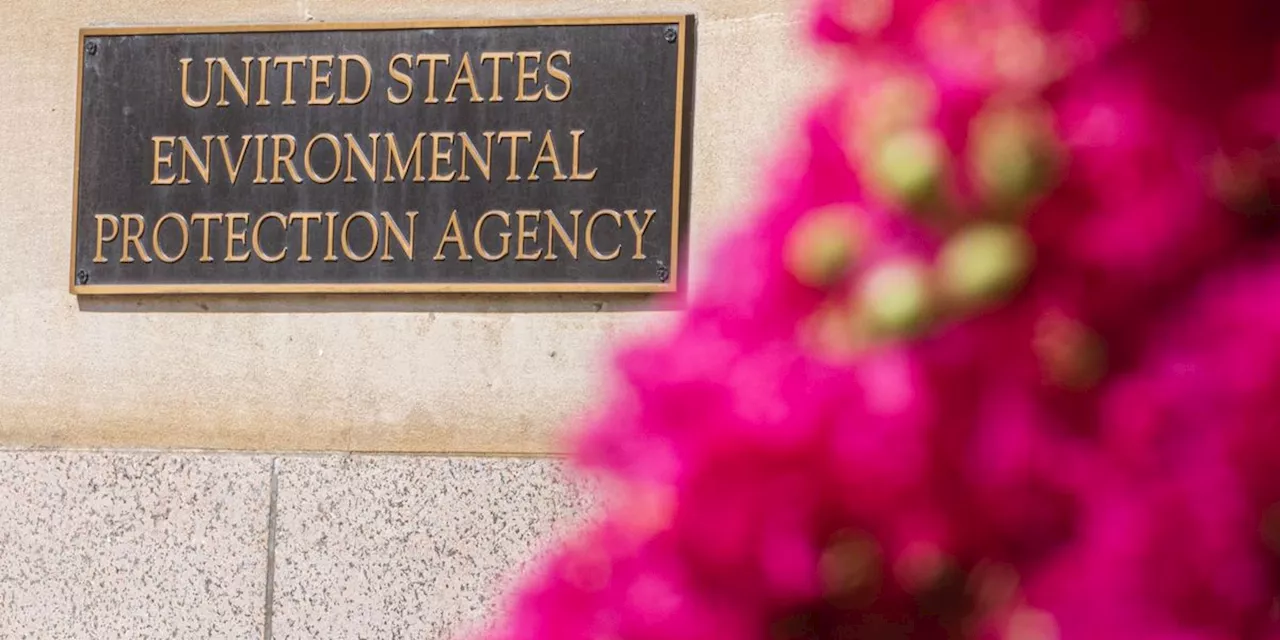
Six former employees of the US Environmental Protection Agency (EPA) have filed a legal challenge against their terminations, which they allege were retaliatory actions due to their criticism of the Trump administration’s environmental policies. The employees, who were part of a group of 160 fired shortly after signing a “declaration of dissent” in June 2023, claim their First Amendment rights were violated.
The dissenting employees criticized EPA Administrator Lee Zeldin, asserting that he was “recklessly undermining” the agency’s mission and disregarding scientific consensus to favor polluters. The challenge has been submitted to the US Merit Systems Protection Board, which reviews appeals from federal workers who have been terminated.
In their legal claim, the six individuals argue that they were subjected to unlawful dismissals for exercising their rights to free speech. They contend that their terminations were handled more harshly compared to other employees who participated in the dissent, many of whom faced temporary suspensions instead of firings.
According to Public Employees for Environmental Responsibility (PEER), which is supporting the terminated staff, many of the affected individuals had extensive and distinguished careers in federal service. For instance, John Darling was a senior research biologist with over two decades of experience focused on protecting endangered aquatic species. Similarly, Tom Luben, an expert in environmental epidemiology, dedicated more than 18 years to the EPA, investigating how air pollution impacts pregnancy, and received 14 National Honor Awards for his work. Another former employee, Missy Haniewicz, contributed ten years to hazardous waste cleanup efforts across Utah prior to her dismissal.
PEER disclosed an example of a termination notice received by one of the employees, which cited “conduct unbecoming of a federal employee” as the reason for dismissal. The notice acknowledged the employee’s lengthy service and commendable performance but stated that these factors were outweighed by the “serious nature of your misconduct.” The document claimed the agency must not tolerate actions that undermine its decisions or interfere with its operations.
The legal team representing the former employees highlights that their dismissals contradict the Civil Service Reform Act of 1978, which protects federal employees from arbitrary actions, personal favoritism, or coercion for political reasons. It also safeguards whistleblowers who disclose information regarding violations of law or threats to public health.
“Federal employees have the right to speak out on matters of public concern in their personal capacities, even when they do so in dissent,” stated Joanna Citron Day, general counsel for PEER. She emphasized that the EPA’s actions not only undermine the First Amendment rights of its workforce but also jeopardize public safety by dismissing experienced employees essential to the agency’s mission.
The broader context reveals that the Trump administration has laid off approximately 300,000 federal civil servants over the past year, with some dismissals appearing retaliatory against dissenters. Just recently, 14 employees at the Federal Emergency Management Agency (FEMA) were placed on administrative leave after signing a dissenting open letter regarding budget cuts.
Additionally, following a public call for the resignation of Robert F. Kennedy Jr. from over a thousand employees at the Department of Health and Human Services, the agency experienced what has been referred to as a “Friday Night Massacre,” resulting in significant layoffs.
Eden Brown Gaines, an attorney representing the plaintiffs, stated, “If America is to remain on the course of democracy and honor the principles of its Constitution, we must allow its judicial system to restore employment for those unjustly fired and our collective faith in our country.”
PEER concluded with a powerful statement, asserting, “Truth is not a fireable offense.” The outcome of this legal challenge could have significant implications for federal employees and their rights to express dissenting opinions on governmental policies.