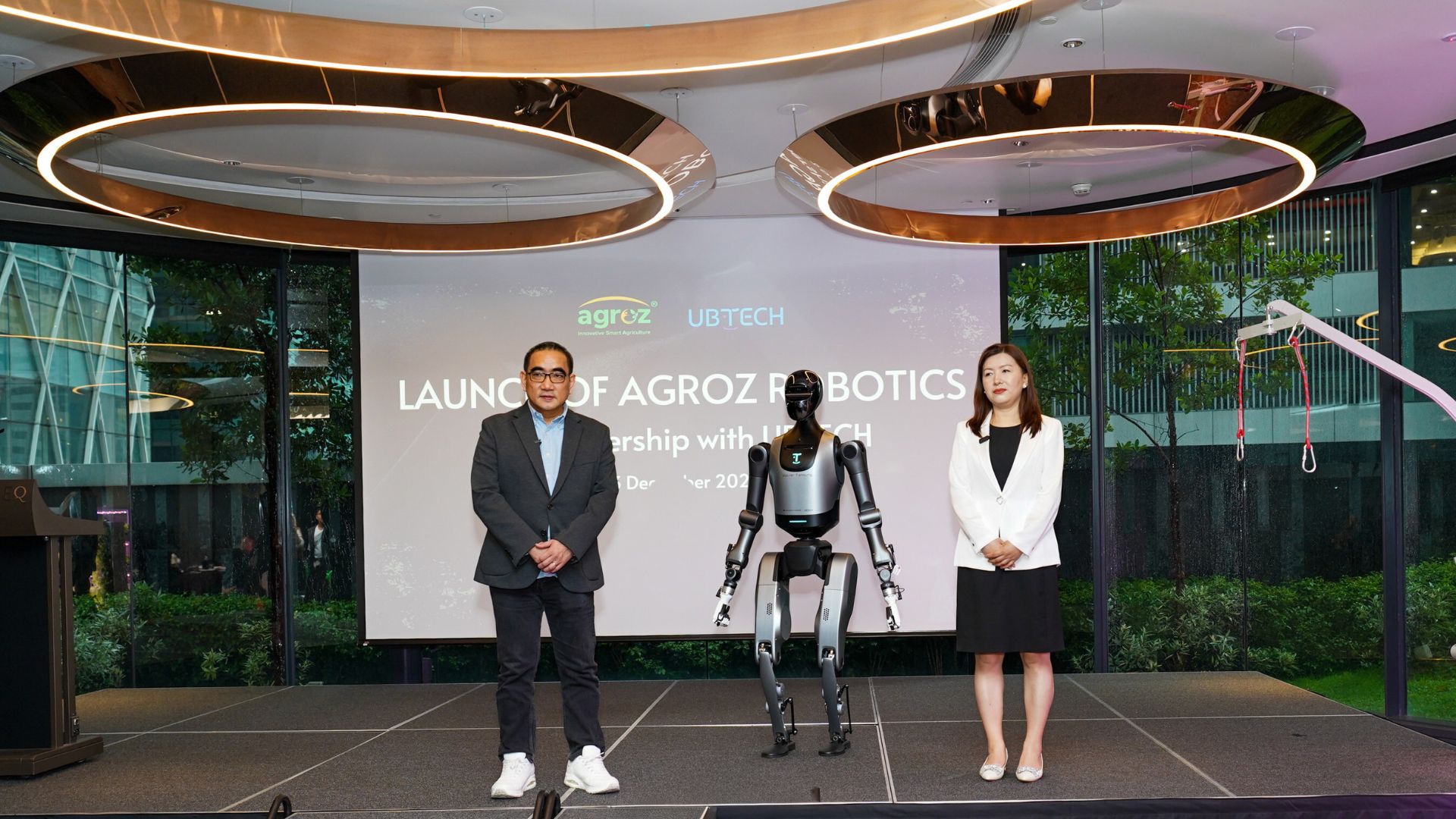
A Malaysian agricultural technology firm has announced a groundbreaking initiative to integrate humanoid robots into vertical farming. The collaboration with UBTECH Robotics, a global leader in humanoid robotics, aims to enhance efficiency and productivity in the agricultural sector.
The initiative marks a significant step towards the modernization of farming practices in Malaysia. By leveraging advanced robotics, the partnership is set to address key challenges in food production, particularly in urban environments where space is limited. The introduction of these robots is expected to streamline operations, reduce labor costs, and improve crop yields.
Transforming Agriculture with Robotics
The use of humanoid robots in farming is a forward-thinking approach that aligns with global trends toward automation and sustainability. These robots are designed to perform various tasks, including planting, harvesting, and monitoring crop health. According to industry experts, integrating robotics into agriculture not only enhances productivity but also contributes to sustainable farming practices.
Vertical farming is increasingly recognized as a solution to food security challenges. By utilizing controlled environments, it allows for year-round crop production without the need for extensive land use. The partnership between the Malaysian firm and UBTECH Robotics will focus on developing specialized robots tailored for vertical farming applications.
Impacts on the Agricultural Sector
This initiative is expected to have a profound impact on the agricultural landscape in Malaysia. The incorporation of humanoid robots can lead to more efficient farming practices, which is essential in meeting the growing demand for food. As urban populations continue to rise, innovative solutions like vertical farming become crucial for sustainable food production.
The Malaysian government has expressed support for technological advancements in agriculture. Officials believe that investing in automation will not only boost productivity but also position Malaysia as a leader in agricultural innovation in the region. The collaboration with UBTECH Robotics aligns with national goals to enhance food security and promote sustainable agricultural practices.
As the initiative progresses, it will be closely monitored for its effectiveness and potential scalability. If successful, this project could serve as a model for other countries looking to modernize their agricultural sectors through technology. The integration of humanoid robots in farming represents a significant leap towards a more efficient and sustainable food production system.