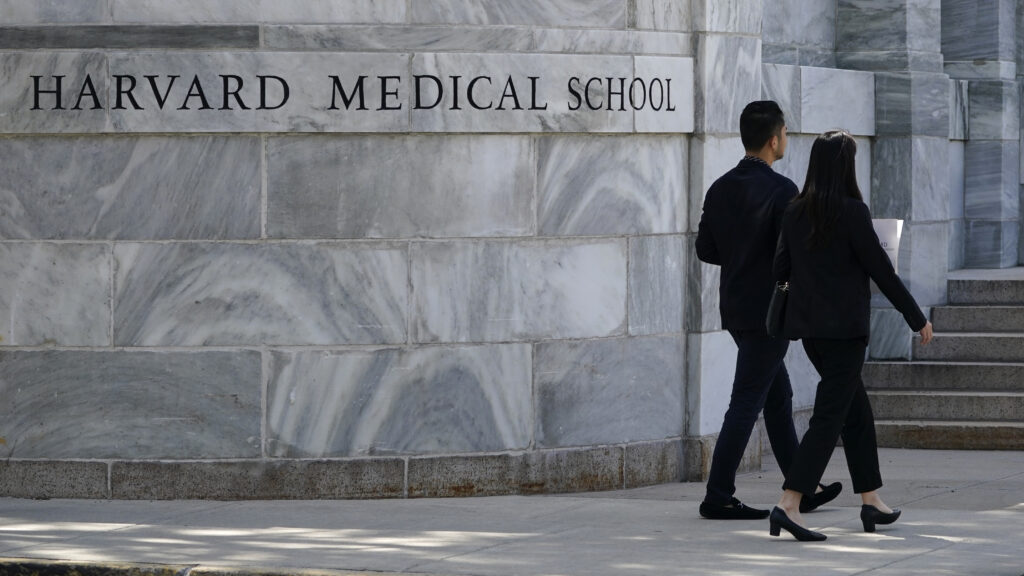
Recent funding cuts from the Trump administration have significantly impacted a prominent Harvard University lab, leaving it struggling financially. This situation highlights the broader ramifications of reduced federal support for scientific research and development.
At a closed-door investor conference held in New York, prominent FDA vaccines chief Vinay Prasad expressed his frustrations regarding “misleading media narratives” that have emerged in the wake of his controversial stance on vaccine studies. His call for more extensive and longer studies for updated vaccines has sparked considerable debate and backlash, particularly from the medical community.
According to reports from STAT, Prasad’s proposal has faced extraordinary public criticism, with opposition coming from 12 former FDA commissioners. These seasoned professionals have voiced concerns that his recommendations could hinder the timely availability of vaccines, especially in the context of ongoing public health challenges.
The funding cuts have not only affected individual researchers but have also raised concerns about the future of biotech innovation in the United States. Harvard’s lab, which has been at the forefront of computational biology, is a prime example of how federal budget reductions impact scientific progress. Researchers there have reported difficulties in securing necessary resources to continue their work, which is critical for advancements in various fields, including vaccine development and disease prevention.
Prasad’s remarks at the investor conference reflect a growing tension between regulatory requirements and the urgent need for effective vaccine solutions. As challenges in public health continue to evolve, the debate surrounding vaccine research and development remains a pivotal issue.
The ongoing dialogue highlights the intricate balance between ensuring safety and efficacy in vaccines while addressing the pressing needs of the population. As the biotech sector grapples with these challenges, the implications of funding cuts and regulatory changes will likely resonate throughout the industry.
As the situation develops, the focus will remain on how these financial challenges will shape the future of research at institutions like Harvard and the broader landscape of public health initiatives in the United States and beyond.