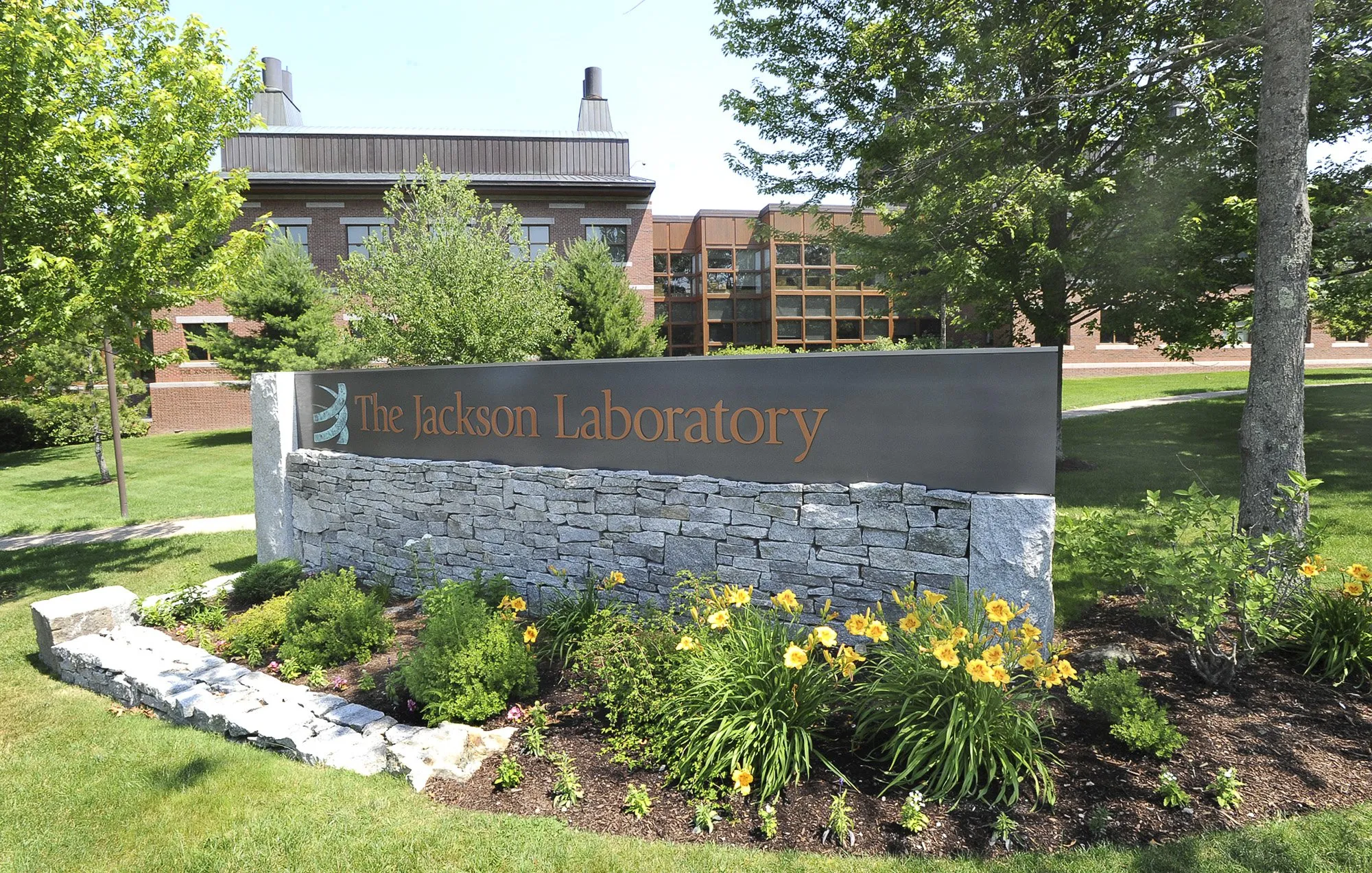
BREAKING: The Jackson Laboratory in Bar Harbor, Maine, has just been awarded a groundbreaking $30.6 million federal grant to develop innovative digital heart models aimed at revolutionizing drug testing. This announcement was made by the Advanced Research Projects Agency for Health (ARPA-H) today, marking a historic moment as the first federal grant of its kind for Maine.
The funding is set to be distributed over the next three years and will enable the lab to create advanced models that simulate human heart functions. These models will facilitate drug evaluation across diverse genetic profiles and physiological characteristics, potentially reducing the high failure rate of clinical trials.
Alicia Jackson, director of ARPA-H, emphasized the urgency of this initiative: “Too many promising medicines fail late, after years of work and enormous cost, because our best tools still don’t reliably predict how a drug will behave in people.” This grant is part of a larger effort, with eight projects across the nation receiving similar funding, all aimed at developing computer models to better predict safety and efficacy in new drugs.
Principal computational scientist Matt Mahoney expressed enthusiasm about the project, stating that the scale and ambition of the initiative could not be achieved without this funding. “With ARPA-H backing, we aim to eliminate the reliance on animal models for pre-clinical safety evaluations,” he said. The lab, which employs over 1,000 people, plans to expand its team to support this critical project.
The implications for drug development are significant. The leading cause of clinical trial failures is cardiotoxicity, where medications adversely affect heart function. Mahoney noted that traditional animal models often fall short in predicting human responses. “Our project is pioneering the use of AI methods along with human cellular models to create virtual human populations for toxicity testing,” he explained.
The grant has garnered praise from local officials, including Senator Susan Collins, who called it a testament to the remarkable work being done at The Jackson Laboratory. “This more than $30 million grant is a testament to the incredible work happening at The Jackson Laboratory that has the potential to dramatically reduce the time and cost of drug development,” Collins stated in a news release.
As this project unfolds, the scientific community and drug developers alike will be watching closely. The integration of artificial intelligence and human biological models could reshape the future of medicine, making drug testing safer and more efficient.
Stay tuned for updates on this developing story as the Jackson Laboratory embarks on this ambitious journey to enhance drug safety and efficacy.