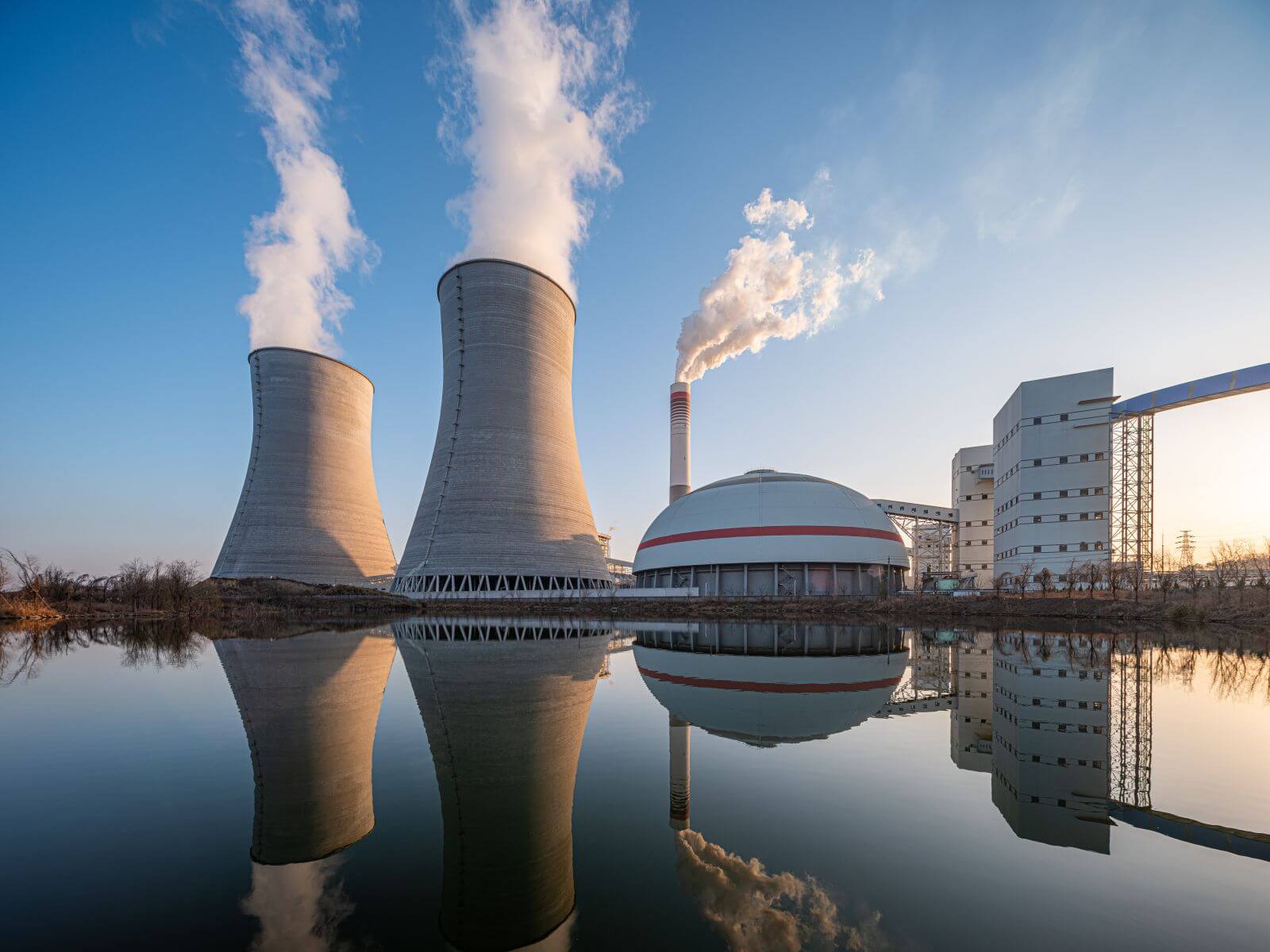
As winter approaches, American households are bracing for a significant increase in energy costs, with household spending on electricity for heating projected to rise by 10% this season. This surge has left many homeowners struggling to manage their budgets, a situation exacerbated by policies from previous administrations and ongoing market dynamics.
Impact of Energy Policies on Costs
The Trump administration is expected to bear political repercussions for energy policies that were initially set by the Biden administration and various Democratic governors. Years of low energy demand and stable electricity prices have dulled public awareness of energy economics. However, the landscape has shifted dramatically, with rising demand from new data centers and the end of inexpensive natural gas. Additionally, President Joe Biden‘s initiative to replace traditional baseload power sources like nuclear and coal with renewable energy has complicated electricity price structures.
Recent data indicates that residential electricity rates rose by 6.6% year-on-year as of June 2025, following an almost 30% increase from 2021 to 2024. Utilities have requested a staggering $29 billion rate increase in the first half of 2025—double the previous year’s request. According to the National Center for Energy Analytics, subsidies for wind and solar energy are significant contributors to these rising costs, distorting market dynamics.
The findings suggest that claims regarding increased demand from data center construction do not align with the facts. For instance, while Virginia has seen substantial data center growth, its ratepayers have experienced below-average price increases and continue to pay below-average electricity rates.
State-Level Initiatives and Future Policies
In response to these challenges, some states have begun implementing policies aimed at stabilizing energy costs. For example, Indiana has enacted legislation to delay coal plant retirements until utilities can demonstrate grid reliability in the transition to renewable energy sources. Meanwhile, Jeff Landry, the governor of Louisiana, has introduced comprehensive legislation designed to lower energy costs and enhance affordability for consumers.
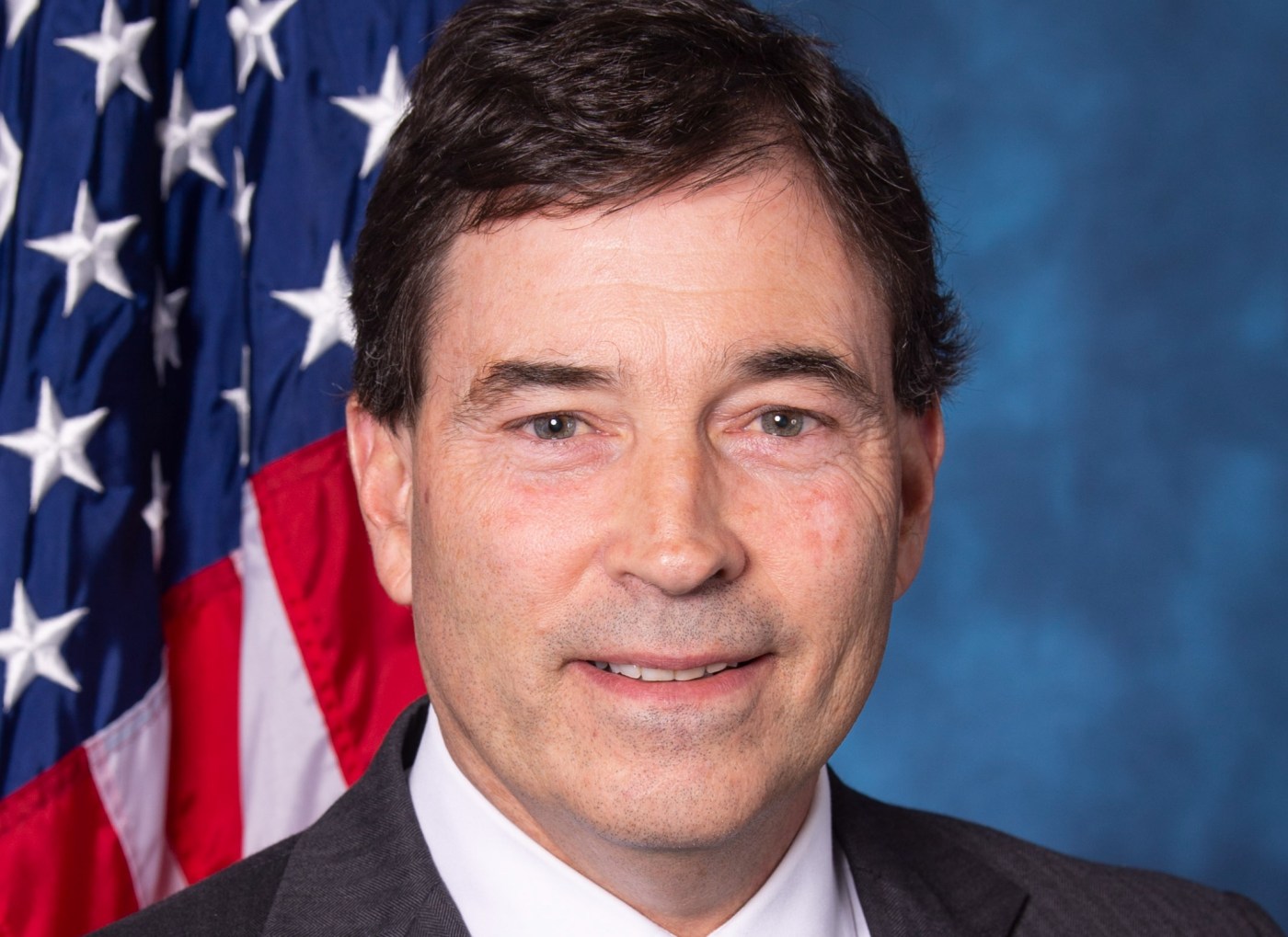
On the federal level, Congressman Troy Balderson is advocating for policies that prioritize affordable, reliable, and clean energy. The recent passage of the Big Beautiful Bill aims to address some market imbalances by accelerating the phase-out of certain wind and solar projects by the end of 2027. Yet, these measures may not offer immediate relief for families facing tough financial decisions this winter.
As the U.S. navigates these complex issues, energy affordability is becoming a crucial topic for households. The goal is to establish enduring policies that transcend political cycles, allowing families to pay less for energy while receiving reliable service. While the current administration has made strides—such as opening Alaska for energy production and easing restrictions on federal land—state and federal governments must collaborate to address the pressing needs of consumers.
As winter 2025-26 approaches, the urgency for effective energy policies is palpable. Americans are not only looking to stay warm; they are striving to build futures and achieve their dreams. A focus on affordable energy now could pave the way for a more stable and prosperous 2026.
William Murray, a former chief speechwriter for the Environmental Protection Agency, highlights the necessity for these discussions to transcend the electoral cycle, suggesting that energy issues should be at the forefront of public discourse.