Recent studies reveal that AI-generated wildlife videos are significantly altering public perceptions of the natural world. Researchers from the University of Córdoba in Spain have highlighted concerns regarding the impact of these digitally fabricated clips on people’s understanding of animal behavior and their habitats. As these videos gain popularity on social media, they risk creating a distorted view of wildlife, ultimately affecting conservation efforts.
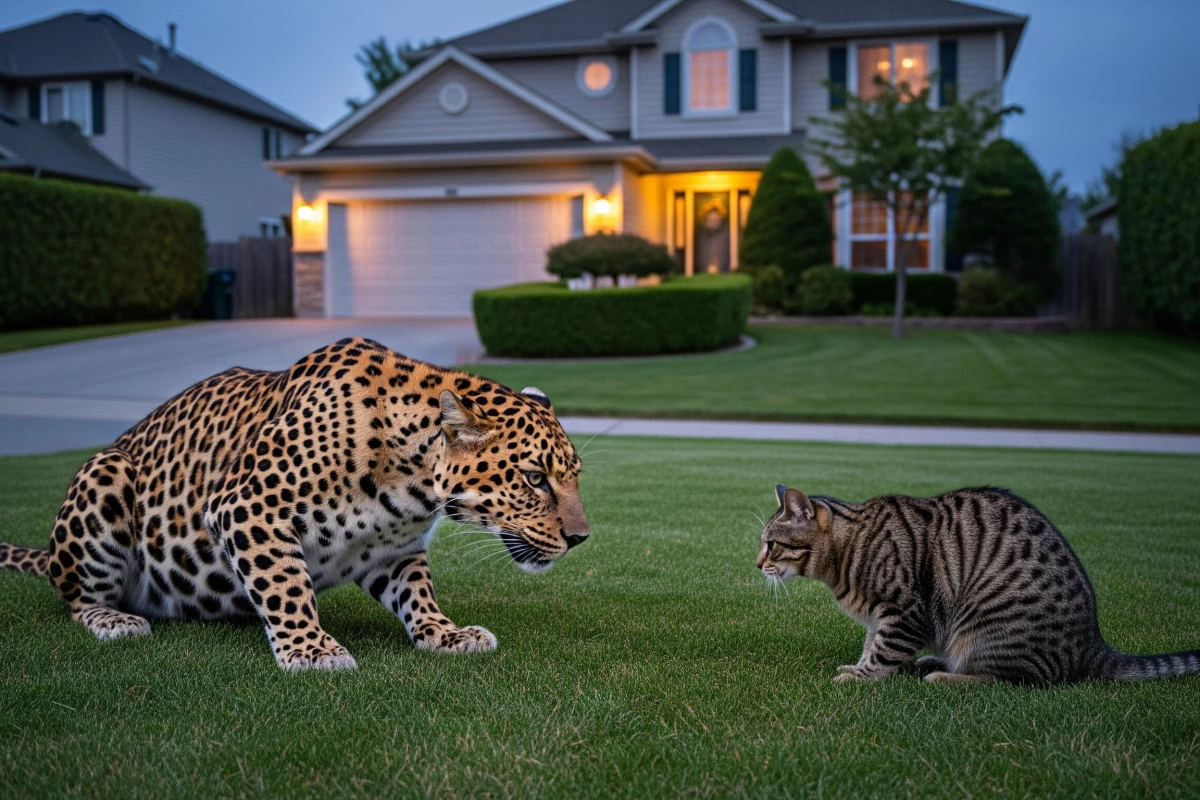
The phenomenon has gained traction in recent months, with various AI-generated clips circulating online. From leopards casually strolling through suburban backyards to bunnies seemingly performing gymnastics on trampolines, these fabricated scenes can mislead viewers. While some may initially dismiss these videos as harmless entertainment, scientists warn they pose serious risks to public understanding of ecosystems.
In a notable example, an AI-generated video featuring a leopard being chased by a house cat garnered over 1 million likes and more than 15,000 shares. Such rapid dissemination of fabricated content blurs the line between genuine wildlife encounters and synthetic portrayals, according to lead author José Guerrero-Casado. He notes, “They reflect characteristics, behaviors, habitats, or relationships between species that are not real.”
The proliferation of these videos can lead to misconceptions about animal behavior and ecological relationships. For instance, when rare species appear commonplace or dangerous animals are depicted as friendly companions, it can weaken the urgency surrounding their conservation. If children grow up seeing crocodiles and raccoons interacting in ways that defy reality, they may develop skewed expectations about wildlife, making it difficult to recognize the true nature of these animals and the challenges they face.
Research indicates that this disconnect between digital representations and authentic wildlife encounters can have long-term implications. Young children, who are particularly impressionable, might be exposed to a series of misleading videos that shape their understanding of nature. As noted by co-author Rocío Serrano, “There is already a total disconnect between citizens and wildlife, which is particularly pronounced among primary school children.”
The consequences of this trend extend beyond individual misperceptions. Conservation groups depend on public trust and accurate storytelling to advocate for the protection of vulnerable species and their habitats. When AI-generated wildlife content overshadows genuine representations, it jeopardizes this trust. Researchers assert that the more these fabricated moments spread across social media, the harder it becomes to convey the realities of biodiversity and the urgent need for conservation.
To address these challenges, experts advocate for several solutions. They recommend implementing clear labeling to differentiate between real and AI-generated content, enhancing oversight on social media platforms, and fostering transparency regarding the origins of wildlife videos. Education will also play a crucial role; if people better understand how AI clips are created and disseminated, they are less likely to mistake them for authentic encounters.
As public awareness grows regarding the implications of AI-generated wildlife content, it is essential to cultivate a discerning eye. The reality remains that what we encounter online significantly shapes our beliefs about the natural world. If AI-generated wildlife continues to dominate our social feeds, it becomes increasingly challenging to appreciate the extraordinary realities of real animals and the pressing vulnerabilities of many species.
The study detailing these findings was published in the journal Conservation Biology. By fostering respect and understanding for genuine wildlife, we can better appreciate the stakes involved in conservation efforts and the importance of recognizing the difference between living ecosystems and the artificial nature presented in digital media.