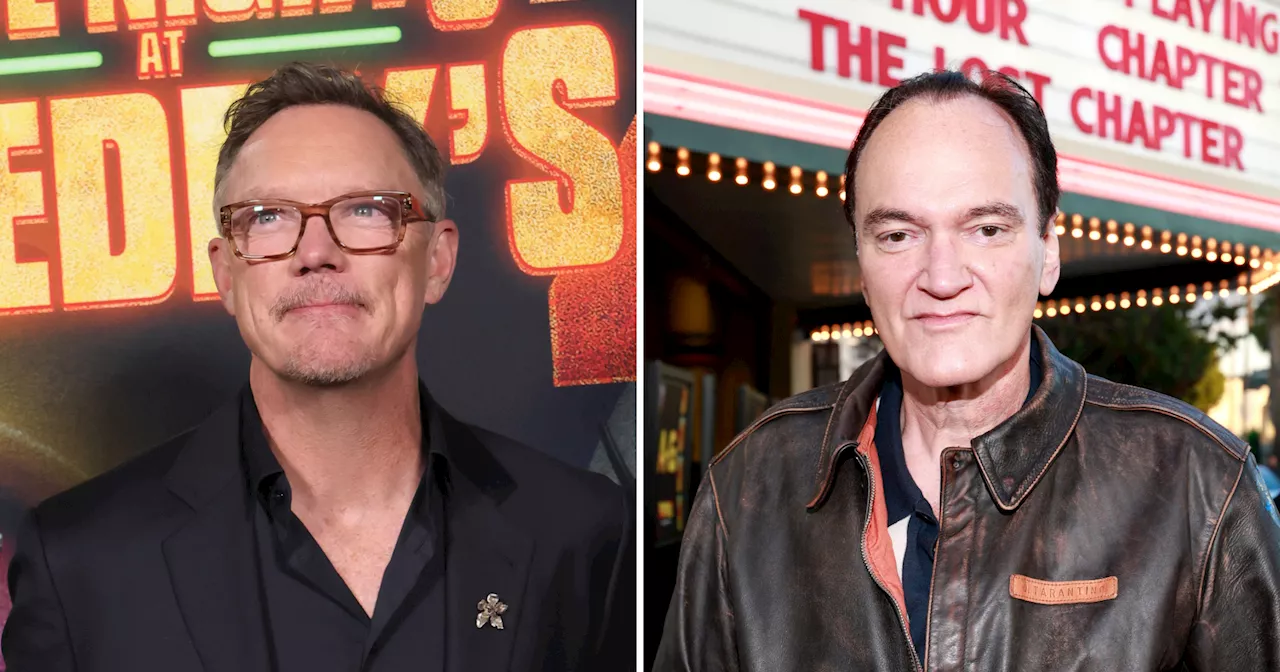
Matthew Lillard has publicly addressed recent comments made by director Quentin Tarantino, who criticized Lillard’s acting skills during a podcast appearance. Speaking at GalaxyCon in Columbus, Ohio, on December 5, 2023, Lillard shared that Tarantino’s remarks were hurtful, highlighting the emotional toll such criticism can take on actors.
While engaging with the audience, Lillard recounted Tarantino’s unfavorable opinion, stating, “Quentin Tarantino this week said he didn’t like me as an actor.” His comments drew boos from the crowd, prompting Lillard to dismiss the harsh critique in a humorous manner: “Eh, whatever. Who gives a s***.” However, he quickly shifted tone, admitting the impact of such statements. “It hurts your feelings. It f***ing sucks,” he continued. “You wouldn’t say that to Tom Cruise. You wouldn’t say that to somebody who’s a top-line actor in Hollywood. I’m very popular in this room. I’m not very popular in Hollywood.”
The statement from Lillard comes after Tarantino, 62, named his least favorite actors while discussing his top ten films of the 21st century on The Bret Easton Ellis Podcast. Among his remarks, he included Lillard in a list alongside other actors he does not favor, saying, “I don’t care for Owen Wilson, and I don’t care for Matthew Lillard.”
Tarantino’s comments were part of a broader critique of actor Paul Dano, who starred with Daniel Day-Lewis in the acclaimed film There Will Be Blood. Tarantino described Dano as “the weakest male actor in SAG,” further emphasizing his dissatisfaction with Dano’s performance. He expressed that the film, which centers on the ruthless oil industry in California during the late 19th and early 20th centuries, would have benefitted from stronger performances in the dual lead roles, claiming, “There would’ve been more stringiness to the beef.”
In the same podcast episode, Tarantino elaborated on his views about various actors, reflecting on his mixed feelings about Wilson’s performance in a different project. He acknowledged that his opinion shifted with subsequent viewings, illustrating the subjective nature of film critique.
Lillard’s candid response at GalaxyCon not only highlights his vulnerability but also sheds light on the often harsh realities faced by actors in Hollywood. His ability to address criticism with humor while conveying the emotional weight attached to such evaluations resonates with many in the entertainment industry. The interaction between Lillard and Tarantino serves as a reminder of the personal stakes involved in creative professions, where public opinions can significantly affect individual artists.
As the conversation around artistic merit continues, Lillard’s experience illustrates the complexities of navigating personal and professional identities within the industry.