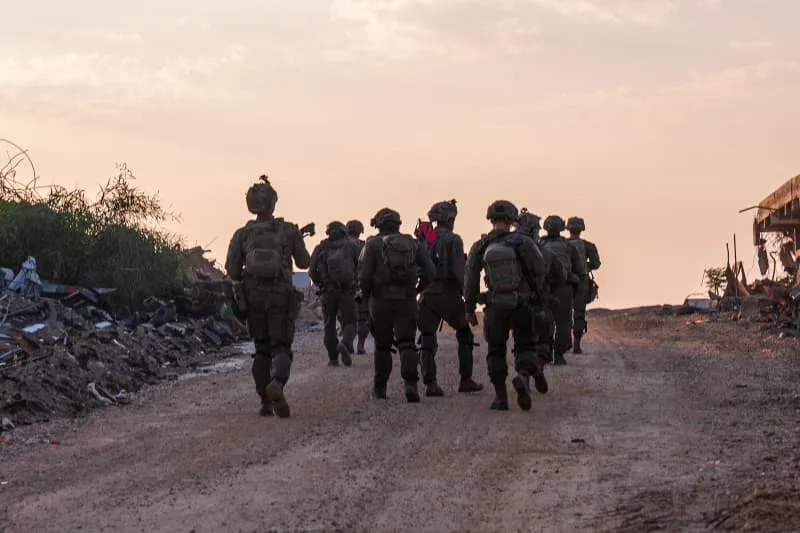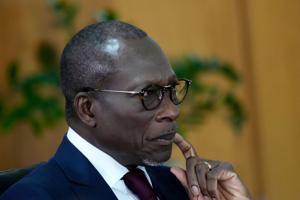
Benin’s President Patrice Talon publicly condemned an attempted coup that was thwarted by the nation’s military on December 7, 2025. His remarks followed reports of sporadic gunfire in parts of the administrative capital, Cotonou, as a group of soldiers attempted to seize power. This incident marks the latest in a series of military upheavals across West Africa.
Early on Sunday, a faction calling itself the Military Committee for Refoundation appeared on state television, declaring the dissolution of the government. Interior Minister Alassane Seidou later confirmed in a Facebook video that the coup had been “foiled.” During a televised address, Talon expressed his condolences to the victims of the attempted takeover and reassured families of individuals still held by the fleeing mutineers, stating, “We will do everything in our power to find them safe and sound.”
This coup attempt adds to a troubling trend of military coups in the region. Just last month, a coup in Guinea-Bissau ousted former President Umaro Embalo following a contested election. Talon did not provide specific information regarding the casualties or hostages involved in the latest incident.
In response to the unrest, the Economic Community of West African States (ECOWAS) announced the deployment of troops from Nigeria, Sierra Leone, Ivory Coast, and Ghana to assist Benin’s military in maintaining constitutional order. ECOWAS characterized the attempted coup as “a subversion of the will of the people of Benin.”
Nigerian President Bola Tinubu praised the Nigerian armed forces for their role in stabilizing the situation. According to government spokesperson Bayo Onanuga, Benin’s government had requested both air and ground support, which arrived after several hours of coordination. “The government’s loyal forces, assisted by Nigeria, took control and flushed out the coup plotters from the National TV,” Onanuga stated.
Local reports indicate that 13 soldiers involved in the coup were arrested, although it remains unclear if the coup leader, Lt. Col. Pascal Tigri, has been captured. Gunfire was noted in some areas of Cotonou, but the city has generally remained calm since the coup attempt was made public. The Military Committee for Refoundation had previously asserted that Tigri was appointed as the president of their committee.
Benin has a history of political instability with multiple coups since gaining independence from France in 1960. However, the country has enjoyed relative stability since 1991, following the two-decade rule of Marxist-Leninist Mathieu Kérékou. Talon, who has been in power since 2016, is set to step down in April 2026 after the upcoming presidential election. His party’s candidate, Romuald Wadagni, is currently viewed as the front-runner, while opposition candidate Renaud Agbodjo was disqualified by the electoral commission due to insufficient sponsorship.
This latest coup attempt highlights the fragile political landscape in West Africa, where military influence continues to pose significant risks to democracy and governance. In January, two associates of Talon were sentenced to 20 years in prison for their alleged involvement in a coup plot, further underscoring the ongoing tensions within Benin’s political sphere.