The ongoing cuts to health care programs in the United States are raising alarm bells among child advocates and health professionals. These reductions, particularly in Medicaid and the Children’s Health Insurance Program, threaten to leave millions of children without essential medical care. The implications of these policies are dire, with stories emerging of families forced to make heartbreaking choices about their children’s health.
Sara Pendleton, an adoptive and foster parent from Biloxi, Mississippi, describes a distressing scenario: a child falling ill while the family grapples with the consequences of losing health insurance. With rising costs and reduced coverage, parents may hesitate to seek medical help, fearing they cannot afford it. Pendleton has witnessed firsthand how such decisions can lead to severe health complications for children, who may ultimately require emergency care when their conditions worsen.
According to health nonprofit KFF, millions of children have already faced coverage losses. Between March 2023 and August 2025, approximately 15 percent of child enrollees lost their Medicaid coverage, translating to over six million children. States like Montana experienced even more significant reductions, with 31 percent of their child enrollees losing coverage. Further cuts are anticipated as the Trump administration’s policies continue to unfold.
The end of enhanced Affordable Care Act subsidies implemented in 2021 is poised to exacerbate the crisis. Experts from Georgetown University estimate that at least an additional half a million children will lose their marketplace coverage. As Congress prepares to vote on extending these subsidies, many are skeptical about their passage, which would further jeopardize children’s access to health care.
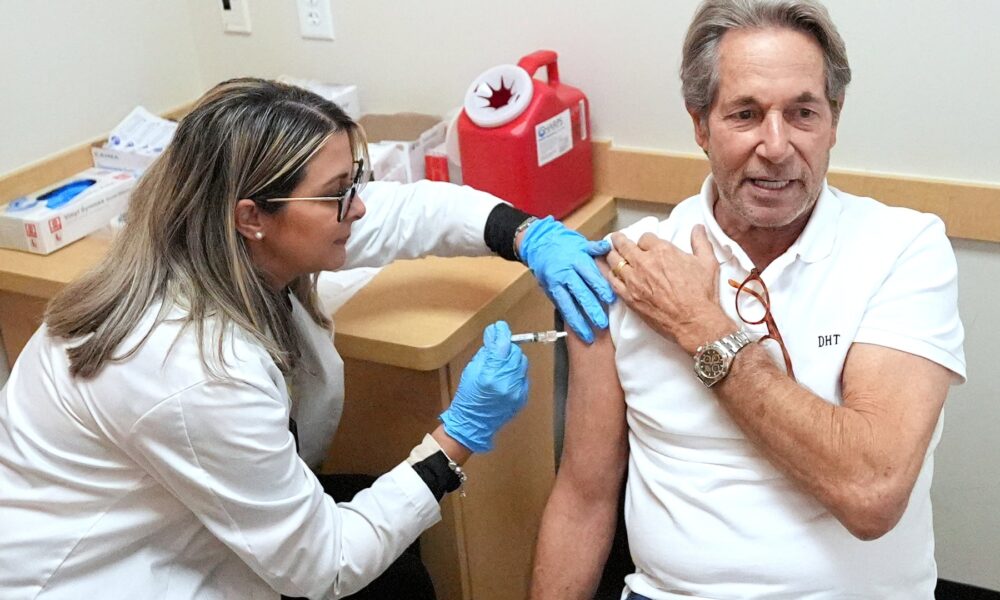
The ramifications of these funding cuts extend beyond insurance loss. Health and Human Services Secretary Robert F. Kennedy Jr.’s campaign against vaccinations has contributed to declining immunization rates nationwide. Recently, the Centers for Disease Control and Prevention removed the recommendation for newborns to receive the hepatitis B vaccine, a critical measure to prevent severe illness and death in infants.
In addition to the loss of coverage, many community hospitals are struggling financially and are forced to reduce or eliminate pediatric services. In November, officials at Santa Rosa Memorial Hospital in California announced the closure of their inpatient pediatric ward, which serves as a crucial care unit for the region. Similarly, Connecticut Children’s Hospital has closed its pediatric unit at St. Mary’s Hospital in Waterbury, citing financial pressures as the driving force.
As these cuts take effect, charitable organizations that help families manage medical expenses are experiencing increased demand for assistance. Reports indicate that the ongoing policies will have a lasting impact on children’s health, with potential long-term consequences for future generations.
Senator Ron Wyden (D-OR) has expressed concerns about the broader implications of these cuts. He stated that Republican policies are undermining essential support systems, such as food assistance and education, which are vital for children’s well-being. “Despite promises to the contrary, Trump’s agenda is going to leave kids in America sicker, hungrier, and less safe,” Wyden remarked, emphasizing the potential for lasting harm.
GOP lawmakers, including Donald Trump and House Speaker Mike Johnson (R-LA), have attempted to frame health care cuts as necessary measures to eliminate fraud and abuse. However, many health professionals and advocates argue that these claims do not reflect the realities faced by families. Pediatricians warn that losing access to health care can lead to delayed diagnoses and untreated conditions, further jeopardizing children’s health outcomes.
Dr. Katherine Peeler, a pediatrician and assistant professor at Harvard Medical School, emphasizes the long-term risks associated with insufficient medical care. “Children who lack access to a pediatrician are at risk of having their development go unmonitored, leading to late diagnoses and unnecessary suffering,” she stated.
The struggles faced by families and health care providers highlight a troubling trend: policies are forcing more children into the foster care system while increasing the risk of preventable health issues. Dr. Ryan Jolly, a nurse practitioner and foster parent, shared her concerns about the impact of funding cuts on her practice and her own children. The uncertainty surrounding future Medicaid funding leaves her family facing difficult decisions regarding necessary care.
As families contend with rising health insurance costs—Pendleton noted her premium increased significantly—there is a growing sense of urgency among advocates for children’s health. December 10 marks Human Rights Day, a reminder of the universal right to medical care as outlined in the Universal Declaration of Human Rights. Yet, the United States has yet to fulfill this promise for its children.
As these policies continue to unfold, the consequences for America’s children are becoming increasingly clear. Advocates warn that without urgent action, the health and safety of countless children will be compromised, leading to tragic outcomes that could reverberate for generations.