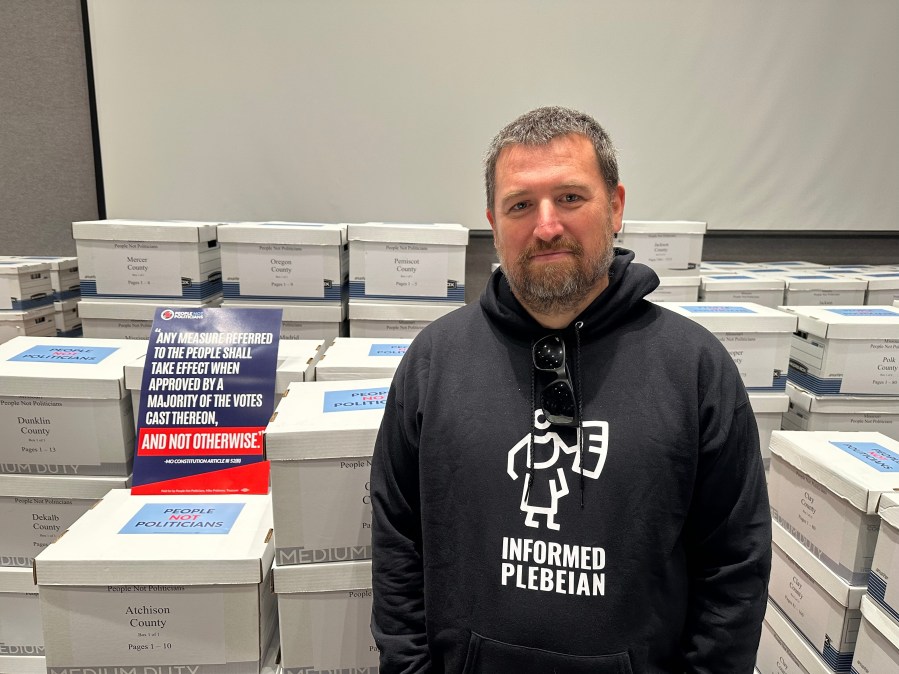
Efforts to challenge a controversial congressional redistricting plan in Missouri are gaining momentum. On Tuesday, opponents submitted thousands of petition signatures to push for a statewide referendum. The plan, which has the backing of former President Donald Trump, is seen as critical for maintaining a slim Republican majority in the upcoming elections.
The petition drive, organized by local activists, aims to give voters a say in the redistricting process. According to reports from the Associated Press, the signatures were collected over a period of several weeks, reflecting significant public interest and concern regarding the new congressional map. Organizers assert that the redistricting plan could unfairly influence the political landscape in Missouri.
Public Response and Political Implications
Opponents argue that the redistricting plan is designed to favor certain political interests over others. This is particularly relevant as the November 2024 elections approach, where every congressional seat will be contested. The petitioners believe that a public vote will shed light on the implications of the new map and hold lawmakers accountable for their decisions.
In response to the petition, state officials have acknowledged the submission and are currently reviewing the signatures to determine if they meet the necessary requirements for a public vote. If validated, the referendum could take place in conjunction with the upcoming elections, providing a platform for voters to express their views on the redistricting process.
The significance of this initiative extends beyond Missouri. It reflects a broader trend seen across the United States, where redistricting has become a contentious issue that can shape political power dynamics. Critics of the current plan argue that it undermines democratic principles by manipulating district boundaries to favor one party.
With the petition now in the hands of state officials, the outcome could have lasting effects on Missouri’s political landscape. Activists remain hopeful that a public vote will not only challenge the current redistricting plan but also encourage greater civic engagement in the political process.
As the situation develops, all eyes will be on Missouri, where the intersection of redistricting and electoral politics continues to unfold. The outcome of this petition could signal a significant shift in how political representation is determined in the state, drawing attention from both local and national observers.