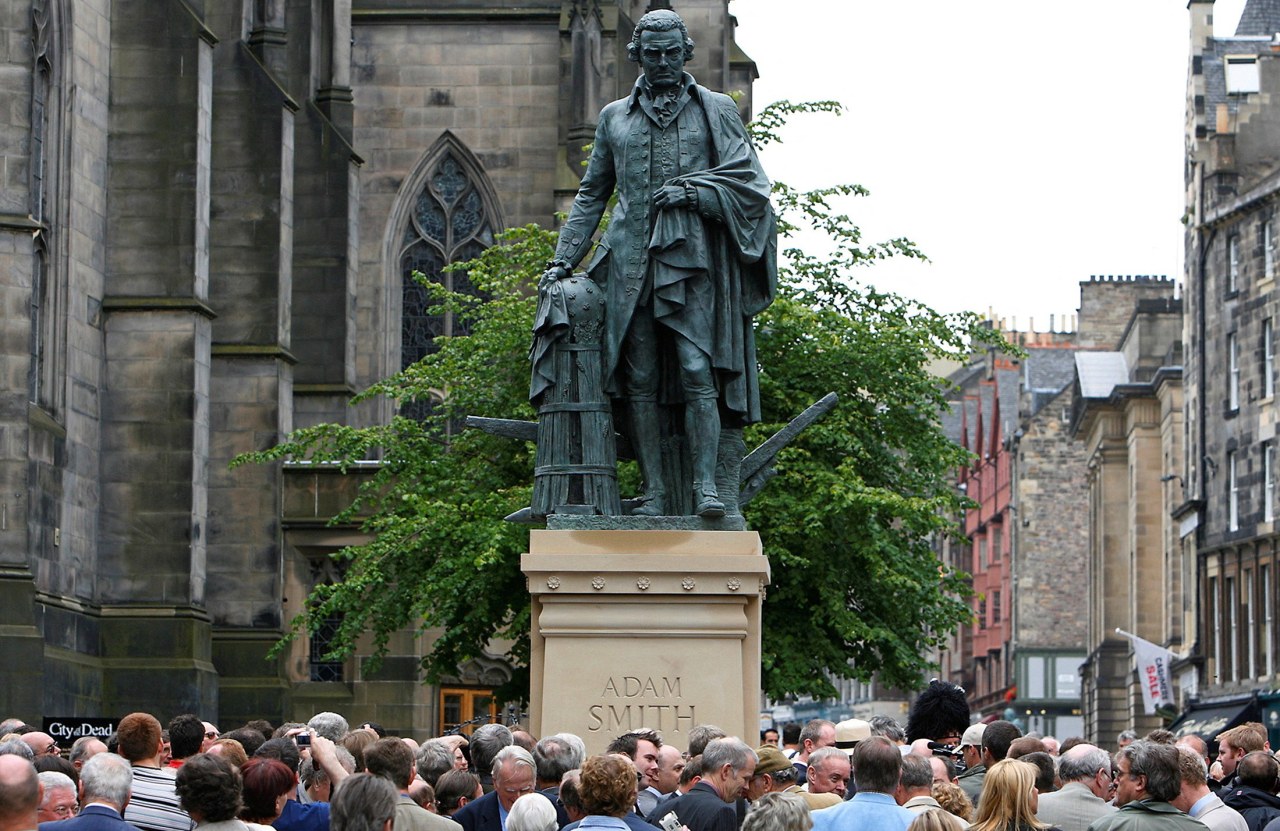
The notion of a new Scottish Enlightenment is gaining traction as contemporary thinkers engage in discussions on innovation and intellectual growth. Fraser Nelson has responded to viewpoints expressed by Barton Swaim and Allan Massie, emphasizing the potential for a revival of the spirit that characterized Scotland in the 18th century. This revival could have significant implications for Scotland’s cultural and economic landscape.
The original Scottish Enlightenment, which flourished in the 1700s, was marked by remarkable advancements in philosophy, science, and the arts. Key figures such as David Hume and Adam Smith pioneered new ways of thinking that influenced not only Scotland but also the wider world. Nelson suggests that a similar intellectual movement could emerge, fueled by modern challenges and opportunities.
Nelson highlights the importance of fostering an environment conducive to fresh ideas and perspectives. He argues that the current educational framework in Scotland should evolve to support creative thinking and innovation. By encouraging collaboration between disciplines, Scotland could position itself as a hub for new ideas in the 21st century.
As debates continue, Swaim and Massie have raised concerns regarding the feasibility of such an intellectual renaissance. They question whether the same conditions that led to the original Enlightenment can be replicated today. Nelson counters this skepticism by pointing to the advancements in technology and communication that have transformed how ideas are shared and developed.
The potential for a renewed Scottish Enlightenment hinges on the willingness of individuals and institutions to embrace change. Nelson calls for a collective effort to reinvigorate Scotland’s intellectual landscape by promoting critical thinking and interdisciplinary collaboration. He believes that the country’s rich history can serve as a foundation for future growth.
In conclusion, the idea of a new Scottish Enlightenment is not merely a nostalgic dream; it represents a call to action for current and future generations. By drawing on the lessons of the past while leveraging modern advancements, Scotland can pave the way for a vibrant intellectual future. The discussions initiated by thinkers like Fraser Nelson are crucial as the nation contemplates its path forward in an increasingly complex world.