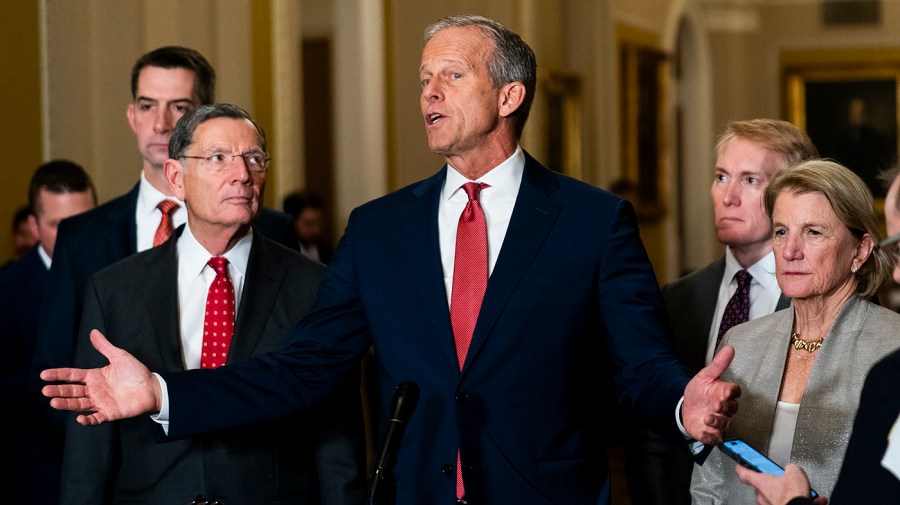
The United States Senate is poised to vote on a significant health care proposal this Thursday, March 7, 2024. The Republican plan seeks to replace enhanced health insurance subsidies currently offered under the Affordable Care Act with health savings accounts (HSAs). These HSAs would receive federal contributions, aimed at helping individuals cover out-of-pocket health expenses.
Senate Majority Leader John Thune (R-S.D.) confirmed the vote schedule on Tuesday. The proposed legislation represents a shift in health care funding, emphasizing personal savings accounts rather than direct subsidies. This change aligns with the Republican Party’s long-standing goal of promoting individual responsibility in health care financing.
In addition to the Republican plan, the Senate is also set to consider a proposal from the Democratic Party. This alternative aims to extend the existing subsidies under the Affordable Care Act. The contrasting approaches highlight the ongoing debate over health care policy in the United States, reflecting broader ideological divides between the two major parties.
Proponents of the Republican plan argue that health savings accounts empower individuals to make their own health care decisions. They emphasize that this approach can lead to more cost-effective spending on medical services. Conversely, critics warn that shifting away from subsidies could leave vulnerable populations without adequate coverage and increase overall health care costs for many Americans.
The vote on Thursday is expected to be closely contested, with both parties rallying support from their respective members. This legislative decision could have significant implications for millions of Americans, particularly those who rely on the subsidies provided under the Affordable Care Act for their health insurance needs.
As discussions progress, stakeholders from various sectors, including healthcare providers and insurance companies, are closely monitoring the situation. Their responses will likely shape the public discourse surrounding health care policy in the lead-up to the vote.
The outcome of this Senate vote will not only determine the future of health care funding in the United States but could also set the stage for future legislative battles as the nation grapples with its health care challenges.