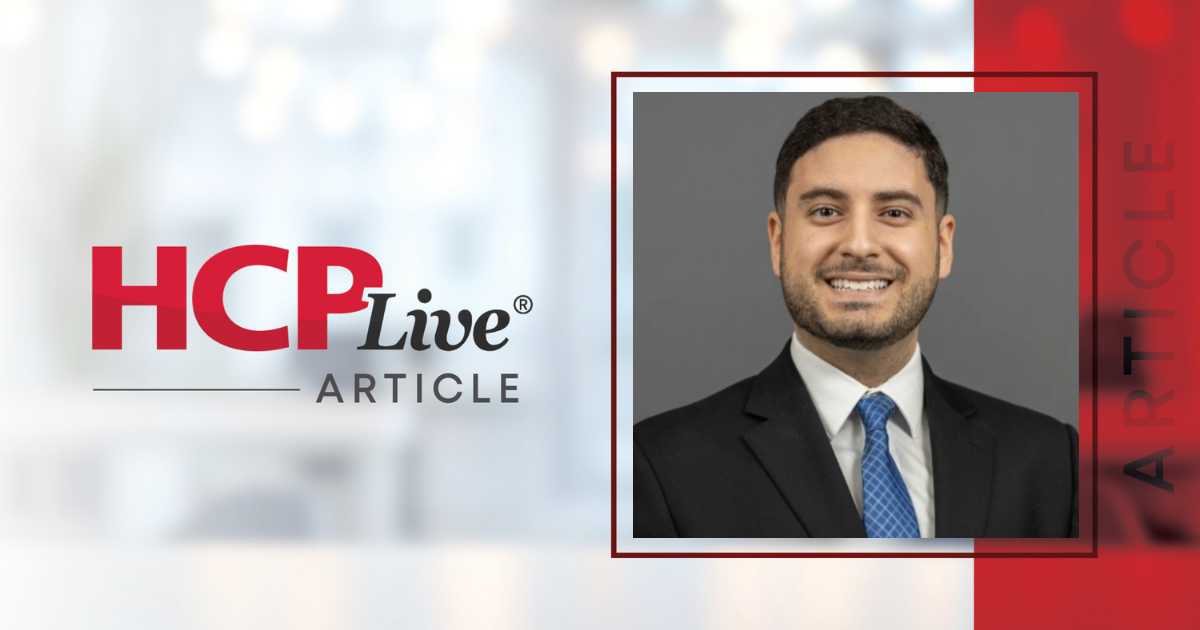
Recent findings indicate that prescriber incentives significantly influenced the use of nicotine replacement therapy (NRT) at discharge from hospitals. This development was highlighted by Taylor Fewox, PharmD, a PGY-2 psychiatry pharmacy resident at the Medical University of South Carolina, during the 2025 meeting of the American Society of Health-System Pharmacists (ASHP). Following the implementation of these incentives, the rate of NRT prescriptions increased, although there were discrepancies between the therapies prescribed at discharge and those utilized by patients during their hospital stay.
The initiative was born out of an assessment conducted a few years prior, which revealed inadequate NRT prescribing patterns within the psychiatry division of the healthcare system. Fewox explained that the team sought to rectify this by ensuring they prescribed the most appropriate therapies for patients aiming to quit smoking.
Impact of Prescriber Incentives
After the introduction of prescriber incentives, the team observed a notable uptick in NRT prescriptions, particularly in the use of nicotine patches. Despite the overall increase, Fewox cautioned that some of these prescriptions did not align with the NRT therapies that patients were already using while hospitalized. This mismatch underscored the importance of tailoring discharge medications to the individual needs of patients.
The implementation of an indigent fund further enhanced access to NRT therapies for patients, allowing more individuals to receive the necessary support for smoking cessation. “This played a huge role in getting the medications to our patients,” Fewox noted. “If they wanted to quit smoking or work on that journey for themselves, we provided a critical avenue for them.”
Lessons for Healthcare Systems
Fewox emphasized the necessity for interdisciplinary collaboration in improving NRT prescribing and tobacco cessation outcomes. The initiative involved not only pharmacists but also psychiatrists, nurses, and tobacco cessation specialists working together to support patients in their quitting journey. This holistic approach ensures that healthcare providers have the best tools and resources available to assist patients in achieving their goals.
Looking ahead, Fewox and her team plan to refine their processes further. They aim to incorporate motivational interviewing techniques to better understand patients’ readiness to quit smoking and their needs for additional resources at discharge. This initiative underscores a commitment to fostering a supportive environment for patients navigating their cessation journey.
In summary, the introduction of prescriber incentives at the Medical University of South Carolina has led to increased use of nicotine replacement therapy at discharge, demonstrating the impact of targeted interventions on patient care. As healthcare systems continue to evolve, the lessons learned from this evaluation can guide future efforts to enhance smoking cessation support for patients.