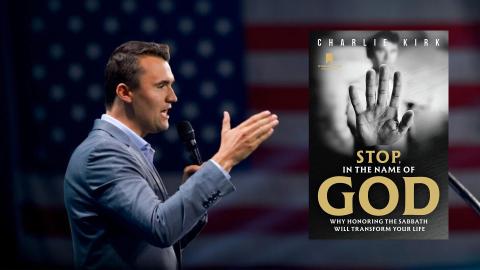
Charlie Kirk’s posthumously published book, titled Stop in the Name of God, explores the transformative significance of observing the Sabbath. Kirk, a prominent conservative activist and founder of Turning Point USA, passed away recently, leaving behind a profound message about the need for rest and spiritual reflection in today’s fast-paced world.
Lessons from the Sabbath
According to Kirk’s pastor, Rob McCoy, Kirk was deeply enthusiastic about the book’s release. McCoy recalls a trip to Korea, where Kirk finalized the manuscript, describing the moment as a pivotal point in his life. The pastor noted that Kirk’s travels, particularly to Israel, profoundly impacted his understanding of the Sabbath, or Shabbat, and its importance in fostering a balanced life.
During a time of personal stress and overwhelming responsibilities, Kirk reached out to fellow pastor David Engelhart, who advised him to consider taking a Sabbath. This suggestion led Kirk to a deeper exploration of the biblical commandment to keep the Sabbath holy. Micha’el Ben-David, a Messianic Jew residing in Galilee, emphasized that Shabbat represents a vital spiritual practice, highlighting its roots in Genesis and its significance as the fourth commandment.
A Tradition of Rest and Reflection
In Israel, the observance of Shabbat entails a cessation of daily activities from sundown on Friday until sundown on Saturday. Families, such as the Ben-Davids, prepare special meals, light candles, and bless bread and wine. Ben-David described the approach to Shabbat as one filled with holiness and reverence, stating, “You acknowledge that God is our provider.”
Kirk’s journey into understanding the Sabbath led him to prioritize family time, a critical aspect of this holy day. McCoy explained that Kirk would turn off his phone and spend quality moments with his loved ones. This shift allowed him to escape the burdens of a busy life, which he recognized was detrimental to his health and relationships.
Ben-David illustrated the emotional and spiritual rituals of Shabbat, including prayers for family members and blessings for children. He stated, “It’s a beautiful thing,” highlighting the communal and familial bonds strengthened during this time. The observance of Shabbat is designed not only for worship but also for rest, with prohibitions on work, driving, and electronics.
As Kirk reflected on his experiences, he recognized the need for a structured approach to rest. He noted on his Turning Point USA podcast shortly before his passing, “If you are feeling overrun by society, might be feeling depressed or anxious, here is one way you might be able to improve: turn your phone off for one day – no content, no social media, no work. Your mental health will improve dramatically.”
McCoy emphasized that Kirk’s transformation was rooted in understanding the Sabbath as a gift rather than a burden. He observed, “He saw Sabbath for the man, not man for the Sabbath.” This perspective allowed Kirk to embrace the practice as a means to focus on God and family while escaping the overwhelming demands of modern life.
The release of Stop in the Name of God stands as a testament to Kirk’s journey and his belief in the restorative power of the Sabbath. His insights resonate with anyone seeking a reprieve from the relentless pace of contemporary living, underscoring a universal message about the importance of rest and reflection.