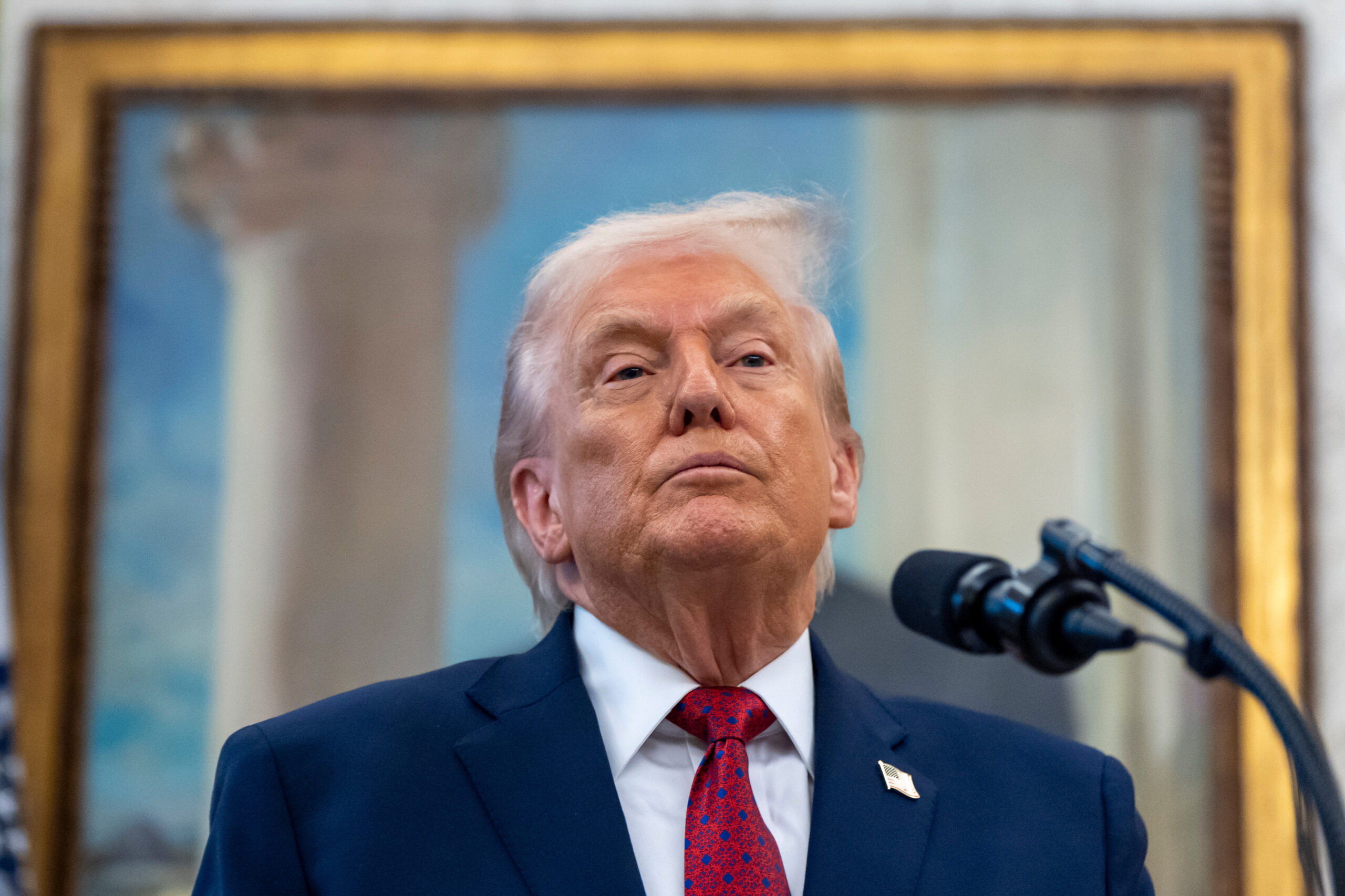
Former U.S. President Donald Trump has formally classified fentanyl as a weapon of mass destruction. This significant declaration, made during a press conference on October 15, 2023, has the potential to profoundly affect U.S. policy concerning drug trafficking, particularly in relation to China, the primary source of this synthetic opioid.
The classification of fentanyl as a weapon of mass destruction underscores the urgency surrounding the opioid crisis in the United States. In recent years, fentanyl has been linked to a dramatic rise in overdose deaths, with over 70,000 fatalities attributed to synthetic opioids in 2022 alone, according to the Centers for Disease Control and Prevention (CDC). By framing the issue in such stark terms, Trump aims to galvanize public attention and political action against the drug epidemic.
Implications for U.S.-China Relations
This declaration could lead to intensified scrutiny of trade relations with China, particularly regarding the exportation of fentanyl and its precursors. The Trump administration has long criticized China’s role in the proliferation of this drug, which has devastated communities across the U.S. With this new classification, policymakers may push for tougher sanctions or increased diplomatic pressure on Beijing to curb the production and export of fentanyl.
The potential economic ramifications are significant, as U.S. import policies could shift dramatically. Experts warn that a stringent approach could disrupt various trade agreements, affecting industries beyond pharmaceuticals. A trade war over drug trafficking might also escalate tensions between the two nations, complicating efforts to address mutual concerns such as trade imbalances and intellectual property theft.
Military and Security Considerations
In addition to economic implications, Trump’s designation could influence military strategy in the Western Hemisphere. The administration might consider increasing military assets and operations aimed at combating drug trafficking networks that operate through Latin America and the Caribbean. By framing the fight against fentanyl as a national security issue, there may be a push for increased funding and resources allocated to law enforcement and military initiatives targeting drug cartels.
This approach aligns with Trump’s broader agenda of prioritizing national security and public safety. The characterization of fentanyl as a weapon of mass destruction could provide justification for expanded military operations abroad, potentially reshaping U.S. involvement in regional stability efforts.
As the Trump administration prepares to implement this new policy, the response from both domestic and international stakeholders will be critical. Public health advocates are likely to voice concerns about the potential for militarized responses to drug addiction, while law enforcement agencies may welcome additional resources to combat trafficking.
Overall, Trump’s declaration marks a pivotal moment in the ongoing battle against fentanyl and reflects the growing recognition of its devastating impact on American society. The coming weeks and months will reveal how this designation will translate into actionable policies and what consequences it may have for U.S. relations with China and security strategies in the Western Hemisphere.