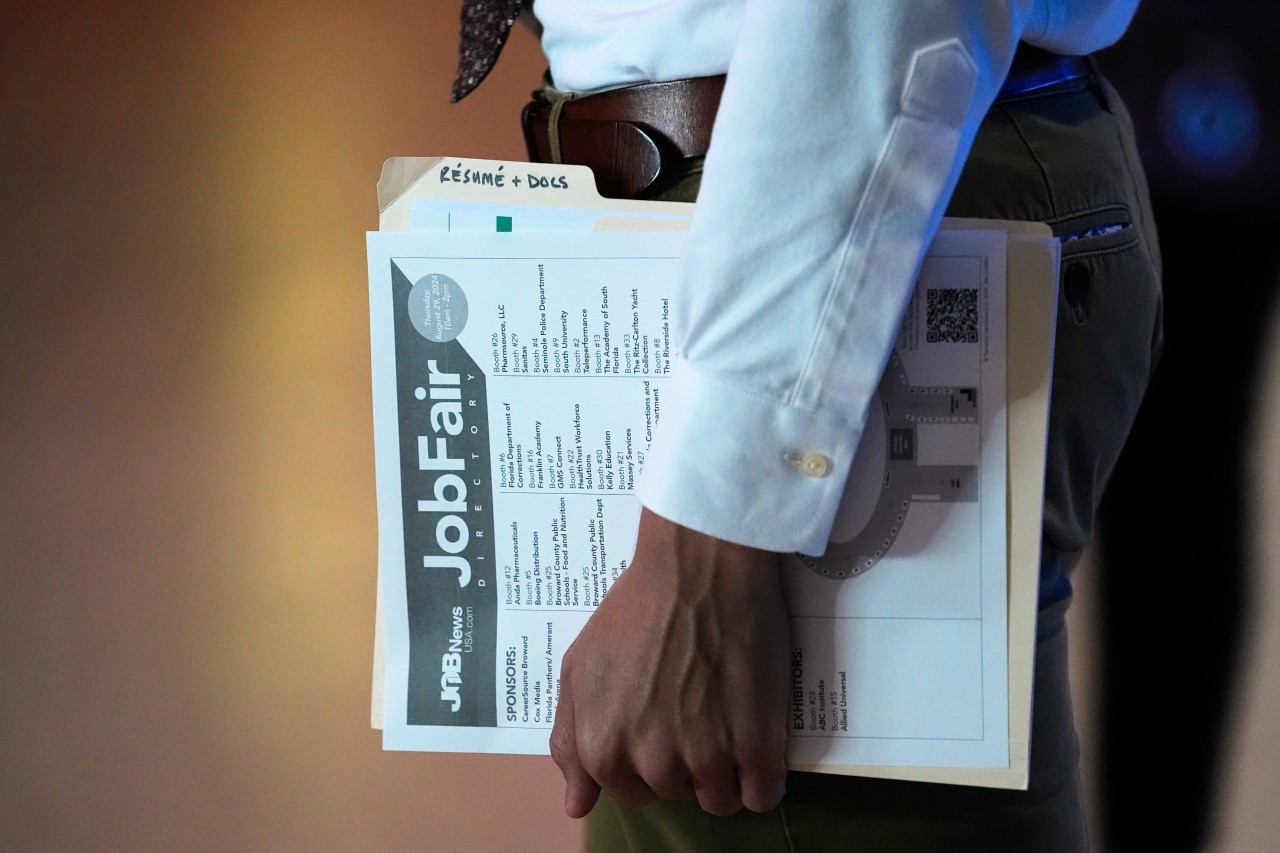
The jobless rate in the United States has begun to rise during the administration of former President Donald Trump, reflecting trends seen in prior political contexts. Recent data indicates that the unemployment rate has increased, leading to discussions among economists and analysts about the potential implications for the economy and the upcoming elections.
The Wall Street Journal reported in its latest Politics newsletter that historical precedents of rising unemployment rates often correlate with economic downturns, an issue that may impact public perception of Trump’s leadership. As the job market faces these challenges, the political landscape is also shifting, with various figures emerging to fill key roles.
Emerging Political Figures and Economic Implications
In light of these developments, Susie Wiles, a prominent political strategist, has made headlines by re-emerging in the political sphere. Wiles’ involvement could indicate potential shifts in campaign strategies as the pressure mounts on the Trump administration to address economic concerns effectively.
Additionally, there are discussions about a new candidate for the Federal Reserve, which may further influence monetary policy during this critical period. The selection of a new Federal Reserve official often carries significant weight in shaping economic forecasts and responses to rising unemployment.
Pentagon’s Stance on Recent Events
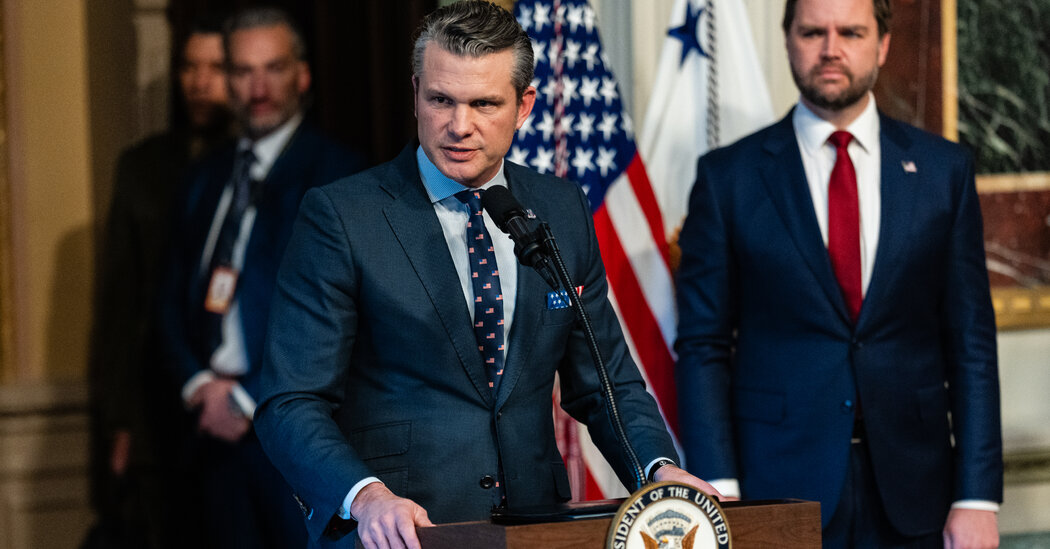
In another significant development, Pete Hegseth, a well-known media personality, stated that the Pentagon will not release the video footage from the September 2 boat strike incident. This decision has raised questions regarding transparency and accountability in military operations, particularly in the context of public scrutiny over defense policies.
As the economic landscape continues to evolve, the interplay between rising unemployment, political maneuvering, and military transparency remains crucial for voters. Observers are closely watching how these factors will shape the narrative leading up to the next election cycle, as they could have lasting impacts on both domestic policy and international relations.