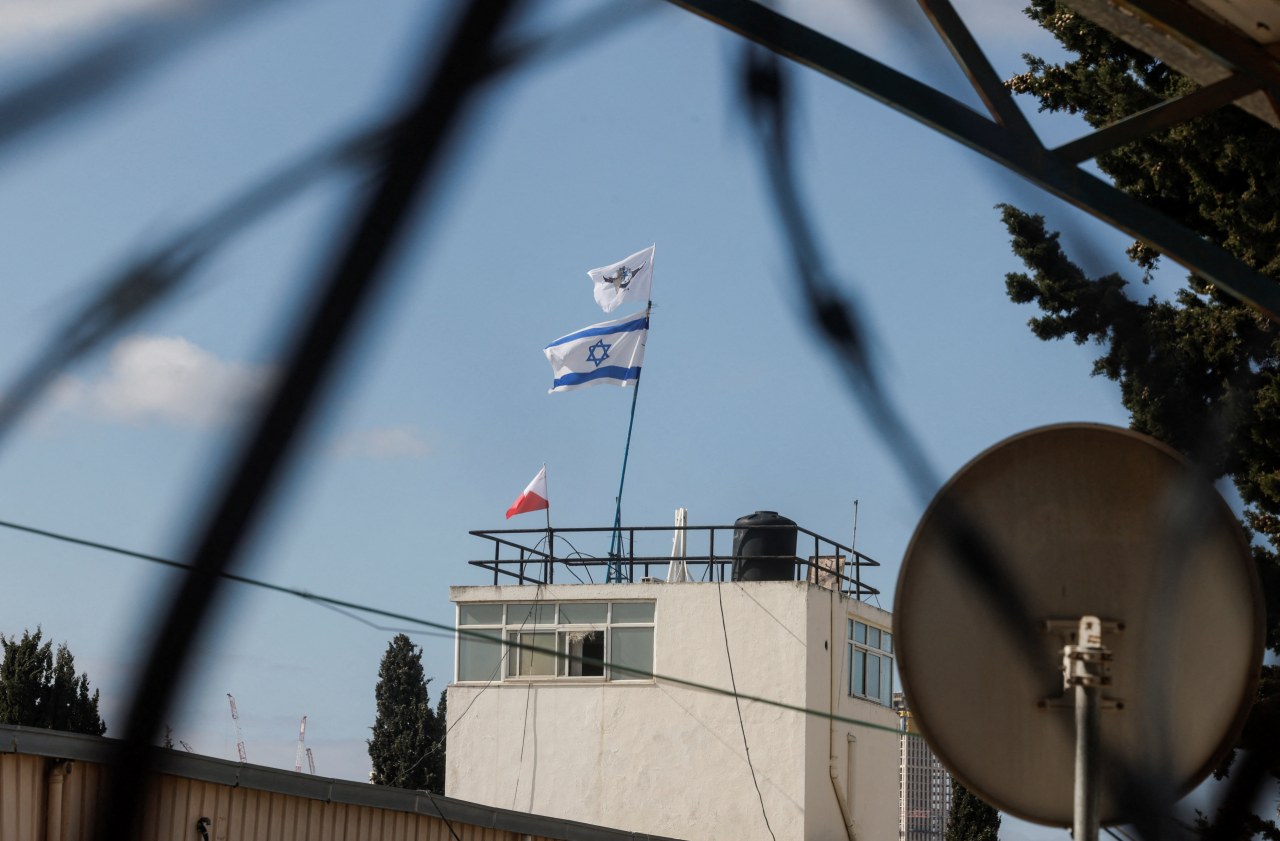
Recent protests at Bondi Beach in Australia have ignited significant concern over rising antisemitism, following calls to “globalize the Intifada.” The phrase has been associated with violent demonstrations and a surge in antisemitic rhetoric. Activists who previously criticized Zionists and expressed support for Hamas now find themselves facing backlash for their apparent endorsement of violence.
The protests, which took place on October 7, 2023, coincided with the onset of renewed conflict in the Middle East. Demonstrators gathered in various locations, including Bondi Beach, expressing solidarity with Palestinian causes. However, some participants have been accused of promoting antisemitic sentiments, drawing sharp criticism from multiple sectors of society.
Reports indicate that the demonstrations have led to an increase in antisemitic incidents across Australia. According to the Executive Council of Australian Jewry, there has been a marked rise in hate speech and violent acts targeting Jewish individuals and communities. The council recorded over 400 antisemitic incidents in 2022, a figure that is expected to rise sharply this year.
Activists on both sides of the debate have reacted strongly to the unfolding events. Many leftist groups that have historically aligned with Palestinian rights are now facing scrutiny for their rhetoric. Critics argue that their language has contributed to a climate of intolerance. Leaders from various Jewish organizations have condemned the protests, emphasizing the need for dialogue rather than division.
As tensions escalate, the Australian government has announced plans to strengthen laws against hate speech. Prime Minister Anthony Albanese stated, “We must ensure that our communities remain safe and free from the scourge of hatred.” His remarks reflect a growing consensus that addressing rising antisemitism should be a national priority.
Internationally, the events at Bondi Beach have sparked discussions about the broader implications of political activism on social cohesion. Observers note that the situation mirrors similar conflicts in other countries, where expressions of solidarity with one group have resulted in hostility towards another. The challenge lies in balancing the right to protest with the imperative to foster a respectful dialogue.
The recent events serve as a stark reminder of the complexities surrounding political expression and identity. As Australia grapples with these challenges, the hope remains that constructive conversations can pave the way for reconciliation rather than further division.
In the wake of the Bondi protests, many are calling for introspection within activist circles. The question arises: how can movements advocating for justice do so without alienating others? The answer may lie in fostering understanding and empathy, rather than perpetuating cycles of violence and hate.