A Chinese man, Guan Heng, faces the possibility of deportation from the United States after seeking asylum based on footage he recorded in China’s Xinjiang region, where reports indicate widespread detentions. Guan, who embarked on a perilous journey from the Bahamas in October 2021, reached Florida after a 23-hour boat ride, motivated by the fear of arrest for his activism.
Guan’s case is currently pending in immigration court, where he appeared via video link this week. His asylum hearing will resume on January 12, 2024. If his application is denied, he risks being deported to Uganda, a scenario supported by a lawyer from the Department of Homeland Security during a recent court session. The Supreme Court had previously upheld the legality of such third-country deportations in July.
This situation highlights ongoing tensions within U.S. immigration policy, particularly concerning asylum seekers from China. In a letter to Homeland Security Secretary Kristi Noem, Democratic Representative Raja Krishnamoorthi emphasized that Guan’s circumstances exemplify the need for asylum protections. The U.S. Immigration and Customs Enforcement (ICE) stated that Guan was apprehended while conducting a routine search, marking a complex intersection of immigration enforcement and human rights advocacy.
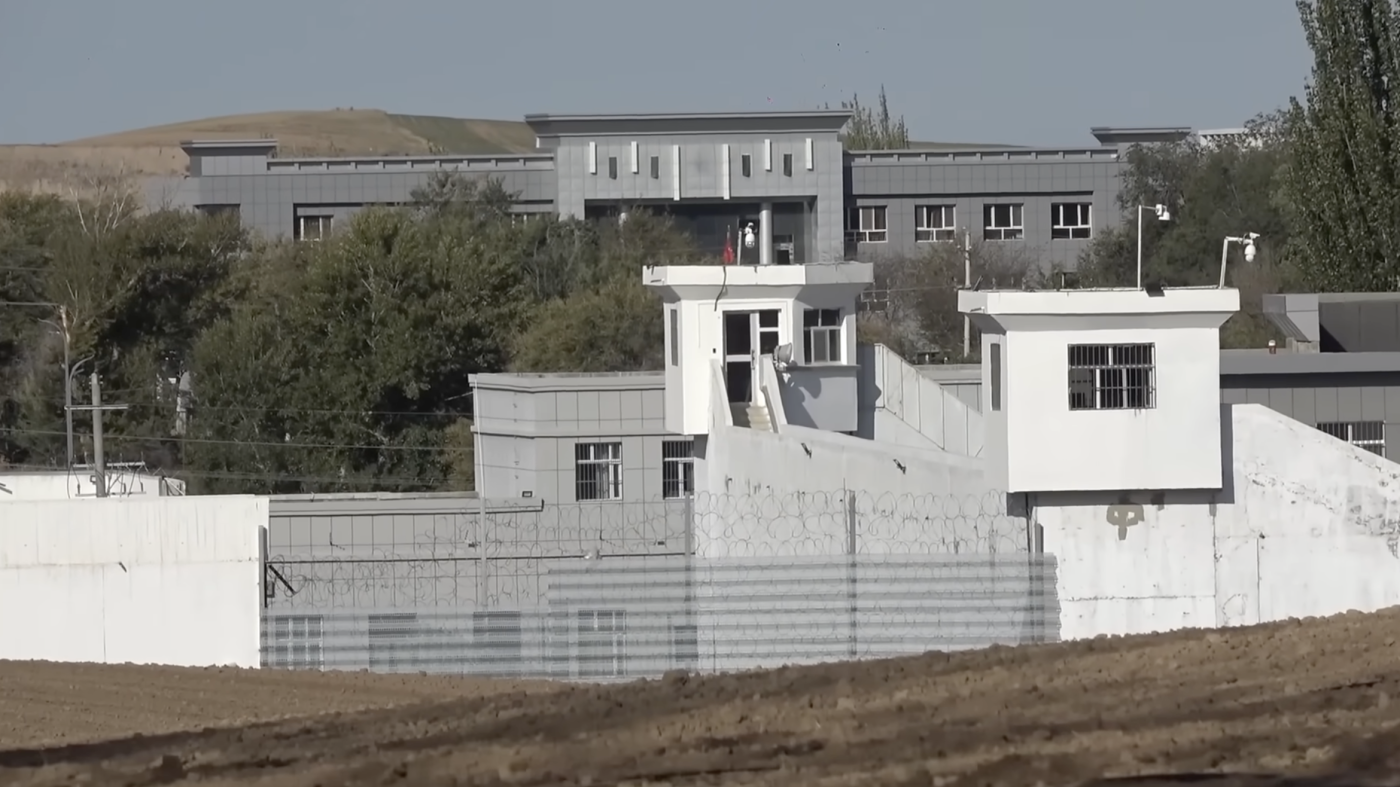
Guan first became aware of the situation in Xinjiang from international news reports in 2020 that detailed the extrajudicial detention of Uyghurs and other minorities. With a determination to document these human rights abuses, he traveled to Xinjiang, capturing hours of footage depicting alleged detention camps. Fearing repercussions if he published this material in China, he fled the country in July 2021, first traveling to Ecuador and then to the Bahamas. There, he purchased a small inflatable boat to reach the U.S.
Despite his difficult journey, Guan managed to secure a work permit in the U.S. and supported himself by driving for Uber and taking on various jobs. However, his life took a dramatic turn in August when ICE arrested him as part of a raid linked to his roommate. According to his lawyer, Chen Chuangchuang, Guan’s arrest was largely due to unfortunate timing rather than any wrongdoing on his part.
Guan’s case has garnered attention from human rights activists who argue that the U.S. government should recognize him as a whistleblower. His family in China has faced significant pressure since his departure. Luo Yun, Guan’s mother, who currently resides in Taiwan, reported that their family has been extensively interrogated since his escape. “There is not one family member of his who has been left unaffected and not investigated,” she stated, expressing concern for her son’s future.
The Chinese government has been aggressive in detaining individuals who they believe threaten national security, particularly those who leak information about conditions in Xinjiang. As Guan’s asylum case unfolds, it raises critical questions about the treatment of asylum seekers and the responsibilities of host nations to protect those fleeing persecution.