Anachronistic cinema takes audiences on imaginative journeys by deliberately bending historical timelines, creating a unique blend of storytelling and emotional resonance. This genre often abandons strict adherence to period accuracy, opting instead for a mix of styles and aesthetics that enhance the narrative. Here, we explore ten of the most compelling anachronistic films, each showcasing how such creative choices can elevate storytelling.
Moulin Rouge!
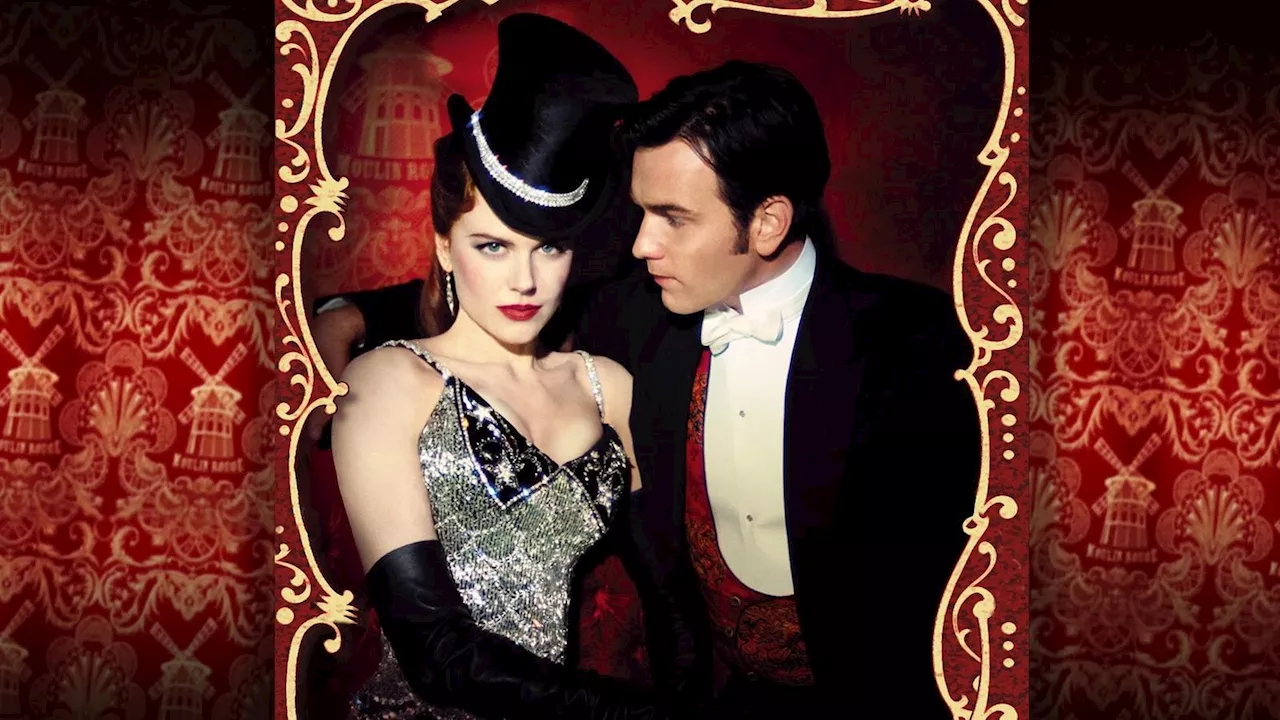
Moulin Rouge!, directed by Baz Luhrmann, is a vibrant musical set in 1899 Paris, infused with modern pop songs and energetic editing. The story revolves around Christian, a young poet in love with Satine, a courtesan at the famous cabaret. The film’s daring anachronism is evident as it features lyrics from Nirvana alongside traditional cancan performances, creating a dynamic atmosphere that amplifies the emotional stakes. The contemporary dialogue and eclectic costumes further blur the lines of time, drawing viewers into the melodrama with a sense of immediacy.
A Knight’s Tale
In A Knight’s Tale, Heath Ledger plays William Thatcher, a peasant who aspires to become a knight. The film opens with a crowd chanting “We Will Rock You,” setting a playful tone that embraces a fun, anachronistic philosophy. Blending medieval jousting with 2000s rock music, the film merges historical adventure with modern sensibilities. Its mix of classic rock anthems and stylized costumes highlights a whimsical take on history, allowing audiences to enjoy the story without the constraints of realism.
The Love Witch
Set in the present yet styled like a 1960s Technicolor thriller, The Love Witch follows Elaine, a witch searching for true love. Directed by Anna Biller, the film’s anachronistic choices are integral to its charm. From the period-inspired costumes to the vintage cinematography, it creates a surreal world where modern gender anxieties intertwine with retro cinematic fantasies. This unique aesthetic not only entertains but also comments on timeless themes of desire and loneliness.
The Green Knight
Based on a medieval poem, The Green Knight stars Dev Patel as Gawain, King Arthur’s nephew. The film presents a dreamlike interpretation of the Middle Ages, where anachronisms subtly enhance the atmosphere. The dialogue merges archaic language with modern themes of existential crisis and moral ambiguity. This blend allows Gawain’s journey to resonate with contemporary audiences, framing his quest as a reflection on self-worth rather than merely a knightly adventure.
Romeo + Juliet
Another notable adaptation by Baz Luhrmann, Romeo + Juliet sets Shakespeare’s classic tale of tragic romance in a modern, neon-soaked cityscape. The film juxtaposes Shakespearean dialogue with contemporary visuals, including car chases and gun battles. By infusing the story with modern music and settings, Luhrmann captures the raw emotional intensity of the original play, making its themes of love and violence accessible to a new generation.
The Great Gatsby
In The Great Gatsby, also directed by Baz Luhrmann, Leonardo DiCaprio portrays the enigmatic millionaire Gatsby, set against the backdrop of the Jazz Age. The film blends 1920s aesthetics with a modern soundtrack featuring hip-hop elements. Through rapid editing and exaggerated visual styles, it evokes the illusion of the American Dream while reminding viewers of its inherent fragility. This anachronistic approach brings the story’s themes into sharp focus, resonating with contemporary audiences.
Brick
Brick, directed by Rian Johnson, is a modern film noir set in a California high school. The protagonist, Brendan Frye, investigates his ex-girlfriend’s disappearance using a dialogue style reminiscent of 1940s detective films. The collision of eras transforms teenage dynamics into intense scenarios, making the mundane feel urgent. This linguistic anachronism emphasizes the film’s noir roots while grounding it in a relatable setting.
Marie Antoinette
Sofia Coppola’s Marie Antoinette reimagines the life of the French queen as a contemporary teenager facing the pressures of royal life. The film features deliberate anachronisms, such as modern sneakers paired with historical attire and a soundtrack filled with 1980s music. This approach highlights Marie’s internal struggles with isolation and identity, making her story resonate with today’s audiences while challenging the conventions of traditional period dramas.
The Princess Bride
A fairy tale that defies time and genre conventions, The Princess Bride incorporates a storytelling frame that allows for playful anachronisms. As characters navigate love and adventure, the mix of modern dialogue and diverse historical elements creates a timeless narrative. This self-aware approach not only entertains but also comments on fairy tale tropes, ensuring its enduring popularity among viewers.
The Favourite
Set in the court of Queen Anne, The Favourite, directed by Yorgos Lanthimos, presents a modern take on historical drama. The film explores the power dynamics between Lady Sarah Churchill and Abigail Masham, using contemporary dialogue and humor to highlight timeless themes of ambition and influence. The anachronistic elements enrich the narrative, making the political intrigue feel relevant to today’s audience while offering a fresh perspective on the past.
These ten films exemplify how anachronism can be a powerful storytelling tool, allowing filmmakers to explore complex themes while engaging viewers in unexpected ways. By blending styles and timelines, they create a cinematic experience that transcends historical boundaries and resonates with contemporary audiences.