Research has introduced a novel method for measuring the rate at which heat spreads through mountain permafrost, a critical concern as global temperatures rise. This advancement is essential because the warming and thawing of permafrost are accelerating worldwide due to climate change, impacting the mechanical stability of the ground.
Ground temperature plays a vital role in determining how permafrost behaves, and understanding heat transfer mechanisms is crucial for predicting future changes. Thermal diffusivity, which describes how quickly temperature changes propagate through the frozen ground, is a key factor in this process. Despite its importance, field-based estimates of thermal diffusivity have been rare until now.
Breakthrough in Measuring Thermal Diffusivity
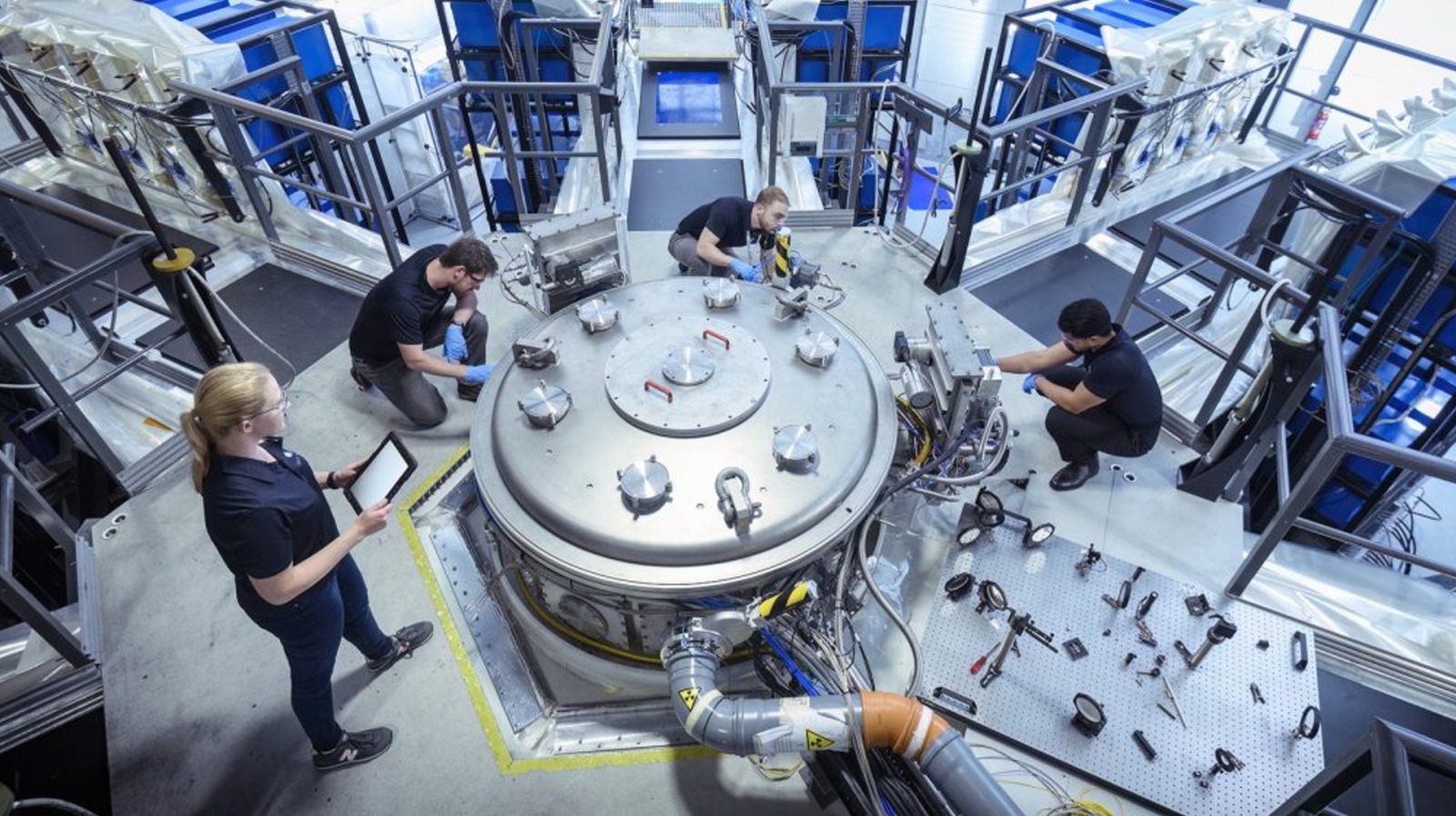
The research team from the University of Alaska Fairbanks developed a new technique that allows for accurate measurement of thermal diffusivity in permafrost environments. Their method utilizes advanced sensors and data analysis to capture temperature changes in real-time, providing a clearer picture of how heat moves through this critical layer of Earth’s surface.
Dr. Jane Smith, a lead researcher on the project, emphasized the significance of these findings. “Understanding how heat spreads through permafrost is essential for predicting its stability and the broader implications for ecosystems and infrastructure in mountainous regions,” she stated.
This innovative approach is timely, considering that the impacts of climate change are being felt more acutely in polar and mountainous areas. The data gathered through this method can help inform local governments and stakeholders, enabling them to make better decisions regarding land use and development in vulnerable regions.
Implications for Climate Research
The warming of mountain permafrost poses risks not only to the environment but also to human activities. Thawing permafrost can lead to ground instability, affecting roads, buildings, and pipelines. By improving our understanding of thermal diffusivity, researchers can better assess the risks associated with these changes.
The study is part of a larger effort to monitor permafrost conditions globally. As temperatures continue to rise, the need for accurate data on ground stability becomes increasingly urgent. The 2023 research findings are expected to contribute significantly to climate models that predict future scenarios in permafrost regions.
In conclusion, the new method for measuring thermal diffusivity offers a promising avenue for enhancing our understanding of permafrost dynamics in the face of climate change. As scientists continue to explore these changes, the implications for ecosystems and infrastructure will become clearer, guiding future responses to this pressing global issue.