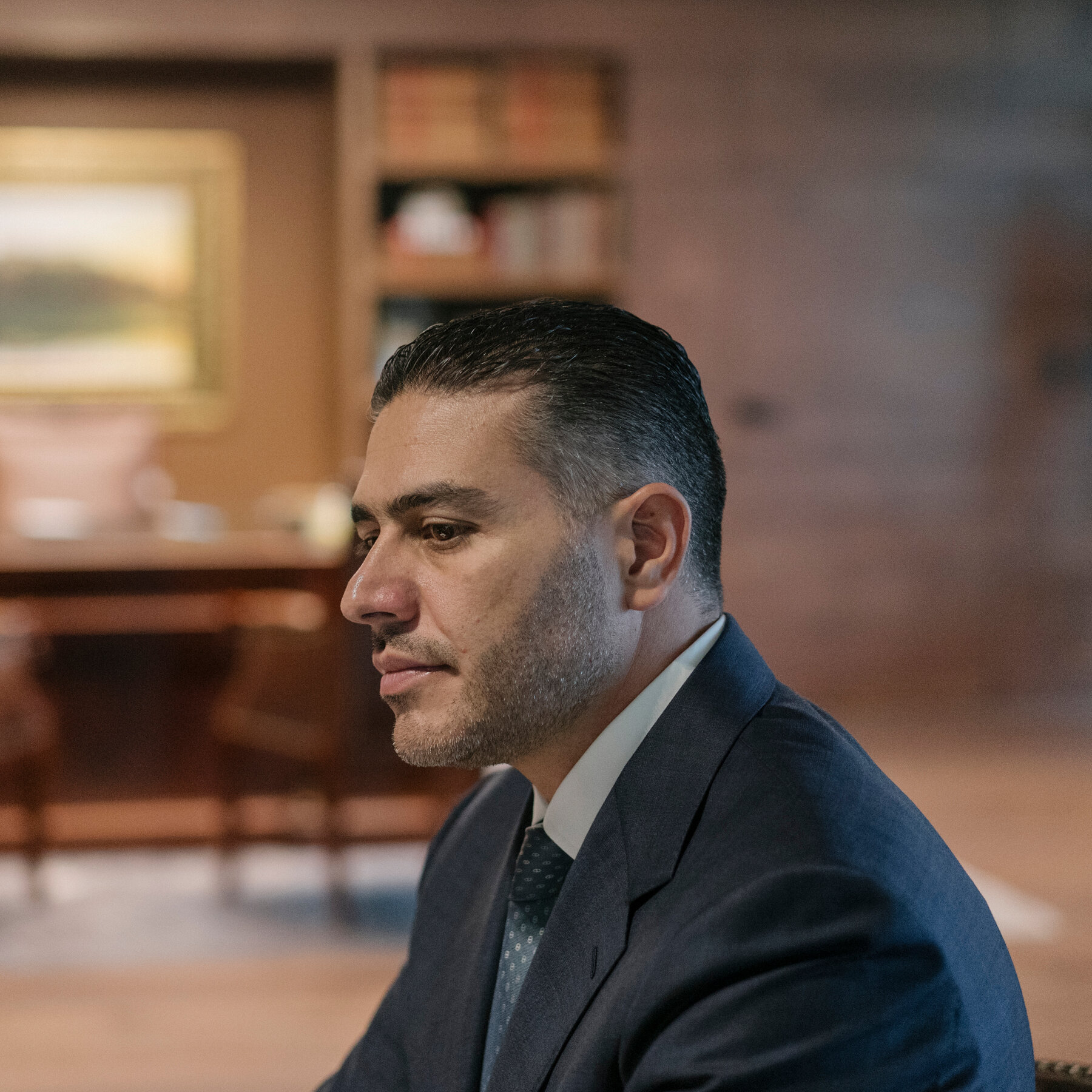
Omar García Harfuch, Mexico’s Secretary of Security, recently detailed his government’s strategies in combating drug cartels during an interview with The New York Times. His comments come as Mexico intensifies its offensive against organized crime, which has deeply affected public safety across the nation.
In the interview, García Harfuch emphasized the current administration’s commitment to dismantling the powerful cartels that have plagued Mexico for decades. He outlined a comprehensive approach that includes not only military force but also community engagement and intelligence-sharing with international partners such as the United States.
Strengthening Ties with the U.S.
García Harfuch noted that his relationship with the White House has evolved, particularly under the current administration. He expressed appreciation for the cooperation between U.S. and Mexican authorities, which he believes is essential in addressing cross-border crime. The collaboration includes sharing intelligence and resources, enhancing the ability to target cartel operations effectively.
The security chief highlighted several recent operations that led to significant arrests of cartel leaders. He pointed to the dismantling of key networks responsible for drug trafficking and violence. Notably, García Harfuch mentioned that over the past year, authorities have seized more than $1 billion in illegal drugs, marking a substantial blow to cartel operations.
García Harfuch also addressed the challenges faced by law enforcement in Mexico. The cartels, he stated, are highly organized and well-funded, making them formidable adversaries. To counter this, he believes that a multi-faceted approach is necessary, one that integrates law enforcement, social programs, and economic development initiatives to mitigate the conditions that foster cartel growth.
Community Engagement and Future Strategies
The security chief emphasized the importance of community involvement in the fight against cartels. He explained that building trust between law enforcement and local populations is crucial for gathering intelligence and reducing violence. Initiatives aimed at empowering communities can play a significant role in undermining cartel influence, he asserted.
García Harfuch’s remarks come at a time when public concern over cartel violence is rising. Many citizens are demanding more effective measures from the government to ensure their safety. In response, he underscored the administration’s commitment to transparency and accountability in its operations.
As he looks to the future, García Harfuch remains optimistic. He believes that with continued support from the U.S. and a unified approach within Mexico, significant progress can be made in the fight against organized crime. His vision includes not only dismantling cartels but also creating a safer environment for all Mexicans.
In conclusion, García Harfuch’s insights into Mexico’s ongoing battle against drug cartels highlight the complexities and challenges faced by law enforcement. Through strategic partnerships and community engagement, he aims to change the narrative surrounding cartel violence and foster a safer future for the nation.