The administration of President Donald Trump has escalated its pressure campaign against the Venezuelan government by imposing new sanctions targeting close associates of President Nicolás Maduro and their families. These sanctions, announced on March 15, 2024, specifically affect several immediate family members of Malpica Flores, who is the nephew of Maduro’s wife and has been implicated in corruption and financial support for the regime in Caracas.
Among those sanctioned is Eloisa Flores de Malpica, Maduro’s sister-in-law, described by the U.S. Department of the Treasury as having engaged in deceptive practices linked to governmental corruption. In a press release, Treasury officials stated, “Today, Treasury sanctioned individuals who are propping up Nicolás Maduro’s rogue narco-state.” The announcement underscores the administration’s commitment to counteracting the influence of what it terms a “criminal” regime in Venezuela.
The sanctions represent the latest move in a broader strategy aimed at destabilizing Maduro’s government. Earlier in March, the Treasury Department also sanctioned model and actress Jimena Romina Araya Navarro for allegedly maintaining a romantic relationship with the leader of the Tren de Aragua gang, which has been linked to the Maduro administration. Reports indicate that a portion of Navarro’s earnings from international nightclub performances was funneled to support the gang’s activities.
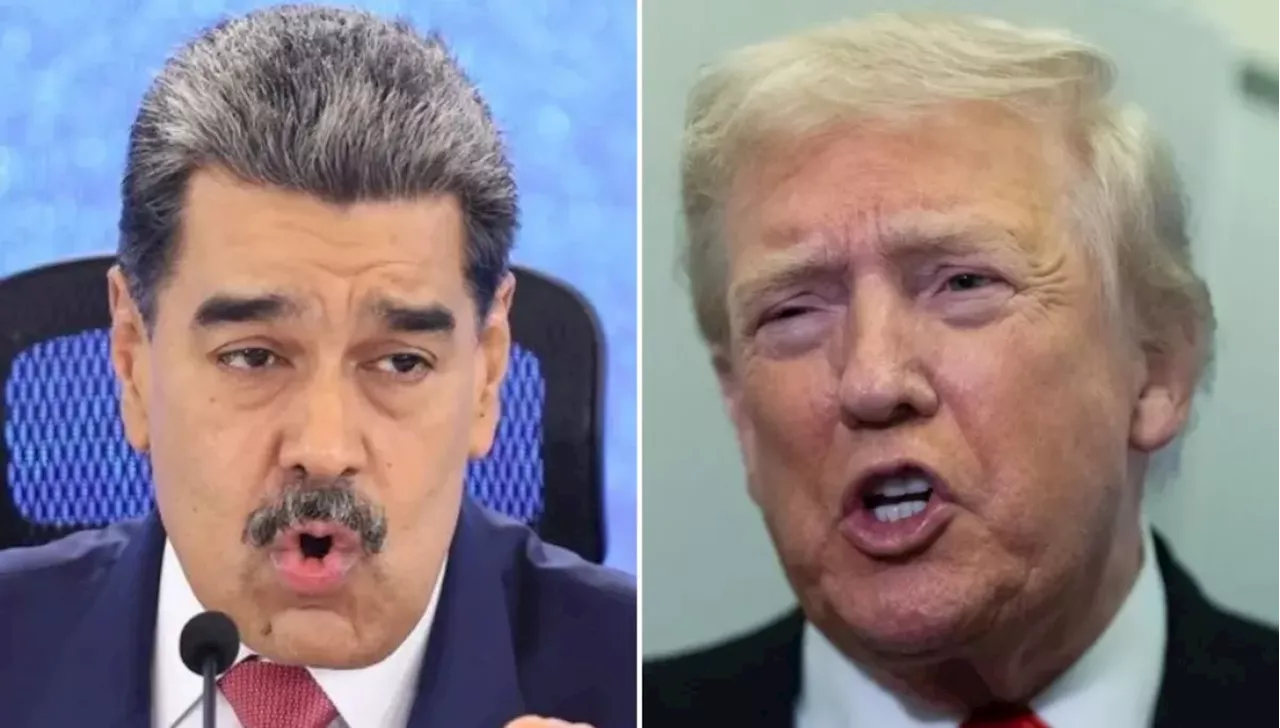
Tensions between the United States and Venezuela have intensified in recent weeks. Trump has publicly criticized Maduro, emphasizing the administration’s stance on the illegitimacy of his rule. On social media platform Truth Social, Trump claimed, “Venezuela is completely surrounded by the largest Armada ever assembled in the history of South America.” He further warned that pressure on Maduro will only increase and demanded the return of assets to the United States.
The sanctions against Maduro’s associates are part of a comprehensive strategy designed to tighten economic constraints on the Venezuelan government and diminish its ability to govern effectively. By cutting off key figures from financial support networks, the U.S. aims to weaken the regime’s grip on power.
As the geopolitical landscape continues to evolve, the implications of these sanctions extend beyond mere economic impacts. The pressure on Maduro’s inner circle raises questions about the future stability of his government and the potential for political change in Venezuela. The international community is closely monitoring these developments, as the situation remains fluid and contentious.
In summary, the Trump administration’s latest sanctions against Maduro’s associates mark a significant escalation in efforts to undermine the Venezuelan government. As the U.S. continues to navigate its foreign policy approach, the ramifications of these actions will be pivotal in shaping the future of Venezuela and its relations with the international community.