URGENT UPDATE: The U.S. House of Representatives is set to vote this week on H.R. 845, the “Pet and Livestock Protection Act of 2025,” which seeks to remove gray wolves from the federal Endangered Species Act list. This legislation would empower state wildlife agencies to manage wolf populations, reinstating a controversial 2020 rule by the U.S. Fish and Wildlife Service that previously delisted gray wolves across the lower 48 states.
Why This Matters NOW: The vote comes in the wake of alarming wolf sightings in Siskiyou County, California. Just today, wolves were spotted dangerously close to Little Shasta Elementary School, approximately 0.6 miles away, and later chasing cattle 0.9 miles from the school. Local officials are raising serious public safety concerns as reports indicate that wolves are becoming increasingly habituated to human presence.
In a statement, Jess Harris, Supervisor for Siskiyou County District 1, emphasized the urgent need for common-sense wildlife management. “The behavior of these wolves is no longer isolated. We are facing an escalating public safety threat,” he warned.
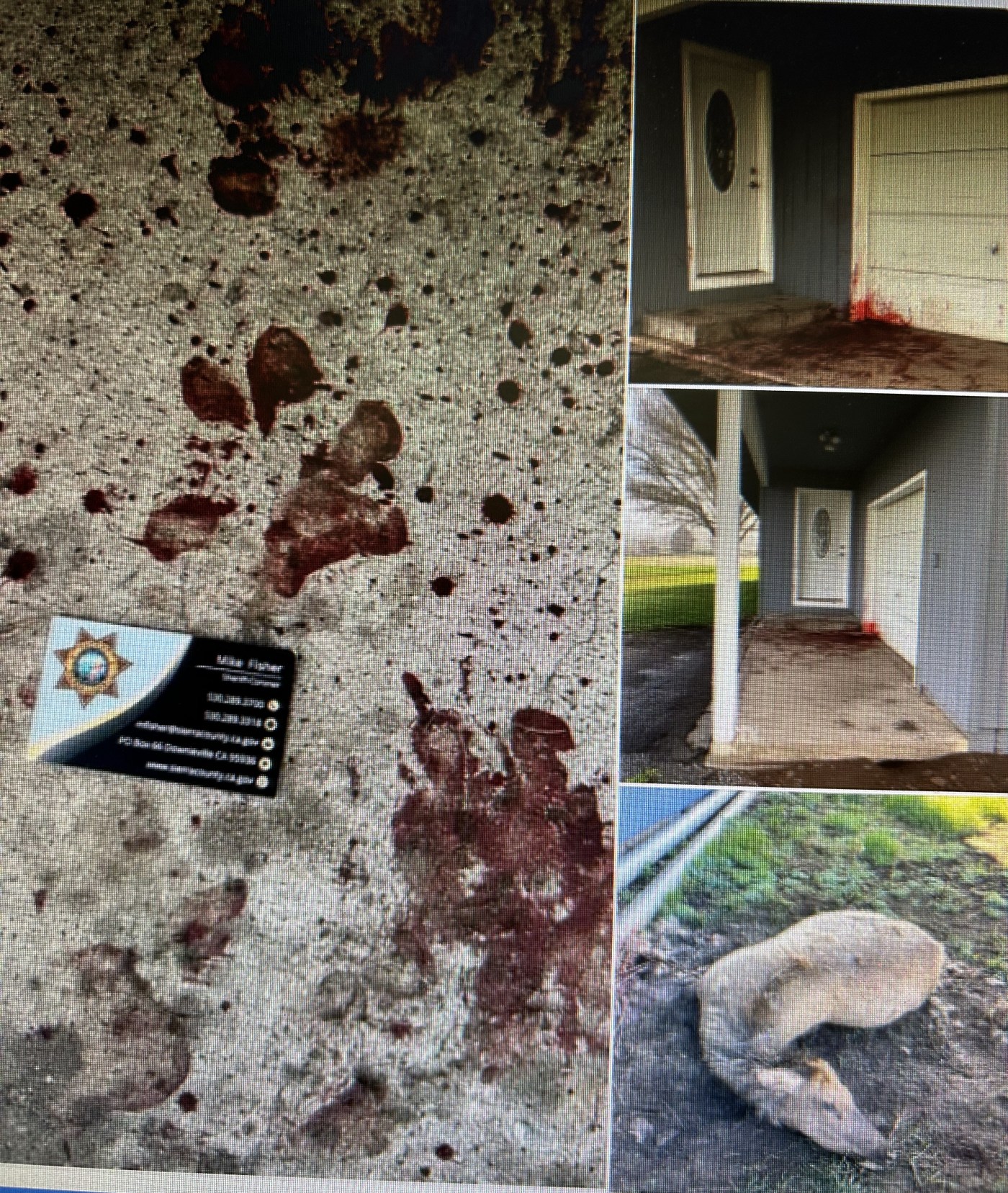
As the House prepares for the vote, the Cattlemen’s Association is urging its members to contact their representatives and advocate for a “YES” vote on H.R. 845. Farmers in the region are grappling with the consequences of increased wolf activity. Recent reports highlight significant livestock losses attributed to wolf predation, with ranchers claiming that many losses go unreported as carcasses are often consumed before investigations can be conducted.
Emotional Toll on Ranchers: The impact of wolf presence extends far beyond immediate livestock losses. Ranchers describe nights filled with anxiety, emotional exhaustion, and long-term stress affecting both their livestock and families. Many report that livestock guardian dogs, essential for protecting herds, are also at risk from wolf attacks.
Urgent Need for Management Solutions: Producers are not calling for the extermination of wolves but rather for effective management strategies that reflect the realities of ranching. Key demands include timely compensation for losses, the right to intervene during attacks, and policies that do not place the burden of predator conservation solely on rural communities.
As the situation develops, ranchers are not just fighting for their livelihoods; they are also concerned about the broader implications for rural infrastructure. If ranchers reduce herd sizes or exit the industry, local economies will suffer—schools will see declining enrollment, businesses like veterinarians and feed stores will lose customers, and county revenues will dwindle.
What’s Next: As the U.S. House gears up for this crucial vote, stakeholders across the region are watching closely. The outcome could redefine wildlife management practices across the country and significantly impact the agricultural community in California and beyond.
For further updates, stay tuned as this story unfolds. Don’t forget to share this urgent news with your network—before these wolves become a more significant threat to both livestock and public safety.