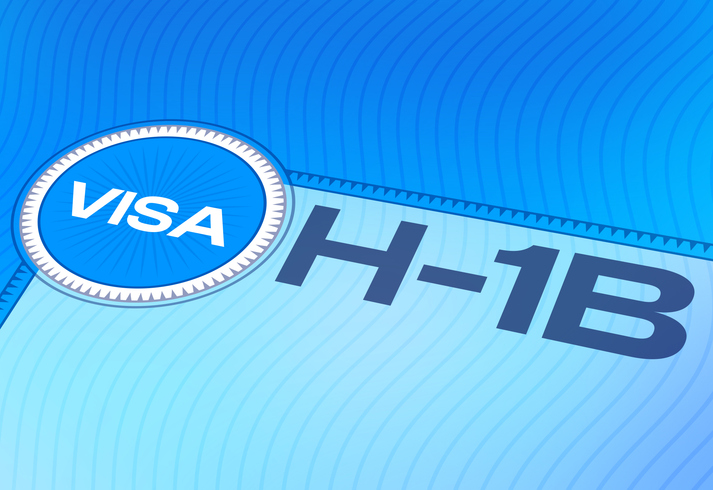
U.S. consulates have implemented new vetting rules that are significantly delaying the processing of H-1B visas, leaving many Indian professionals stranded and uncertain about their futures. Hundreds of workers who traveled to India for visa renewals have had their appointments abruptly canceled or postponed, with some rescheduled into the year 2027.
The delays began in mid-December 2023 as the U.S. State Department instituted expanded social media vetting procedures. Immigration attorney Rajiv Khanna highlighted the profound impact of these changes, stating, “H-1B India January visa appointments are being pushed to September. There isn’t much that can be done because this administration has created a systemic problem that appears deliberate.”
The new policy has reduced the number of interviews conducted daily, forcing consulates to defer scheduled appointments. Khanna criticized the necessity of the changes, questioning, “What was the extreme emergency that the social media vetting policy had to be changed and people’s lives upended overnight? This has become a universal problem for H-1B employees applying in India.”
The State Department attributes many of the delays to the new vetting policy, which requires a thorough review of applicants’ social media presence. This shift, combined with a previous rule mandating that visa applications be submitted only from one’s country of nationality or residence, has created significant barriers for both employers and employees.
Affected H-1B workers are facing numerous challenges, including separation from families in the United States, potential loss of wages, and uncertainty regarding job security. Immigration experts recommend that workers discuss remote work options or extended leave with their employers to mitigate the risk of losing positions tied to their visas.
The situation is drawing attention from major tech companies. Both Google and Apple have reportedly cautioned some employees who hold H-1B visas against international travel due to the potential for extended processing times, which could reach up to a year. This reflects the severe backlog currently affecting U.S. embassies worldwide.
With tens of thousands of jobs in crucial sectors, such as technology and engineering, dependent on H-1B talent, the impact of these visa processing delays is being closely monitored by employers and workers alike. The ongoing situation highlights broader immigration policy changes that have intensified under the previous administration, including increased vetting requirements and heightened fees for new H-1B applications.
As the visa processing challenges persist into the new year, the implications for skilled workers and the industries that rely on them remain significant. The combination of bureaucratic hurdles and stringent policies raises questions about the future of the H-1B visa program and its role in addressing labor shortages in vital sectors of the U.S. economy.