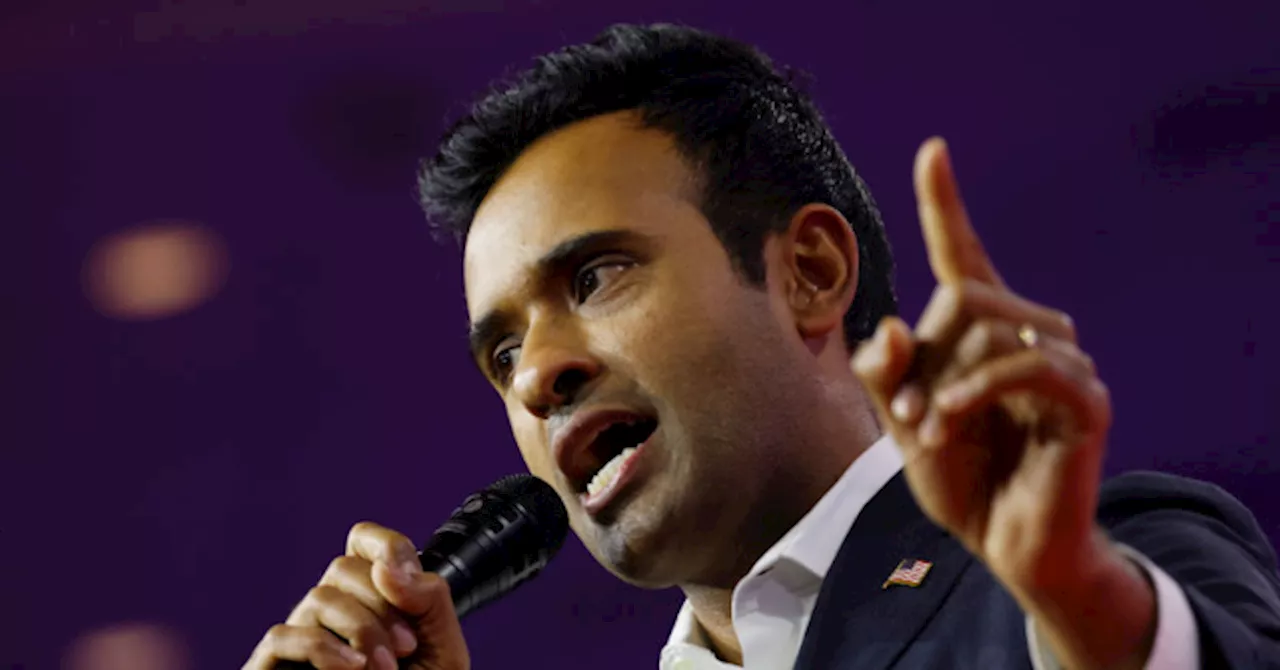
Vivek Ramaswamy, a prominent figure in American conservative politics, made headlines during his address at the Turning Point USA’s AmericaFest 2025 in Phoenix, Arizona. On December 15, 2025, he openly criticized the notion of “Heritage Americans,” arguing that such a label undermines the essence of American identity. His remarks came as part of a broader critique of emerging narratives within segments of the online conservative community.
During his speech, Ramaswamy stated, “There’s a different vision of American identity that’s emergent in certain corridors of the online right.” He contended that this perspective erroneously ties American identity to lineage and ancestry, suggesting that the duration of a family’s presence in the country determines how truly American one is. He specifically referred to the belief that the most authentic Americans are those whose ancestors were present during or before the Revolutionary era.
Ramaswamy characterized the concept of “Heritage Americans” as “about as loony as anything the woke left has actually put up,” asserting that it creates divisions among citizens. He emphasized that there is no hierarchy of Americanness, stating, “There is no American who is more American than somebody else.” His comments reflect a determination to unify the concept of American identity under a binary framework, contrasting sharply with what he described as the left’s more fluid approach to identity.
“It’s not like the left,” Ramaswamy explained. “They believe in this nonbinary stuff. There’s no nonbinary American. It is binary. Either you’re an American or you’re not.” This stark delineation underscores his vision for a cohesive national identity that transcends ethnic and ancestral lines.
As Ramaswamy continues to rise in prominence within conservative circles, his views resonate with a portion of the electorate that seeks clarity in national identity. His statements at AmericaFest are likely to influence discussions on citizenship and belonging as the political landscape evolves.
The event, which is a key gathering for young conservatives, provided a platform for various speakers to address pressing issues facing the nation. Ramaswamy’s remarks have sparked conversations about the future of American identity and the implications of labeling based on heritage.
As debates surrounding identity and citizenship intensify, Ramaswamy’s perspective may serve to galvanize support among those who favor a more traditional view of what it means to be American. The dialogue he has initiated could shape upcoming political narratives as the nation approaches crucial elections.