Interior designers consistently emphasize the importance of layering in creating spaces that feel lived-in and authentic. Layering goes beyond merely adding decorative elements; it is an essential principle that introduces depth and character to a room. According to designer Sarah Hart, layering combines contrasting textures, shapes, materials, and scales, which helps transform a room from simply decorated to thoughtfully designed.
In this article, we explore ten strategies that designers use to incorporate layering effectively, enhancing the emotional and aesthetic appeal of interiors.
Understanding the Importance of Layering
Layering is crucial for achieving a warm, inviting atmosphere in any space. Without it, a room can appear flat, lacking the depth that makes it feel authentic. Hart points out that layering is foundational to creating balance and proportion, which are essential elements in interior design. She highlights that a well-layered room can elevate the overall experience, providing a sense of richness without overwhelming the senses.
For instance, layering can be as simple as adding a throw blanket at the foot of a bed or as complex as combining various design elements to create a cohesive visual narrative. The key lies in the intention behind each layer.
Ten Techniques for Effective Layering
Designers employ various techniques to achieve depth in their projects. Here are ten methods that are common in the industry:
1. **Establishing a Strong Base**: The first layer is critical. Madelynn Hudson of M.H. Interiors emphasizes the need for a grounding layer, such as a rug or wall color. This foundational element influences every subsequent design decision, setting a clear direction for the space.
2. **Softening Hard Edges**: Textiles play a vital role in tempering the starkness of architectural features. Lauren Carlucci notes that layering fabrics like pillows, quilts, and rugs with bolder elements creates a more inviting atmosphere.
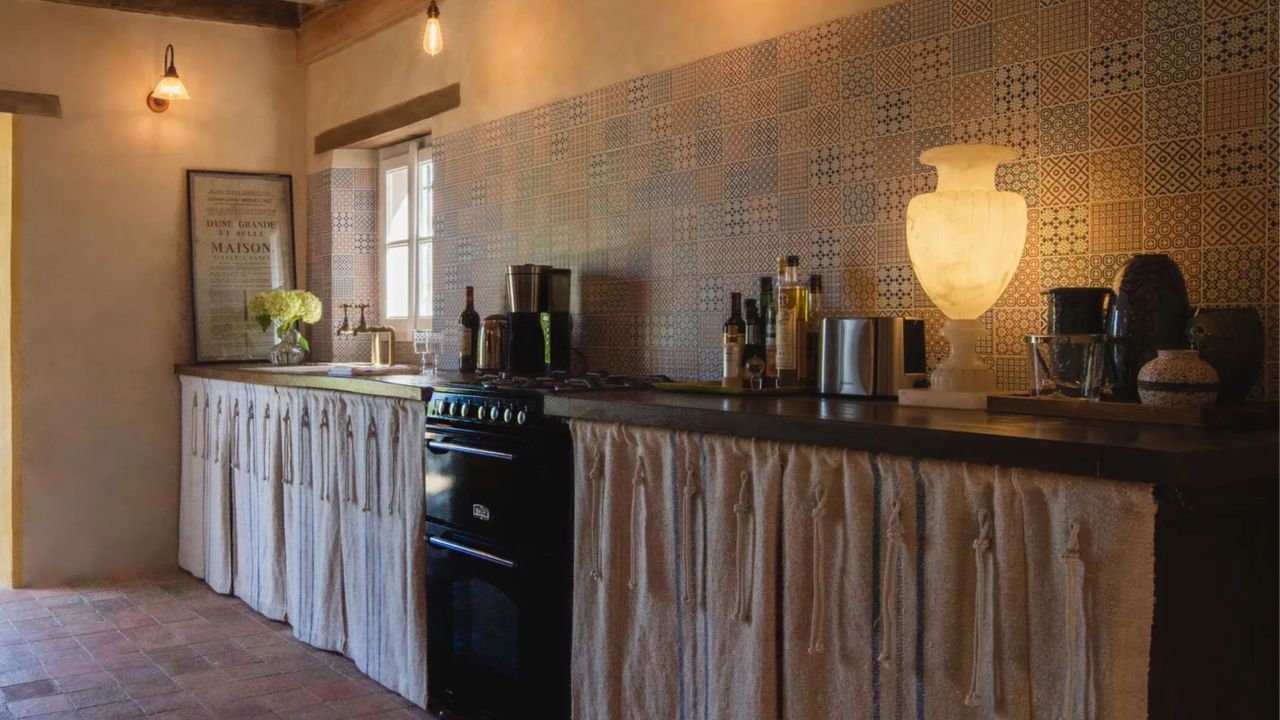
3. **Mixing Materials**: Layering different materials adds visual interest. Hudson advises incorporating stone, metal, wood, and textiles in a room. The contrasting qualities of these materials can create a dynamic interplay that enhances the space.
4. **Layering Lighting**: Effective lighting is about creating a range of illumination rather than simply increasing brightness. Jess Weeth suggests using sconces, lamps, and art lighting alongside ceiling fixtures to achieve a warm and inviting environment.
5. **Playing With Shape and Scale**: Mixing various shapes and sizes can prevent a room from feeling static. Hudson recommends pairing curvy forms with linear ones to create visual movement, while Cheryl Stauffer of Crimson Design Group stresses the importance of placing larger pieces first before adding smaller items.
6. **Balancing High and Low**: Combining luxury items with more affordable pieces can make a room feel more relatable. Dan Mazzarini, principal designer at Mazzarini & Co., advocates for mixing high-end furniture with accessible textiles, fostering an interesting aesthetic that transcends price tags.
7. **Integrating Old and New**: Vintage and contemporary pieces can enhance each other’s appeal. Carlucci highlights the value of mixing eras, as it creates a sense of history and relevance in a modern context.
8. **Leveraging Literature**: Books can serve as a unique layering tool. Stauffer often uses them to style surfaces, creating visual stories through their arrangement. This approach adds personality and depth to spaces.
9. **Using Pleats and Skirts**: Designers are increasingly embracing pleated and skirted furniture as a means of adding volume and softness. Weeth notes that these elements can refresh a space significantly without requiring complete replacements.
10. **Adding Personal Touches**: Personal items, such as souvenirs or gifts, can enhance the authenticity of a room. Hudson emphasizes including art, ceramics, and collected objects to create a space that feels lived-in and reflective of its inhabitants.
Layering is not just about aesthetics; it is a way to accumulate meaning over time. It allows spaces to evolve gradually, becoming more personal and inviting. By starting with a solid foundation and thoughtfully introducing various elements, designers can create homes that resonate with warmth and authenticity. Whether through contrasting materials, personal items, or layered textiles, the art of layering remains a fundamental aspect of interior design that continues to inspire creativity and individuality.