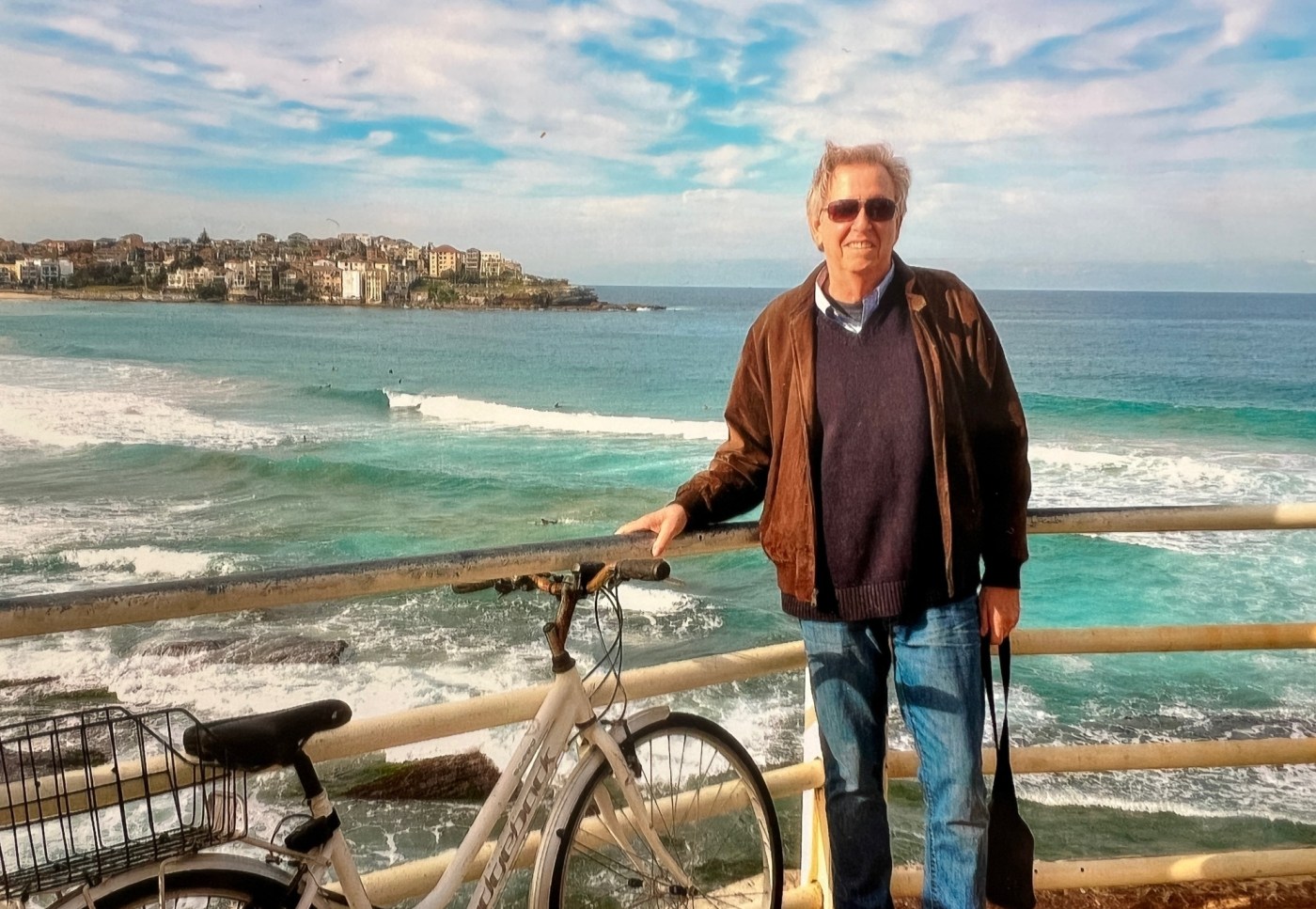
On December 14, 2025, a tragic incident at Bondi Beach during a Hanukkah celebration resulted in the deaths of 15 Jewish individuals and left several others wounded. This event unfolded against a backdrop of increasing antisemitism in Australia, prompting reflections on the Jewish experience in the country. Mark I. Pinsky, a former religion writer, shared a heartfelt letter to his grandchildren, Lucy and Jack, to provide context and understanding of this painful chapter in Australian history.
Understanding Jewish History in Australia
Pinsky, who resides in Durham, North Carolina, emphasized the significance of the Jewish community in Australia, which has roots dating back to the arrival of European immigrants in the 1700s. Among these were exiled Jewish convicts from London, who were generally treated with respect, fostering a sense of equality.
During visits to Melbourne in the early 21st century, Pinsky and his wife, Sallie Brown, connected with their daughter’s family and explored local Jewish life. They attended services at synagogues across Melbourne, Hobart, and Ballarat, and visited notable Jewish museums. These experiences highlighted the longstanding presence of Jews in Australia, who have contributed to various sectors including trade, mining, and the arts.
One noteworthy institution named in honor of a Jew is Monash University in Melbourne, which pays tribute to Sir John Monash, a respected Australian army general. The couple’s engagement with the local Jewish community allowed them to witness firsthand the resilience and contributions of Jews in Australian society.
Acts of Heroism and Hope
The horrific events at Bondi Beach brought to light not only the tragedy but also acts of bravery. One such act was performed by Ahmed al-Ahmed, a Muslim fruit shop owner of Syrian descent, who intervened during the attack and disarmed one of the shooters. Then-Prime Minister Anthony Albanese lauded this act as a powerful example of “Australians coming together” in the face of adversity.
Pinsky reflected on the pervasive issue of antisemitism, noting that it exists wherever Jews reside, including Australia. Yet, he expressed hope that by the time his grandchildren come of age, the memories of such hatred will fade into history. This sentiment underscores a desire for a future where inclusivity prevails, allowing all Australians to coexist peacefully.
The Pinsky family’s connection to Australia is personal, marked by the memories of friends lost during military service, which adds depth to their understanding of the Jewish narrative in the nation. Their experiences remind us of the importance of recognizing and learning from history, especially in light of recent tragic events.
As the Jewish community in Australia continues to mourn the victims of this tragedy, the broader narrative of resilience and hope persists. The hope is that future generations will grow up in a society where diversity is celebrated and hatred has no place.
Ultimately, the letter from Mark I. Pinsky serves as a poignant reminder of the complexities of identity, belonging, and the ongoing struggle against prejudice in a rapidly changing world.