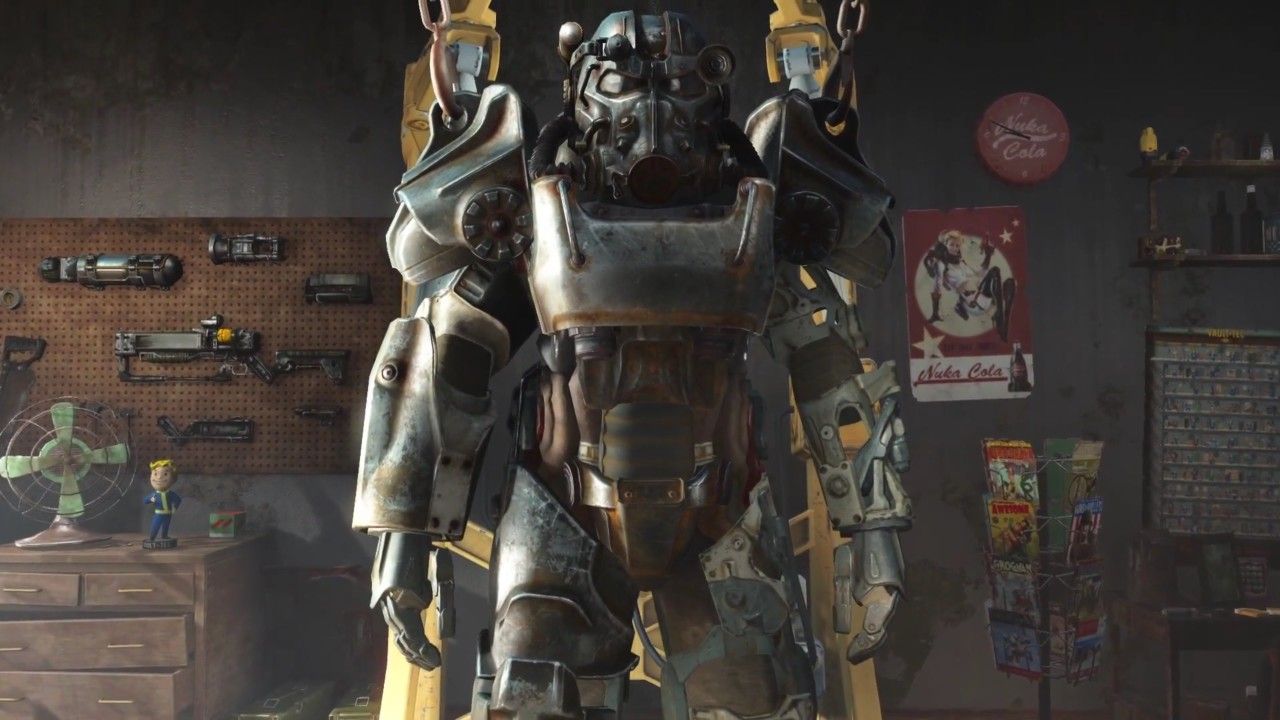
Emil Pagliarulo, a lead writer at Bethesda, recently shared insights into the storytelling differences between the fantasy RPG series *Elder Scrolls* and the sci-fi RPG series *Fallout*. According to Pagliarulo, the complexity of narrative and character choices in *Fallout* presents unique challenges compared to the more straightforward moral frameworks found in *Elder Scrolls*.
In an interview with GamesRadar+, Pagliarulo noted that *Fallout* games, particularly *Fallout: New Vegas*, feature numerous decisions that lead to multiple potential outcomes. Players often navigate a world filled with various factions, each vying for support, making it difficult to determine the “right” choice for the greater good. He remarked, “I think it’s easier in a fantasy game like *The Elder Scrolls*, where a lot of fantasy tropes are ‘there’s a big bad evil’.”
Complex Moral Choices in Fallout
Pagliarulo emphasized that *Fallout* presents a landscape of moral ambiguity. In *Fallout 4*, he pointed out that factions such as the Brotherhood of Steel and the Institute challenge players to reflect on their values. He stated, “I think in *Fallout 4*, especially with the Brotherhood and Institute, no matter what they do, you have to sit back and go ‘maybe they have a point’.” This complexity allows players to grapple with questions about ethics and responsibility.
For instance, Pagliarulo raised thought-provoking questions about the Institute’s creation of synths. He asked, “Are the synths just really toasters? Are they just machines? We created them, do they deserve to have freedom?” This inquiry showcases the depth of the narrative, encouraging players to engage with the underlying themes of humanity and technology.
Similarly, he critiqued the Brotherhood of Steel, describing them as “a bunch of hard asses,” and challenged the notion of humanity’s right to control technology that has historically led to destruction. This exploration of moral dilemmas is what keeps players returning to the *Fallout* series, as evidenced by Pagliarulo’s own experiences with the franchise.
The Appeal of Complexity
The intricacies of *Fallout*’s storytelling resonate with many players, fostering an environment where decisions carry weight and consequences are not always clear-cut. This layered approach to narrative is a hallmark of Bethesda’s RPG design, distinguishing it from other fantasy genres where good and evil are often more defined.
As Pagliarulo continues to influence the direction of Bethesda’s narratives, his insights underline the appeal of *Fallout* and its ability to provoke thought and discussion among its player base. The series’ focus on moral complexity invites players to explore the shades of gray that exist within its post-apocalyptic world, making each playthrough a unique experience.
Ultimately, Pagliarulo’s reflections highlight the unique storytelling capabilities of RPGs like *Fallout*, which challenge players to consider their choices in a world rife with competing ideologies and ethical dilemmas. As the gaming landscape evolves, the impact of these narratives will likely continue to engage and inspire players around the globe.