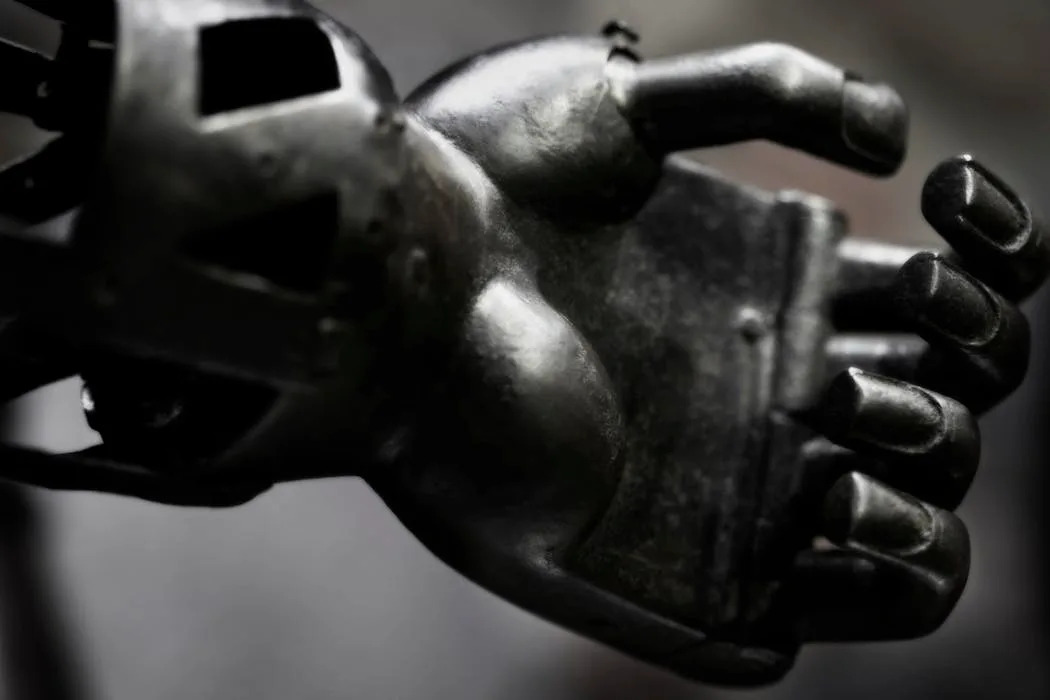
The evolution of surgical practices during the Renaissance marked a pivotal shift in human understanding of the body. Surgeons began to embrace amputation not merely as a last resort but as a legitimate means to reshape and enhance the body, paving the way for modern prosthetics. This transformation paved the way for the development of artificial limbs, most notably the intricate iron hands that emerged in Europe during the late 15th century.
The American Civil War is often seen as a critical turning point in the history of amputation techniques. With approximately 60,000 amputations performed during the conflict, the war underscored the necessity for advanced surgical methodologies and the burgeoning prosthetics industry. While this period brought significant advancements, the groundwork for such innovations began much earlier, in the 16th and 17th centuries.
Renaissance Innovations in Surgery
Early modern surgeons faced unprecedented challenges due to the rise of gunpowder warfare, which created severe injuries that frequently necessitated amputation. Traditional surgical practices were ill-prepared to handle the brutal consequences of firearms. Surgeons had to adapt their techniques rapidly, often resorting to drastic measures without the benefit of anesthetics or sterile conditions.
The spread of the printing press further facilitated the exchange of surgical knowledge. Surgeons documented their methods and shared their experiences, allowing for a wider dissemination of ideas. These writings detailed various amputation techniques, emphasizing the importance of efficiency and the use of innovative tools. For instance, some surgeons employed mallets and chisels to expedite amputations, focusing on minimizing blood loss while addressing the immediate needs of their patients.
In this environment, the perception of the human body began to shift. No longer viewed solely as something to be preserved, it was increasingly seen as a canvas that could be modified with the right interventions. This change in mindset has had lasting implications, influencing contemporary practices such as modern hip replacements.
The Emergence of Artificial Limbs
As surgical techniques advanced, so too did the development of prosthetics. Traditional wooden peg devices remained common, but the late 15th century saw the introduction of mechanical iron hands. These innovative prosthetics were crafted through collaborations between amputees and skilled artisans, reflecting a blend of functionality and artistry.
Survival rates for those who underwent amputation during this period were low, with estimates suggesting as few as 25% of patients survived the procedure. For those who did, creating a prosthetic was often a matter of resourcefulness and creativity. Historical artifacts reveal that iron hands featured intricate designs, complete with movable fingers and lifelike details such as engraved fingernails.
These early prosthetics were not merely utilitarian; they served as symbols of resilience and innovation. The iron hands were often crafted from high-quality materials and showcased mechanical ingenuity, highlighting the societal shifts in how amputees were perceived. Rather than being seen as disabled individuals, those who used these devices could present themselves as capable and resourceful, challenging the stigma often associated with limb loss.
Iron hands also prompted surgeons to consider the placement and functionality of prosthetics during surgical procedures. This marked a significant departure from earlier practices, where the primary focus was on preserving the body. Instead, surgeons began to recognize the potential of integrating technology into the human form, setting the stage for the advanced prosthetic devices we see today.
The legacy of these iron hands extends beyond their mechanical function. They represent a fundamental change in medical culture, encouraging a more proactive approach to surgical interventions and the use of artificial limbs. The collaboration between surgeons, amputees, and artisans was crucial in redefining the narrative surrounding limb loss and recovery.
In conclusion, the Renaissance was a period of transformative change in the field of surgery and prosthetics. Innovations in surgical techniques and the advent of mechanical iron hands laid the groundwork for contemporary understandings of the human body. As we continue to advance in medical technology, the historical precedents established during this time remain relevant, reminding us of the enduring interplay between human ingenuity and the quest to overcome physical limitations.
This analysis was informed by the research of Heidi Hausse at Auburn University and is part of a broader examination of the historical context of medicine and surgery.