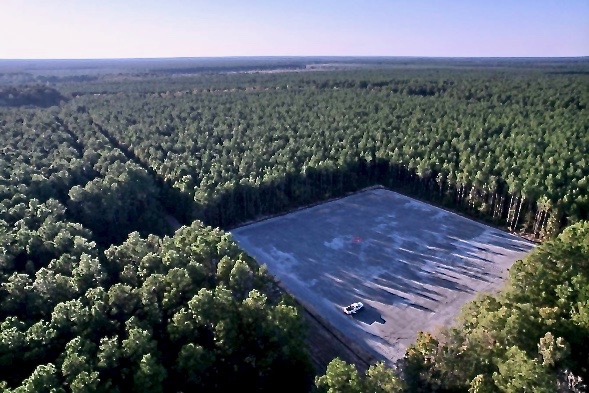
The conversion of forestland across Georgia to residential, commercial, and solar developments is accelerating, driven more by economic necessity than by greed. According to Drew Jones of Charlton County, many landowners face harsh financial realities that compel them to alter their land use.
In his recent correspondence, Jones emphasizes that while the love for forests and the outdoors is shared widely, this affection does not alleviate the financial burdens faced by landowners. With timber markets contracting and prices at historic lows, the costs associated with equipment, labor, and materials have surged.
The economic landscape for forest landowners has shifted dramatically. As Jones explains, some markets for timber have essentially vanished, leaving landowners with few viable options. The potential for converting forestland to other uses is often the only remaining option to ensure financial survival.
Challenges Facing Landowners
The reality of maintaining forestland has become increasingly complex. While many individuals advocate for the preservation of these natural resources, the economic framework does not support such initiatives without substantial public funding. Jones argues that if Georgia were to attempt to purchase two-thirds of its forestland to protect it, the tax implications would be unfeasible.
This economic pressure forces landowners into difficult decisions. The notion that their actions stem from greed fails to account for the survival instincts that drive these choices. As they navigate these challenges, it becomes essential for the public to understand and support the people managing these vital resources.
Jones stresses that maintaining forests is crucial not only for environmental reasons, such as providing clean air, wildlife habitats, and carbon storage, but also for the livelihoods of those who oversee them. The future of Georgia’s forests relies heavily on the ability of landowners to make economically sound decisions, underscoring the importance of survival over profit.
As discussions around land use continue, it is vital to approach the issue with a nuanced understanding of the economic factors at play. Supporting landowners in their efforts to manage forests sustainably could ensure that these landscapes remain intact for future generations, benefiting both the environment and the economy.