The Israeli government has approved the closure of Army Radio, known as Galei Tzahal, marking the end of a broadcasting institution that has operated for over 75 years. The decision was announced on March 1, 2024, as part of a broader initiative led by Defense Minister Israel Katz to consolidate government control over media outlets in Israel. The resolution received unanimous support from the government, despite significant opposition from legal experts and civil society organizations.
In an official memorandum, Attorney General Gali Baharav-Miara expressed strong reservations about the decision, stating that it lacked the necessary factual and professional foundation, effectively violating existing laws. She characterized the closure as part of a larger trend aimed at undermining public broadcasting and restricting freedom of expression in Israel. “The decision forms part of a broader move to undermine public broadcasting in Israel and to restrict freedom of expression,” Baharav-Miara said.
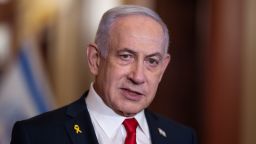
Prime Minister Benjamin Netanyahu defended the closure, suggesting that a military-run station is incompatible with democratic values. He stated, “A military station broadcasting under the army’s authority exists in North Korea and perhaps a few other countries, and we certainly don’t want to be counted among them.”
The decision has sparked outrage among various groups, including the Israel Press Council and the Israeli journalists’ union, which are preparing to challenge the government’s action in the Supreme Court. The military-operated broadcaster, while an official unit of the Israel Defense Forces (IDF), has been known for its lively news programming featuring both soldiers and civilian journalists. Many of its shows have included critical discussions of political affairs, which have not always sat well with government officials.
Katz’s initiative to close Army Radio follows his announcement last month and is seen as part of a wider effort to reshape the media landscape in Israel. This includes proposed regulatory reforms that would grant the government greater authority to impose fines and sanctions on news organizations. While Katz is not the first defense minister to express dissatisfaction with the station’s tone, he is the first to take definitive action, convening a committee with members aligned politically with the government. This committee recommended either shutting down the station or transforming it into a model that would limit its news and political content.
In response to the closure, Opposition Leader Yair Lapid condemned the government’s actions, framing them as an attack on freedom of speech. He asserted that the government’s inability to address pressing issues, such as the cost of living and security, has led it to target media outlets. “Wherever there’s a truth inconvenient to the government, they act to eliminate it,” Lapid stated. He emphasized that the decision is part of a campaign to control narratives during an election year.
As the situation unfolds, the implications for press freedom in Israel remain a concern for many observers. The closure of Army Radio is a significant development that raises questions about the future of independent journalism in a country where media scrutiny has historically played a vital role in democratic governance.
The debate over the closure reflects broader tensions regarding governmental authority and the independence of the press, highlighting the challenges faced by media organizations operating within a rapidly evolving political landscape.