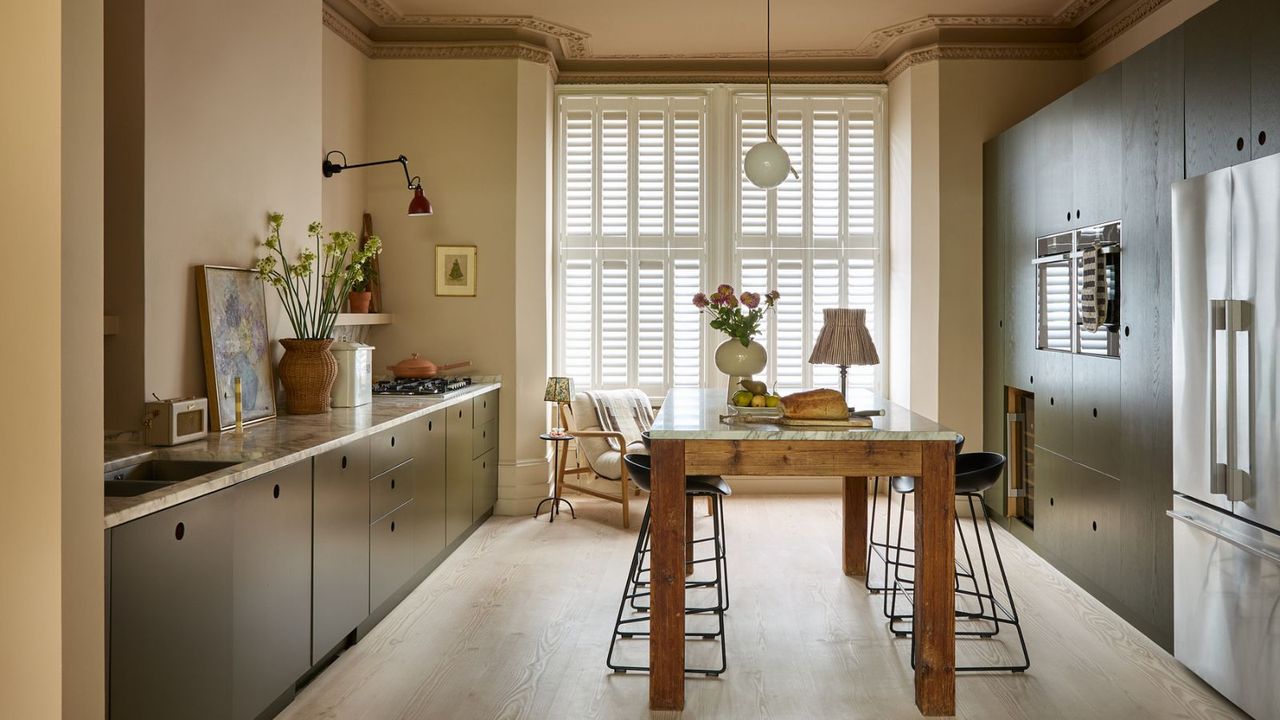
As homeowners increasingly focus on modernizing their kitchens, interior designers are highlighting specific layouts that may feel outdated by 2026. According to a panel of design experts, certain configurations can hinder both functionality and social interaction, prompting a shift towards more intentional and cohesive designs.
The need for kitchens to adapt to evolving lifestyles is more pressing than ever. With many families using these spaces not just for cooking but also for socializing and gathering, the layout plays a crucial role in enhancing the overall experience.
Three Kitchen Layouts to Avoid in 2026
If you are contemplating a kitchen renovation in 2026, consider steering clear of the following outdated designs to ensure your space remains stylish and functional.
1. The Double Island Layout
Traditionally, the double island layout has provided extra storage and surface area. However, designers like Becky Shea argue that this configuration can create a disjointed atmosphere. “While I haven’t designed one myself, I’ve seen quite a few double island kitchens, and I feel we’ll be moving away from that layout in 2026,” she notes.
Shea’s sentiment is echoed by Kristina Khersonsky, who stresses that such layouts often appear oversized and disconnected. The shift is towards kitchens that foster connection and flow rather than scale. Instead of two islands, designers suggest opting for single, purpose-driven islands that encourage gathering.
“Islands that are softer, less boxy, and more functional are likely to trend in 2026,” adds Laura Stephens. Options like butcher-block-style tables on wheels can create a more inviting atmosphere while maximizing utility.
2. Unsociable Kitchen Configurations
Kitchens must serve multi-functional roles, evolving into spaces that prioritize social interaction. Designer Kathy Kuo emphasizes the importance of creating environments where people can congregate. “The best kitchens are more than just functional rooms – they’re also spaces that prioritize gathering,” she explains.
Incorporating cozy seating areas or designated zones for drinks can transform the kitchen into a social hub. Even in compact city kitchens, small adjustments—such as a breakfast nook or a few strategically placed stools—can make a significant difference in usability.
The addition of comfortable seating options, like banquettes or stylish dining tables, can enhance the kitchen’s inviting nature, making it an ideal gathering spot.
Rethinking Open-Plan Designs
For years, open-plan kitchens have been synonymous with modern design. However, as we approach 2026, experts advocate for a more defined approach. Ethan Charles states, “I think we’ll be gravitating away from layouts that are overly open with no boundaries.”
While the idea is not to reconstruct walls, creating visual separations can lead to a more intentional and functional home design. Simple strategies—such as using rugs to delineate spaces or adding glass dividers—can help in achieving this.
The goal is to make open plans feel inviting rather than cold. By creating defined areas within an expansive space, homeowners can enjoy the benefits of openness while still retaining a sense of individuality for each section.
In conclusion, as kitchen design trends move forward, the emphasis is shifting towards layouts that foster connection and functionality. By avoiding outdated configurations, homeowners can create spaces that not only meet their practical needs but also serve as inviting areas for social engagement, ensuring that their kitchens remain at the heart of the home.