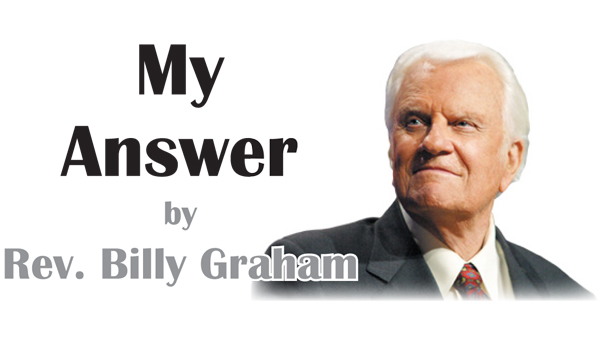
Retirement can evoke a mix of excitement and anxiety. Many individuals approach this significant life transition with a blend of anticipation and concern. As highlighted in a recent correspondence with the late Rev. Billy Graham, numerous people find themselves ill-prepared for the realities that come with retirement. This sentiment resonates with many who fear losing purpose and challenge in their post-working years.
In his response to a concerned individual, referred to as R.F., Graham emphasized that retirement is a major life change that merits thoughtful consideration. He noted that while some individuals eagerly await this phase of life, others dread it, often because they feel unprepared for the challenges ahead. According to Graham, the realities of retirement can include adjusting to new daily routines, coping with declining health, or facing the loss of loved ones.
Many people invest significant time and resources into creating their ideal retirement lifestyles. Some build dream homes, while others opt for life within retirement communities. Unfortunately, not everyone finds joy in their later years, as some may end up in nursing homes, grappling with loneliness or health issues. The key takeaway is that planning for retirement should extend beyond financial considerations to encompass emotional and spiritual well-being.
Graham pointed out the importance of making informed decisions as one ages, emphasizing that no one can predict the future. He suggested that while practical preparations are crucial, existential questions regarding one’s eternal future should not be overlooked. For Christians, this includes reflecting on the promise found in John 14:2: “I go to prepare a place for you.”
The essence of Graham’s message is clear: rather than worrying about the uncertainties of retirement, individuals should focus on nurturing their faith and ensuring they are prepared for what lies beyond this life. He encouraged readers not to settle for anything less than divine purpose, urging them to embrace God’s plans for their lives.
As individuals contemplate their retirement, it may be beneficial to develop a proactive mindset. This approach can help mitigate fears and encourage a focus on the experiences and opportunities that lie ahead, allowing one to fully appreciate the gifts life offers in this new chapter.
In conclusion, preparing for retirement is not just about financial security but also involves addressing emotional and spiritual needs. By fostering a mindset rooted in faith and purpose, individuals can navigate the complexities of retirement with greater confidence and peace.