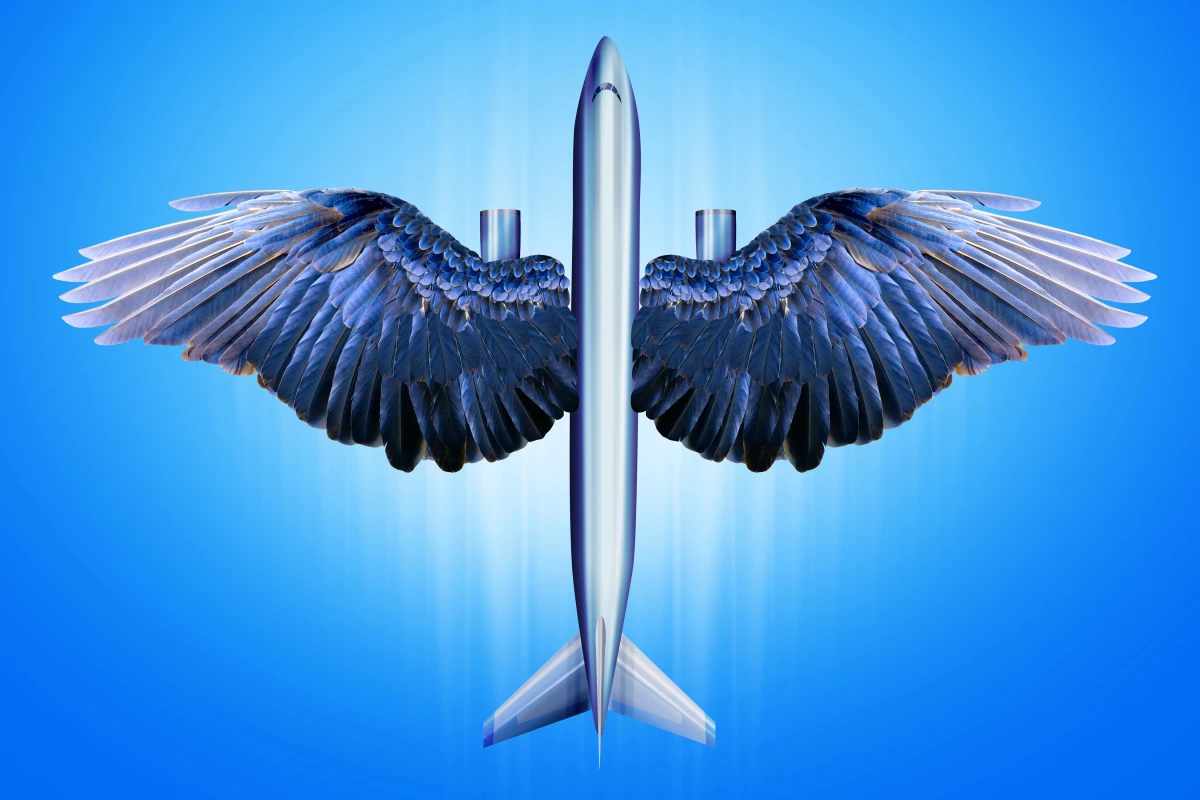
Innovative engineers are increasingly looking to nature for inspiration, leading to significant advancements in technology. Notable developments in 2025 include water-skipping robots and cooling materials inspired by elephant skin. This trend of biomimicry, which has influenced inventors since the time of Leonardo Da Vinci, is set to play a crucial role in enhancing robotics, flight technology, and energy efficiency.
Understanding the intricacies of animal movement and behavior allows engineers to create more effective machines and materials. For instance, the design of water-skipping robots is based on the natural ability of certain animals to glide across water surfaces. These robots offer potential applications in environmental monitoring and search-and-rescue missions, showcasing how nature can inform practical engineering solutions.
Innovative Biomimicry Developments
This year has seen various applications of biomimicry that demonstrate its impact on both technology and sustainability. Engineers have developed materials that mimic the cooling properties of elephant skin, which helps regulate temperature in warm climates. Such materials not only enhance energy efficiency but also reduce reliance on traditional cooling systems, ultimately benefiting the environment.
Additionally, advancements in robotics inspired by animal locomotion are paving the way for new forms of transportation. By studying how creatures navigate their environments, engineers have begun to design robots that can traverse difficult terrains. This approach is particularly relevant in fields such as disaster response and exploration, where traditional vehicles may struggle.
The emphasis on biomimicry reflects a broader trend towards sustainable innovation. As the demand for energy-efficient technologies grows, drawing inspiration from nature may provide the solutions needed to address global challenges. The ongoing research and development in this area demonstrate the potential for a future where technology and nature work in harmony.
In conclusion, the innovations of 2025 highlight the significance of biomimicry as a guiding principle in engineering. The ability to translate natural designs into effective technologies not only enhances human capabilities but also promotes a more sustainable approach to development. As our understanding of the natural world deepens, so too will the potential for groundbreaking advancements in various fields.