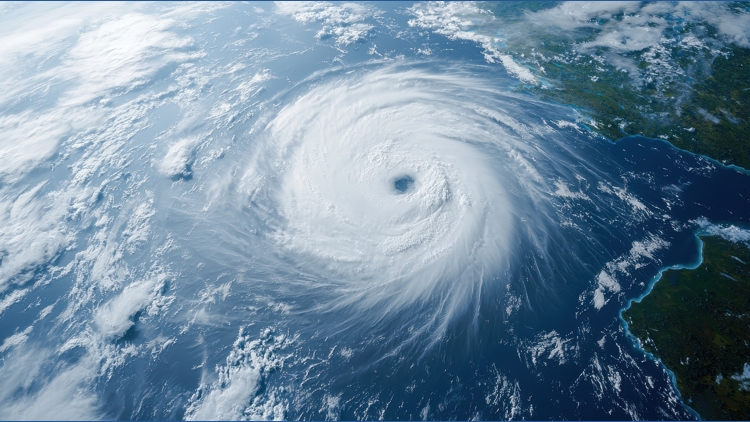
UPDATE: New insights reveal that hurricanes, often seen as deadly forces of nature, play a critical role in maintaining Earth’s climatic balance. As extreme weather events continue to escalate, understanding the dual nature of hurricanes is essential for global awareness.
When hurricanes strike, they devastate communities, leaving behind shattered homes and severe flooding. However, experts assert that these storms are vital for regulating the planet’s temperature and energy distribution. Mark Johnson, a meteorologist from WKYC in Cleveland, emphasizes that hurricanes function as a natural heat exchange system, pulling excess warmth from tropical waters and redistributing it toward the poles.
The mechanism behind this is fascinating. Hurricanes form when warm ocean water evaporates, lifting moist air into the atmosphere. As this air rises, it cools and releases tremendous amounts of heat, which is then transferred through global wind currents. This process prevents catastrophic climatic imbalances, ensuring that the tropics do not overheat while the poles don’t freeze, a scenario that could lead to more extreme weather patterns worldwide.
While the immediate impact of hurricanes is often tragic, the long-term ecological benefits are significant. The torrential rains associated with these storms can replenish rivers and aquifers in drought-stricken areas, sustaining agriculture and wildlife for months or even years. Additionally, hurricanes reshape coastlines, move sand to build barrier islands, and flush out stagnant waters, improving overall marine health and biodiversity.
According to studies, hurricanes also mix ocean waters, introducing oxygen and nutrients critical for marine ecosystems. This stirring action enhances conditions for fish and coral, leading to bursts of marine activity essential for ecological vitality.
The takeaway is clear: hurricanes are a double-edged sword. Their destructive power can cause immediate chaos, but they are also essential for preventing long-term environmental crises. As communities brace for the next storm, it’s important to acknowledge that these natural phenomena serve a crucial function in Earth’s climate system.
As weather experts continue to refine forecasting methods and enhance infrastructure to protect lives, the conversation around hurricanes must evolve. Recognizing their role in climate regulation can foster a greater appreciation for the complex systems that sustain our planet.
Stay tuned for more updates on this developing story, and check your local forecasts for the latest weather alerts.