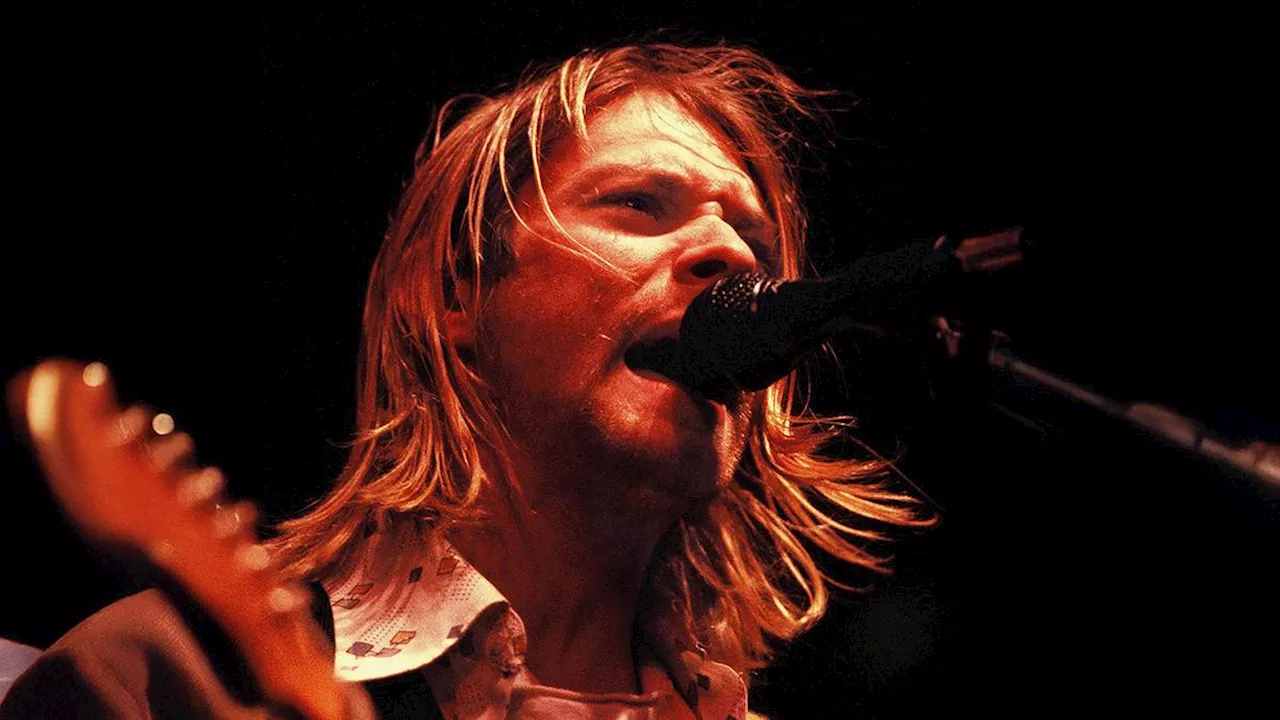
Nirvana’s impact on the music scene remains profound, and recently, a well-known female rock artist highlighted the band’s influence, particularly through the iconic album Nevermind, released in 1991. The album, featuring its legendary cover, became a cultural phenomenon, encapsulating the struggles of youth while also intertwining with the feminist rock movement of the era.
The connection between Nirvana and the feminist punk band Bikini Kill is particularly significant. Lead singer Kathleen Hanna played a crucial role in shaping the narrative around Nirvana’s most famous song, “Smells Like Teen Spirit.” The title originated from a moment of levity involving Hanna, her bandmate Tobi Vail, and Kurt Cobain, the frontman of Nirvana. This interaction not only illustrates the close ties among these influential musicians but also highlights the complexities of their relationships.
Origins of a Cultural Touchstone
Cobain’s relationship with Vail, which began in the late 1980s, was instrumental in shaping his music. Their bond was deeply rooted in a shared feminist ideology, aligning with the burgeoning Riot Grrrl movement that sought to voice women’s experiences in rock music. In her memoir, Rebel Girl, Hanna recalls the early days of their friendship, underlining Cobain’s supportive nature during a difficult time in her life. She described him as “the first feminist man who never thought being an ally meant you couldn’t defend a woman in bold strokes.”
The playful moment that led to the naming of “Smells Like Teen Spirit” came when Hanna and Vail joked about a brand of deodorant. Hanna recounted, “It was called ‘Smells Like Teen Spirit,’ and it was so weird, like ‘I Can’t Believe It’s Not Butter.’” Later, while at Cobain’s home, she whimsically wrote “Kurt smells like teen spirit” on his wall, not realizing the significance it would hold in music history.
As the song propelled Nirvana into mainstream success, Cobain expressed frustration with its overwhelming fame. In a 1994 interview with Rolling Stone, he voiced his irritation, stating, “Once it got into the mainstream, it was over. I’m just tired of being embarrassed by it.” He believed that other tracks from Nevermind, such as “Drain You,” deserved similar recognition.
Legacy and Influence
Kathleen Hanna’s contributions to rock music extend beyond her association with Nirvana. As a founding member of Bikini Kill, she helped lay the groundwork for future female-led bands, including Sleater-Kinney and Pussy Riot. Today, Hanna continues to foster connections among female artists through her work on the NPR podcast Music Makes Us, featuring guests like Olivia Rodrigo and Hayley Williams of Paramore.
Despite her pivotal role in rock history, Hanna has frequently expressed her desire to be recognized for her own artistic journey rather than as a mere footnote in the stories of Cobain or other male artists. She has been vocal about the challenges of being perceived as secondary to their narratives, emphasizing, “I don’t want to be the footnote in King Ad-Rock’s story or Kurt Cobain’s story. I’m a feminist artist with my own trajectory and my own musical legacy.”
The intertwined legacies of Nirvana and Bikini Kill not only represent a significant chapter in music history but also reflect the cultural shifts of the early 1990s. As the grunge movement rose to prominence, it brought with it a reevaluation of gender roles within the music industry, paving the way for future generations of artists. The stories of these musicians continue to resonate, illustrating the enduring power of music as a form of expression and resistance.