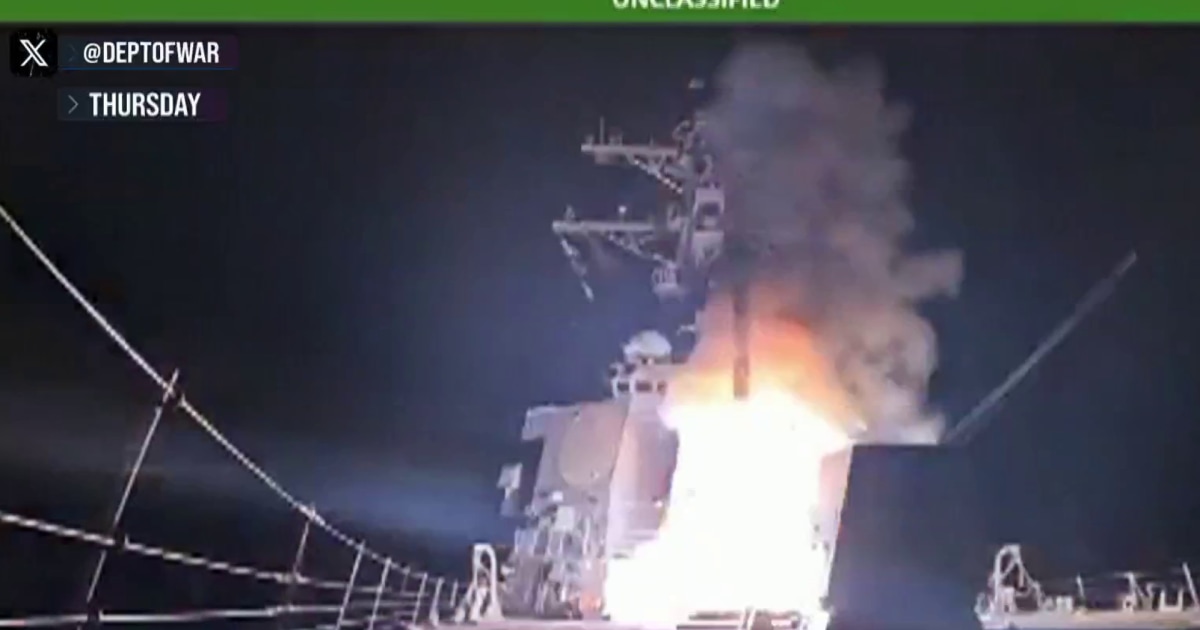
The United States launched targeted airstrikes against ISIS positions in Nigeria on December 25, 2025. These strikes were ordered by President Joe Biden, who accused the militant group of “slaughtering” Christians in the region. This military action reflects ongoing concerns regarding the safety of religious minorities in Nigeria, particularly in the face of escalating violence attributed to extremist factions.
The airstrikes were executed as part of a broader strategy to combat terrorism globally. According to a statement from the White House, the strikes aimed to disrupt ISIS operations that pose a direct threat to both local populations and international security. The U.S. has previously expressed its commitment to supporting Nigeria in its fight against terrorism.
Context of the Strikes
Nigeria has experienced significant unrest in recent years due to rising violence from Islamist militant groups, including ISIS affiliates. The organization has claimed responsibility for numerous attacks targeting civilians, particularly Christians in northern and central regions of the country. The U.S. military’s involvement underscores the international community’s concern regarding the humanitarian crisis arising from these conflicts.
On the same day as the strikes, President Joe Biden prepared for peace talks with Ukrainian President Volodymyr Zelenskyy, scheduled for December 27, 2025. These negotiations are seen as crucial for addressing ongoing tensions in Eastern Europe, particularly in light of the conflict with Russia.
The dual focus on international military operations and diplomatic efforts illustrates the complex landscape of U.S. foreign policy, which seeks to balance immediate military responses with long-term diplomatic solutions. As President Biden engages with global leaders, the impacts of these military strikes will likely be a topic of discussion during the upcoming talks with Zelenskyy.
The airstrikes in Nigeria represent a significant escalation in the U.S. response to threats posed by ISIS. As the situation unfolds, experts and officials will closely monitor the ramifications for both Nigeria and broader geopolitical dynamics.