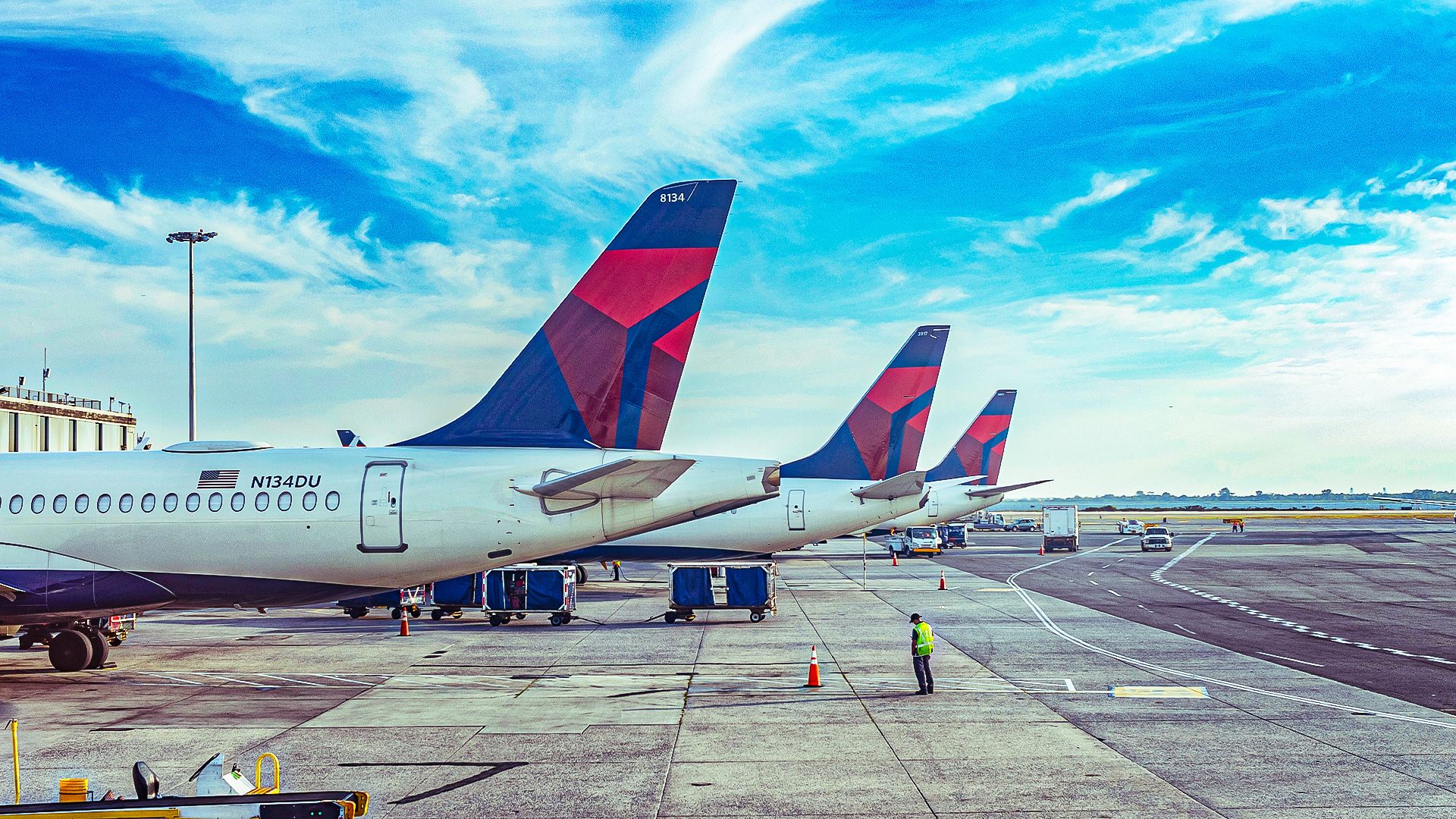
The aviation landscape in the United States continues to assert its dominance as the largest market globally, with a staggering 900 million passengers flying on commercial aircraft in 2024. This figure surpasses China’s passenger numbers by more than 140 million, solidifying the U.S. position as the world’s busiest aviation hub. The top airports play a crucial role in this impressive statistic, with a few major hubs accounting for a significant share of the total traffic.
Leading Airports in Passenger Traffic
At the forefront is Hartsfield-Jackson Atlanta International Airport (ATL), which remains the busiest airport worldwide. In 2024, ATL handled over 105 million passengers across approximately 800,000 flights. As the primary hub for Delta Air Lines, ATL connects travelers to more than 150 domestic and over 70 international destinations. The airport’s extensive infrastructure, including five parallel runways and the tallest air traffic control tower in North America, supports its operational capacity.
Following ATL is Dallas/Fort Worth International Airport (DFW), which welcomed nearly 88 million passengers in 2024. DFW is not only the second-busiest airport in the U.S. but also ranks third globally. With a portfolio of 269 destinations, including 73 international locations, DFW is embarking on a significant expansion project called “DFW Forward,” investing up to $12 billion to construct a new terminal and renovate existing facilities.
Noteworthy Hubs Contributing to Growth
Denver International Airport (DEN) also saw remarkable growth, recording over 82 million passengers in 2024. DEN is distinguished by its vast land area, making it the largest airport in the U.S. by size. It serves as a major hub for both United Airlines and Southwest Airlines, and it recently ranked among the top U.S. airports for domestic direct flights.
Another significant player is Chicago O’Hare International Airport (ORD), which processed over 80 million passengers last year. With both United and American Airlines operating extensive networks through ORD, it is considered a dual mega hub. July 2025 marked the busiest month in the airport’s history, with a peak of 214 domestic destinations served. O’Hare’s eight active runways make it the most active civilian airport globally.
In California, Los Angeles International Airport (LAX) maintained its position as one of the busiest airports, serving over 75 million passengers. As the primary hub on the West Coast, LAX is undergoing major renovations in preparation for the 2028 Olympics. Notably, nearly 90% of its travelers are non-connecting passengers, making it a key destination for many international flights.
Lastly, Charlotte Douglas International Airport (CLT) emerged as one of the fastest-growing airports, accommodating over 55 million passengers in 2024. As American Airlines’ second-largest hub, CLT is experiencing rapid developments under its “Destination CLT” capital improvement program, which includes a significant expansion of its main lobby and the construction of a fourth parallel runway.
The U.S. aviation industry continues to evolve, driven by increasing passenger demand and ongoing infrastructure investments. As 2024 draws to a close, these major airports remain vital to the growth and connectivity of air travel, shaping the future of the industry.