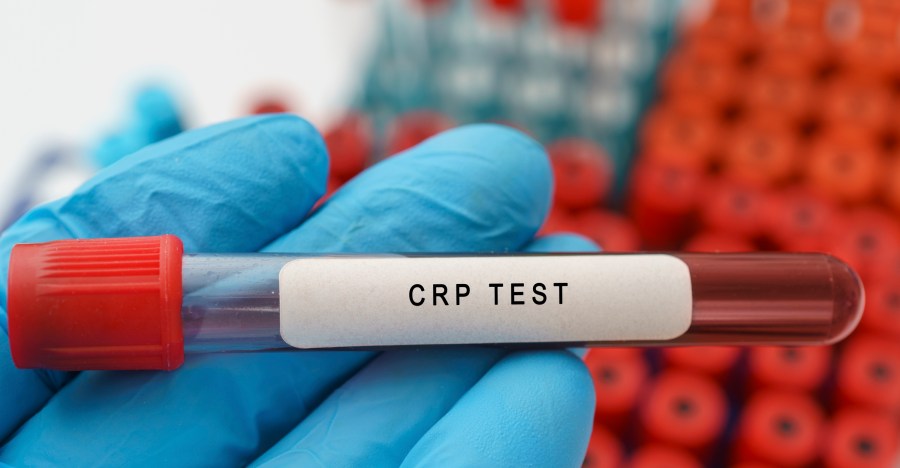
Urgent update: New research reveals that C-reactive protein (CRP) now surpasses ‘bad’ cholesterol as the most significant marker for assessing heart disease risk in patients. This groundbreaking finding, reported on October 15, 2023, challenges long-standing medical practices in the United States and could reshape how healthcare providers evaluate cardiovascular health.
Heart disease remains the leading cause of death in the U.S., responsible for over 697,000 deaths annually, according to CDC statistics. Traditionally, healthcare professionals have relied on cholesterol levels, particularly low-density lipoprotein (LDL), to gauge patients’ heart disease risk. However, researchers have now identified CRP as a more reliable indicator, as it reflects inflammation in the body—a key factor in heart disease progression.
This shift in understanding is vital, as it could lead to earlier and more accurate interventions for millions of Americans. New findings suggest that elevated CRP levels are linked to higher risks of heart attack and stroke, prompting calls within the medical community to prioritize CRP testing alongside traditional cholesterol screenings.
The implications of these discoveries are profound. As healthcare evolves, patients may soon see changes in routine assessments during their doctor visits. Researchers emphasize that integrating CRP testing could enhance preventive strategies, allowing for tailored treatment plans that directly address inflammation and cardiovascular health.
Understanding this new perspective on heart disease is essential for all patients, especially those with a family history of cardiovascular issues. Medical experts recommend discussing CRP testing with healthcare providers, especially if patients have other risk factors such as obesity, diabetes, or a sedentary lifestyle.
As these developments unfold, the medical community is urged to adapt quickly. Monitoring CRP levels could become standard practice, aligning with the latest research in cardiovascular health. Patients and healthcare professionals alike should stay informed about these changes to ensure optimal heart disease prevention strategies.
This urgent shift in heart disease assessment could save countless lives by encouraging proactive health measures. Share this article to spread the word about the importance of C-reactive protein in heart disease risk evaluation!