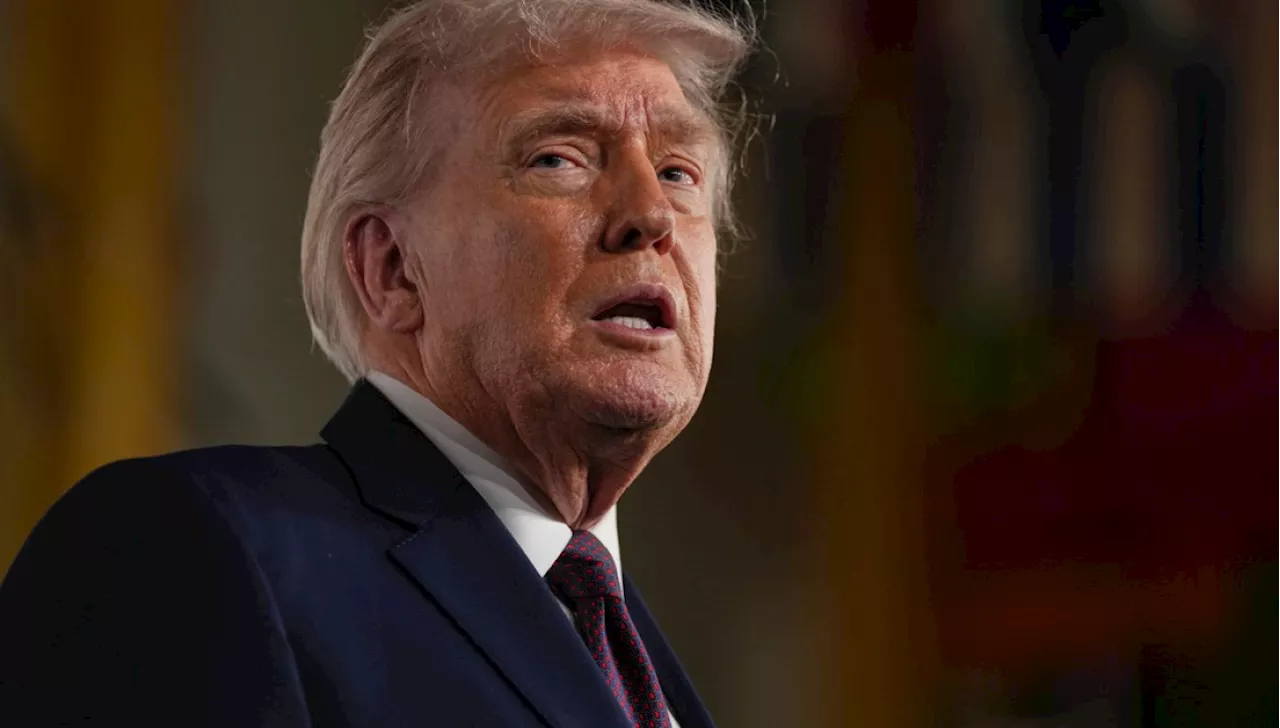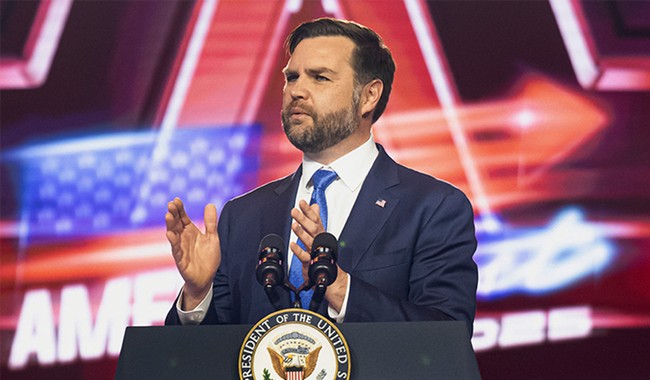
Political commentators are already labeling JD Vance, the current Vice President and an emerging figure in Republican politics, as potentially more dangerous than Donald Trump. This assertion, made by Finnish PhD candidate Joni Askola, reflects the ongoing trend of hyperbolic comparisons within political discourse. Askola’s recent post on social media sparked a wave of reactions, suggesting that Vance’s political style and policies may prove to be even more concerning than those of the former president.
Many observers have pointed out that the timing of these claims, occurring in the waning days of 2025, seems premature. Critics argue that the left’s strategy of vilifying Republican leaders by likening them to historical figures, such as Hitler, has become a tired narrative. According to Askola, Vance is “even worse and even more dangerous than Donald Trump,” a statement that has drawn skepticism and ridicule from various corners of the political spectrum.
As political discourse intensifies, social media has become a battleground for these contrasting views. Askola’s assertions were met with sarcasm from those who feel such comparisons lack substance. One comment noted, “Are you telling us there’s someone worse than Hitler?” This sentiment reflects a growing fatigue among voters who perceive these claims as exaggerated.
Political analysts suggest that Democrats have struggled with messaging, especially when it comes to articulating specific policy differences. The reliance on extreme comparisons may alienate moderate voters who are looking for more substantive discussions about governance rather than rhetorical flourishes. A seasoned commentator remarked that it might be more effective to highlight concrete issues like tariff policy rather than resorting to hyperbole about candidates.
The trend of equating Republican candidates with historical villains is not new. Critics remember the backlash against George W. Bush, who faced similar accusations during his presidency. The historical context indicates that such tactics often backfire, resulting in a loss of credibility among the electorate. The persistence of this narrative raises questions about the effectiveness of the Democratic strategy as they prepare for future elections.
As political tensions continue to rise, the discussion surrounding Vance is likely to evolve. With the next election cycle approaching, the question remains whether these early alarm bells will resonate with voters or ultimately fall flat. As political analysts continue to dissect the implications of such claims, it is evident that the landscape of American politics is as contentious as ever.
In conclusion, the early criticism directed at JD Vance as being “worse than Trump” may reflect deeper challenges within the Democratic messaging strategy. As both parties gear up for the upcoming electoral battles, understanding the nuances of these debates will be crucial for voters seeking to navigate the complexities of contemporary politics.