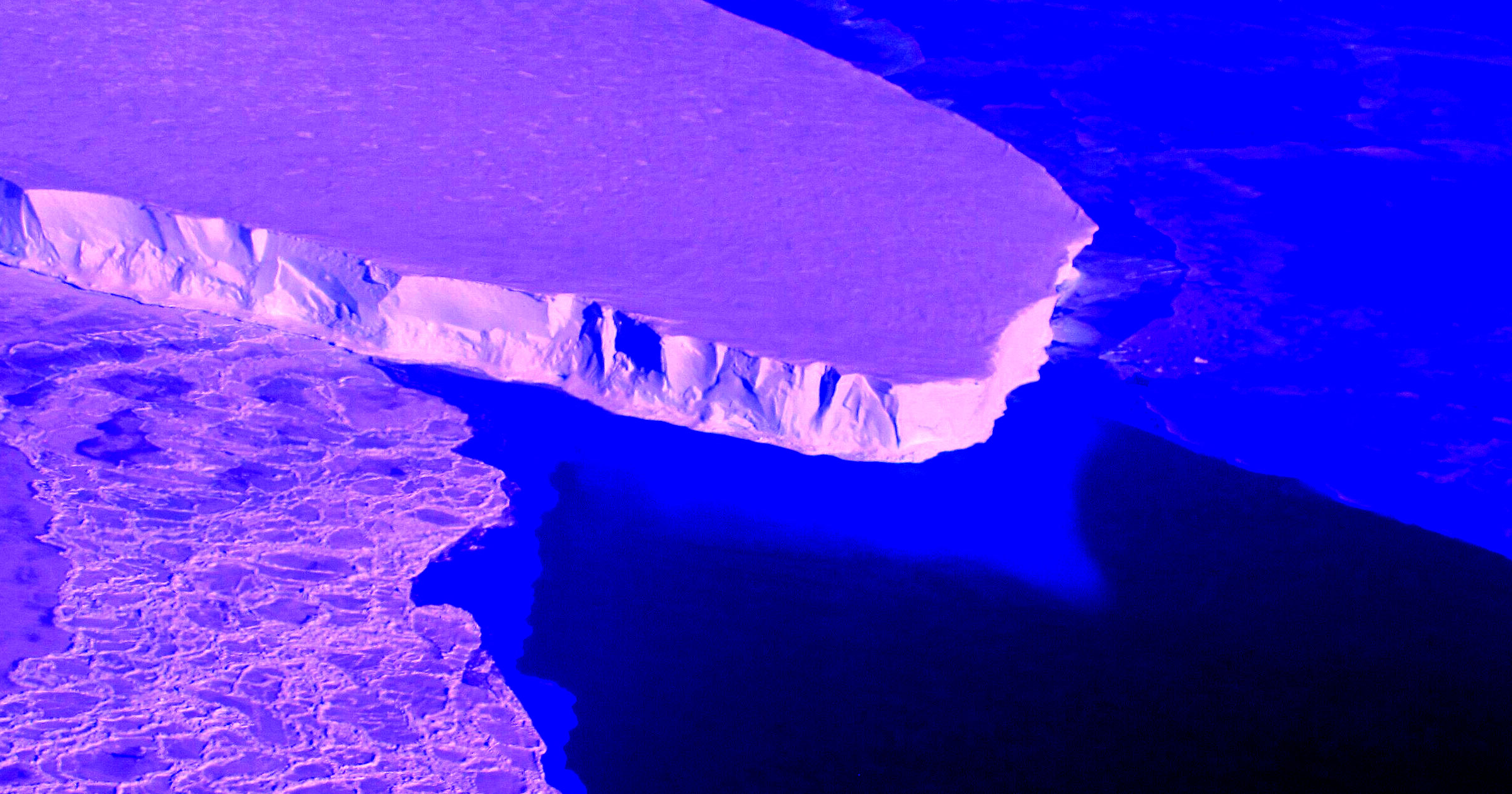
The Thwaites Glacier, often referred to as the “Doomsday Glacier,” is showing alarming signs of structural instability. Recent research indicates that significant cracks are forming in the ice shelf, which could lead to a catastrophic collapse with far-reaching implications for global sea levels and coastal communities. If it were to collapse, scientists estimate it could contribute to a rise of up to **11 feet** in ocean levels, endangering millions of lives worldwide.
A study published by the **International Thwaites Glacier Collaboration (ITGC)** highlights the glacier’s accelerated retreat over recent decades. Researchers from the **University of Manitoba** analyzed satellite data from **2002 to 2022**, revealing the rapid growth of fractures in the glacier. The research indicates that the total length of fractures has expanded from around **100 miles** to over **200 miles**, although the average length of individual fractures has decreased. This suggests that new stressors are impacting the glacier’s structural integrity.
Warming Ocean Waters and Feedback Loops
Compounding the glacier’s instability, warming ocean waters are eroding ice shelves from below. Another study has observed that this melting process can occur rapidly, within hours or days, as warm water currents disrupt the ice structure. These currents can create swirling eddies measuring up to **six miles** across, further exacerbating the situation.
The international research team identified a concerning feedback mechanism: cold water released from the melting ice shelf mixes with warmer, saltier ocean waters, creating turbulence that accelerates further ice melting. According to **Lia Siegelman**, an assistant professor at **UC San Diego**, “This positive feedback loop could gain intensity in a warming climate,” highlighting the urgent need for further research.
Long-term Implications and Urgent Action Required
The ITGC’s report, scheduled for release in **2025**, underscores that while a complete collapse of the Thwaites Glacier may not happen in the immediate future, its retreat is expected to continue and possibly accelerate through the **21st and 22nd centuries**. The report states, “Our findings indicate it is set to retreat further, and faster,” emphasizing the glacier’s vulnerability.
Scientists underscore that immediate and sustained efforts in climate change mitigation, particularly decarbonisation, may offer the best chance to delay this ice loss. Avoiding further destabilization of this critical ice mass is paramount, as its collapse could trigger similar unstable conditions in other marine-based sectors of **East Antarctica**.
As researchers race to understand the implications of global warming on the Thwaites Glacier, the outlook remains concerning. The urgency of the situation cannot be overstated, as the fate of coastal communities hangs in the balance.