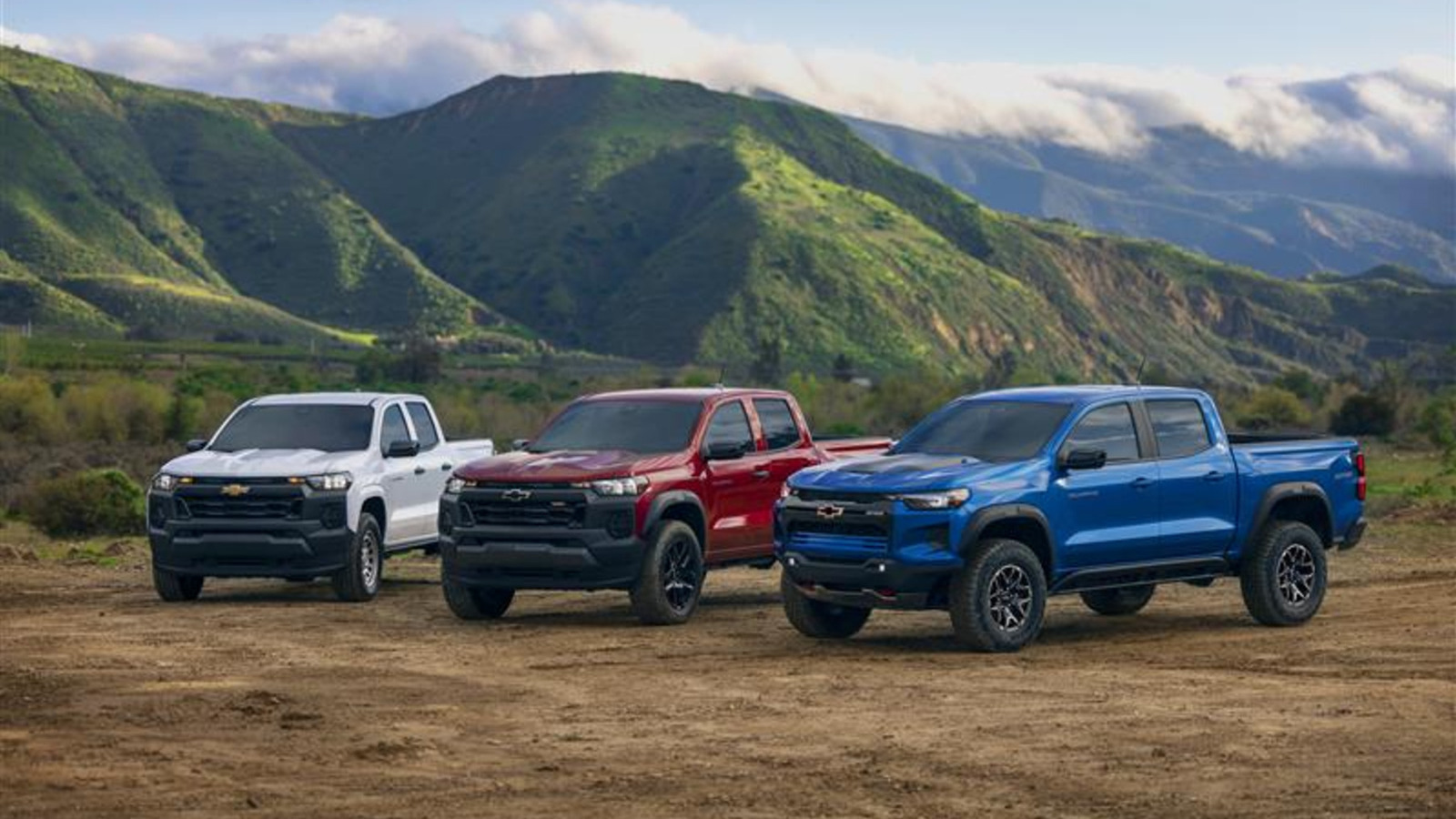
UPDATE: Chevrolet has just confirmed that several of its most popular models, including the Chevrolet Silverado and Chevrolet Bolt, will continue production in the United States, with new additions expected for the 2027 model year. This announcement comes as the automotive industry faces shifting market demands and rising competition in the electric vehicle sector.
The Chevrolet Silverado, a top seller trailing only Ford’s F-Series, is manufactured at several U.S. locations, including GM’s Fort Wayne Assembly in Indiana for the light-duty models and Flint Assembly in Michigan for heavy-duty variants. Notably, while some Silverados are produced in Mexico and Canada, all Silverado model lines are confirmed to be built in the U.S.
Chevrolet is also ramping up its electric vehicle offerings. The Chevrolet Bolt, touted to be the most affordable EV on the market, will be produced at a new facility in Kansas City starting in 2027. This comes at a crucial time as EV sales in November saw a staggering 41.2% decline compared to last year, highlighting the need for more budget-friendly options. The Bolt will start at $28,995 and features advanced technologies, including Super Cruise capability.
In addition to the Bolt, Chevrolet will introduce a new gas-powered Blazer, which is also set to be produced in Tennessee by 2027. This expansion is part of a larger strategy to re-establish Chevrolet as a key player in both the gas and electric vehicle markets.
Chevrolet’s three-row SUVs—the Suburban and Tahoe—are manufactured at Arlington Assembly in Texas, ensuring that these popular family vehicles remain American-made. The Traverse, known for its spacious interior and fuel efficiency, is produced in Lansing, Michigan.
The iconic Chevrolet Corvette, America’s supercar, continues to be manufactured in Bowling Green, Kentucky. This facility not only produces the Corvette but also attracts numerous visitors eager to witness the assembly of these high-performance vehicles firsthand.
Amid these developments, Chevrolet has invested $2.2 billion to upgrade its facilities, yet recent reports indicate that production for the Silverado EV has faced challenges, with temporary layoffs occurring at the Factory Zero site in Michigan.
As Chevrolet continues to adapt to changing consumer preferences and economic pressures, these production decisions will play a crucial role in the brand’s future. With new models on the horizon and existing favorites being manufactured in the U.S., Chevrolet is poised to meet the demands of both traditional and electric vehicle markets.
Stay tuned for more updates on Chevrolet’s evolving strategies and how they impact the automotive landscape.