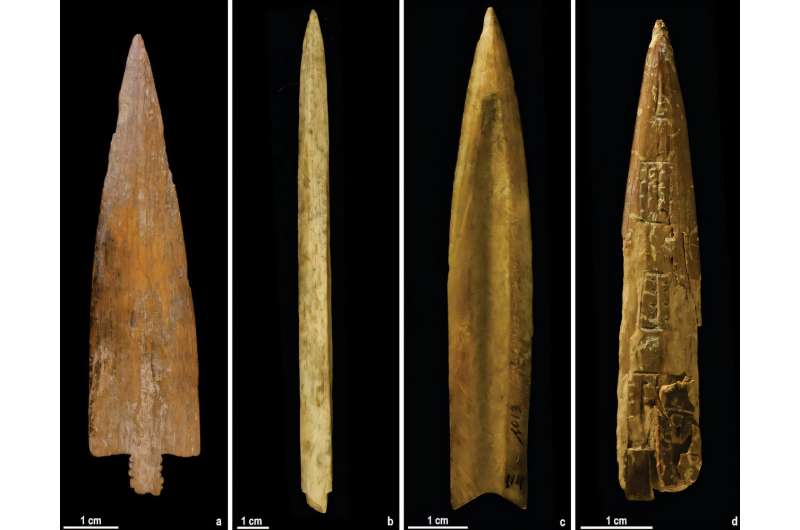
Research led by Dr. Matías Medina and his colleagues has uncovered new insights into the organized craft production of bone arrow points in prehistoric Argentina. Published in the International Journal of Osteoarchaeology, this study provides a detailed technological analysis of bone tools used by communities during the Late Prehispanic Period, approximately between 1220 and 330 cal BP. The findings enhance the understanding of social organization and daily life among these ancient populations in the Sierras de Córdoba.
For many years, there was a lack of comprehensive studies regarding the diverse raw materials utilized by the people of the Sierras de Córdoba. Previous research mostly focused on site reports with minimal descriptions of bone tools, which limited knowledge about their manufacturing techniques. Dr. Medina remarked, “Publications dealing specifically with bone technology were, for decades, scarce, especially in South America.” He emphasized that the manufacturing processes behind these tools had not been thoroughly examined, a gap that this new study aims to fill.
Analysis of Bone Arrow Points
The study involved an examination of 117 bone artifacts from the Museo Arqueológico Numba Charava, collected from various sites in the southern Punilla Valley during the 20th century. The primary raw material identified was bones from the guanaco, a member of the camel family that was hunted for food. The bones were crafted into arrow points through a meticulous process that began with splitting the metapodia, or long bones, to create workable pieces. These were then flattened, shaped, and polished to enhance performance and durability.
Dr. Medina noted that decorative bone arrow points were rare, with only three examples featuring incised designs. These decorations, primarily consisting of lines and triangles, are similar to those found on other artifacts from central Argentina. The study proposes that these arrow points were likely used more for warfare than for hunting. The stylistic attributes, including the incised designs, may have served as expressions of social identity, leaving a memorable mark on enemies.
Implications for Understanding Prehistoric Societies
The implications of this research extend beyond the Sierras de Córdoba, suggesting that similar craft production practices may have existed in other regions. The study indicates that arrowheads were produced locally, with each piece being unique, reflecting the craftsmanship passed down through generations. This finding supports the idea that the nuclear family unit was central to food and tool production during the Late Prehispanic Period.
Dr. Medina highlighted the need for comparative studies with neighboring regions, such as the Low Paraná and Uruguay River floodplains, which are over 500 km away. He pointed out that distinct bone technologies may have developed there due to differing environmental conditions and resource availability. Such comparisons could uncover valuable insights into the technological choices made by these ancient communities.
This research not only enriches the narrative of prehistoric life in Argentina but also lays the groundwork for future studies in the field of archaeology. By illuminating the complexities of ancient craft production, it contributes to a broader understanding of how these societies adapted to their environments and organized their daily lives.
The findings underscore the importance of bone tools in understanding the cultural and social dynamics of prehistoric communities. As researchers continue to explore these ancient practices, they bring to light the ingenuity and adaptability of the people who once inhabited the Sierras de Córdoba.