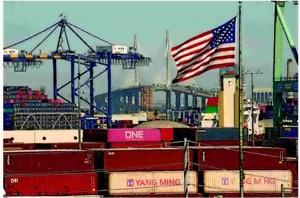
In a significant shift in trade policy, experts are actively working to decode the new tariff regulations introduced by the administration of former President Donald Trump. These changes have generated confusion among importers and customs brokers, as they navigate the complexities of the updated rules that affect a wide range of goods.
The landscape of international trade has become increasingly intricate since the implementation of these tariffs, which impact everything from agricultural products to manufactured goods. Amy Magnus, a seasoned customs broker with over fifty years of experience, has been at the forefront of this challenge. She has encountered numerous regulatory hurdles throughout her career, but she notes that the recent changes pose unique difficulties.
Navigating the new tariff landscape requires not only an understanding of the regulations but also a keen awareness of how these rules interact with existing international agreements. The U.S. Trade Representative has emphasized the need for compliance, but the ambiguity in some of the rules has led to widespread concern among businesses reliant on imported goods.
Impact on Businesses and Trade Relationships
The ramifications of these tariff changes are far-reaching. Businesses that import goods into the United States are facing increased costs, which could potentially lead to higher prices for consumers. The World Trade Organization has expressed concerns regarding the potential escalation of trade disputes stemming from these tariffs. As countries react to the U.S. policy changes, the global trade environment remains volatile.
Customs brokers like Magnus are essential in this process. They serve as intermediaries, helping businesses understand and comply with complex regulations. The uncertainty around the new tariff rules has prompted many companies to seek expert advice to avoid costly penalties. Magnus highlighted that despite her extensive experience, the current environment is unlike anything she has previously encountered.
As businesses scramble to adapt, the implications extend beyond financial costs. Trade relationships that took years to build may be strained as countries reassess their ties with the United States. Importers must now weigh the risks associated with compliance against the potential for increased tariffs on their goods.
The Future of U.S. Trade Policy
Looking ahead, the future of U.S. trade policy continues to be a topic of discussion among policymakers and industry leaders. The Biden administration, which succeeded Trump, is expected to evaluate these tariffs and their long-term implications. This transition could lead to further changes in trade regulations, but for now, importers must contend with the existing framework.
The complexities introduced by the Trump administration’s tariffs have underscored the need for clear and consistent trade policies. As experts continue to analyze the implications of these changes, businesses are left to navigate a landscape fraught with uncertainty. The ability to adapt to these evolving regulations will be crucial for companies aiming to thrive in an increasingly competitive global market.
In conclusion, as the world of trade continues to evolve, the importance of expert guidance in understanding and implementing tariff regulations cannot be overstated. The ongoing efforts of individuals like Amy Magnus reflect a broader commitment to ensuring compliance and maintaining the integrity of trade relationships in an unpredictable environment.