The prediction market firm Kalshi has sparked significant controversy by announcing plans to establish betting markets focused on whether NCAA Division I athletes will enter the transfer portal. This development raised serious legal and ethical questions, particularly following Kalshi’s notification to the Commodity Futures Trading Commission (CFTC) on December 17, 2025. The National Collegiate Athletic Association (NCAA) has criticized these plans, arguing they pose risks to student-athletes and the integrity of college sports.
Kalshi’s proposed contracts include questions like “Will [player] enter/withdraw from the transfer portal in [time period]?” and “Will [player] transfer to [team] in [time period]?” According to the company’s filings, contracts would settle based on public announcements from players via social media, athletic departments, or sports media outlets. Notably, the contracts would still resolve positively even if players later opted against entering the portal.
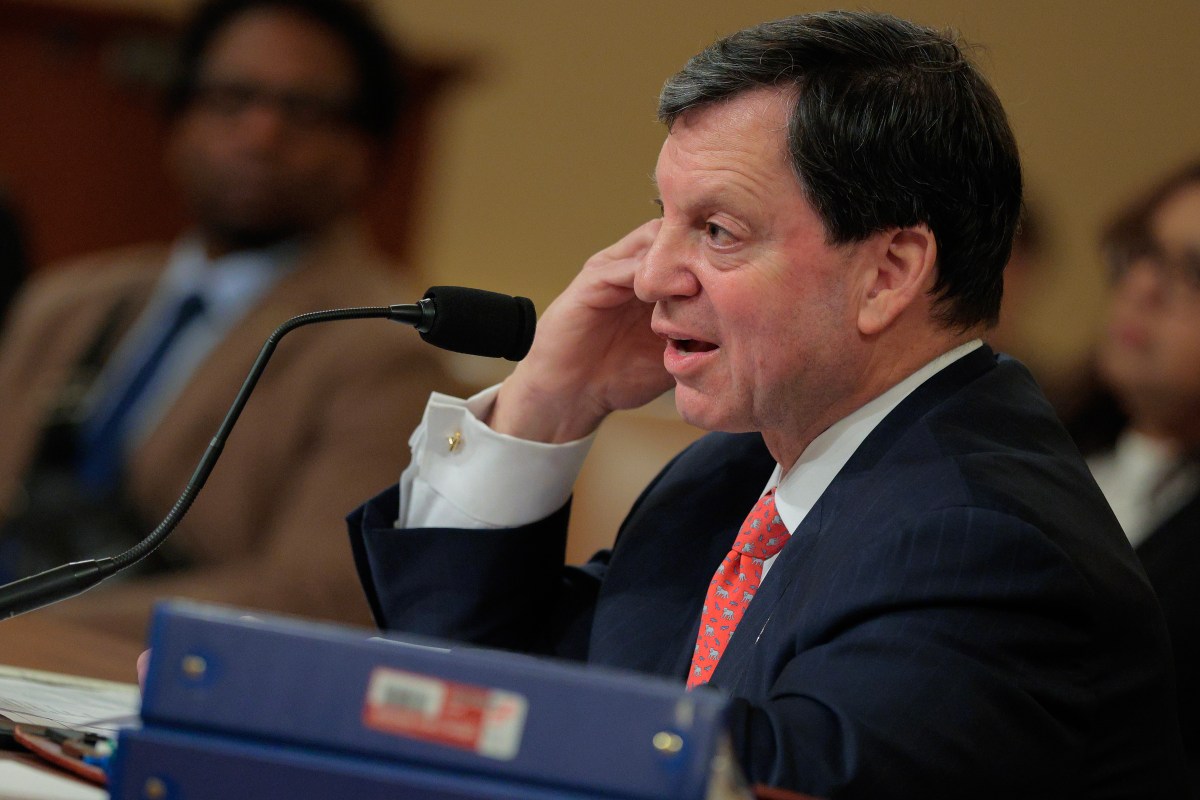
The response from the NCAA was immediate. NCAA President Charlie Baker condemned the proposal, stating that it is unacceptable and could exacerbate harassment faced by student-athletes already subjected to betting-related abuse. Baker highlighted that allowing betting on the transfer portal would increase pressure on these athletes and undermine the integrity of collegiate competition.
Kalshi’s announcement arrived at a time when the company was already navigating a complex legal landscape. In April 2025, a federal court in Nevada granted a preliminary injunction allowing Kalshi to offer sports event contracts, followed by a procedural victory in New Jersey. However, a significant setback occurred in late November 2025, when Judge Gordon reversed the injunction, citing that Kalshi’s interpretation of the Commodities Exchange Act (CEA) was an overreach aimed at avoiding state regulations. He warned that such a move could disrupt decades of federalism in gaming regulation.
As a result of this ruling, Kalshi now faces increased vulnerabilities in Nevada while pursuing appeals in both the Ninth Circuit and Fourth Circuit courts. The judge’s decision has shifted Kalshi’s status from appellee to appellant in ongoing federal appellate cases, marking a notable change in the legal dynamics surrounding the company.
Critics argue that betting on player transfers presents unique integrity issues compared to traditional sports wagering. Unlike bets on game outcomes, transfer decisions can be influenced by various stakeholders who may have access to nonpublic information prior to any public announcements. Kalshi acknowledged this concern in its filings, outlining a list of individuals prohibited from trading, including athletes, coaches, agents, and NCAA employees with access to the transfer portal database.
The potential for manipulation in transfer portal betting raises serious concerns. Critics maintain that the transfer market involves business decisions that can be financially incentivized, contrasting with game outcomes determined solely by athletic performance. Furthermore, many college athletes are now under contracts with their universities, raising questions about the implications of betting on their transfer decisions, including risks of tortious interference claims.
This controversy highlights Kalshi’s broader strategy to push regulatory boundaries. Judge Gordon’s ruling pointed out that since the initial injunction, Kalshi had expanded its offerings significantly. The judge noted that the company began to include prop-style markets, which Kalshi previously suggested would be inappropriate. Although Kalshi stated it has “no immediate plans to list these contracts,” it remains clear that the company is not entirely abandoning the concept.
Despite the backlash, the existence and expansion of transfer portal betting markets remain largely unregulated, and Kalshi’s approach continues to attract scrutiny. The ongoing debate over the legality and ethics of prediction markets in college sports signals a critical moment for federal and state policymakers. It may compel a more comprehensive examination of the prediction market industry, addressing concerns about regulatory adequacy, competitive integrity, and the welfare of student-athletes.
As the situation evolves, it is apparent that the controversy surrounding transfer portal betting may serve as a pivotal catalyst for significant regulatory changes in the realm of college sports and prediction markets.