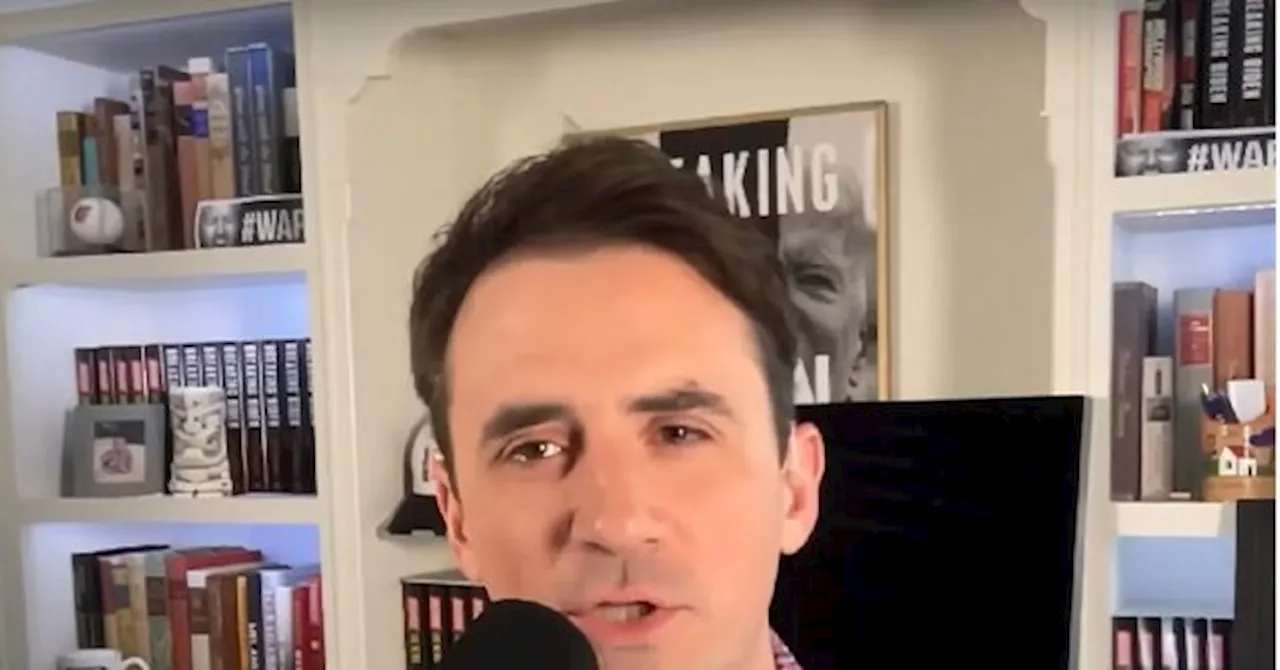
In a recent interview on C-SPAN’s “The Alex Marlow Show,” Breitbart Editor-in-Chief Alex Marlow asserted that the Department of Justice (DOJ) under Joe Biden has been influenced by political motivations in its prosecution of former President Donald Trump. Marlow alleged that there has been direct coordination between the White House and the DOJ regarding all major legal cases against Trump.
Marlow’s comments were made during a discussion about the current political climate and the legal challenges facing Trump. He stated, “All six of the major cases against President Trump had White House coordination…the DOJ under Joe Biden was political.” This assertion raises questions about the integrity of the judicial processes involved in these high-profile cases.
Marlow’s Claims and Broader Implications
The implications of Marlow’s allegations are significant, suggesting a potential erosion of the separation between the executive and judicial branches of government. If true, these claims could undermine public trust in the legal system, particularly in politically charged cases. Marlow’s statements have not been uniformly reported across major news outlets, which have focused on other aspects of the ongoing political discourse.
During the interview, Marlow highlighted the media’s role in shaping public perception, criticizing coverage that he believes downplays the alleged political motivations behind the DOJ’s actions. His remarks reflect a growing sentiment among some conservative commentators who argue that the legal challenges against Trump are part of a broader attempt to politically marginalize him and his supporters.
Responses from Political Figures
In light of these claims, Tom Emmer, House Majority Whip, has called for answers from Minnesota Governor Tim Walz regarding separate allegations of fraud within the state. Emmer’s comments come amidst a notable increase in scrutiny over governmental actions and the accountability of public officials.
As political tensions rise, the intersection of law and politics remains a focal point of debate, particularly in the context of Trump’s ongoing legal challenges. Observers are closely monitoring how these developments will influence both the Republican Party and the broader political landscape as the next election cycle approaches.
Overall, Marlow’s assertions underscore the contentious atmosphere surrounding Trump’s legal troubles and highlight a perceived divide in how these issues are reported and discussed in the media. The ramifications of these claims may extend beyond immediate legal considerations, potentially impacting public trust in governmental institutions.