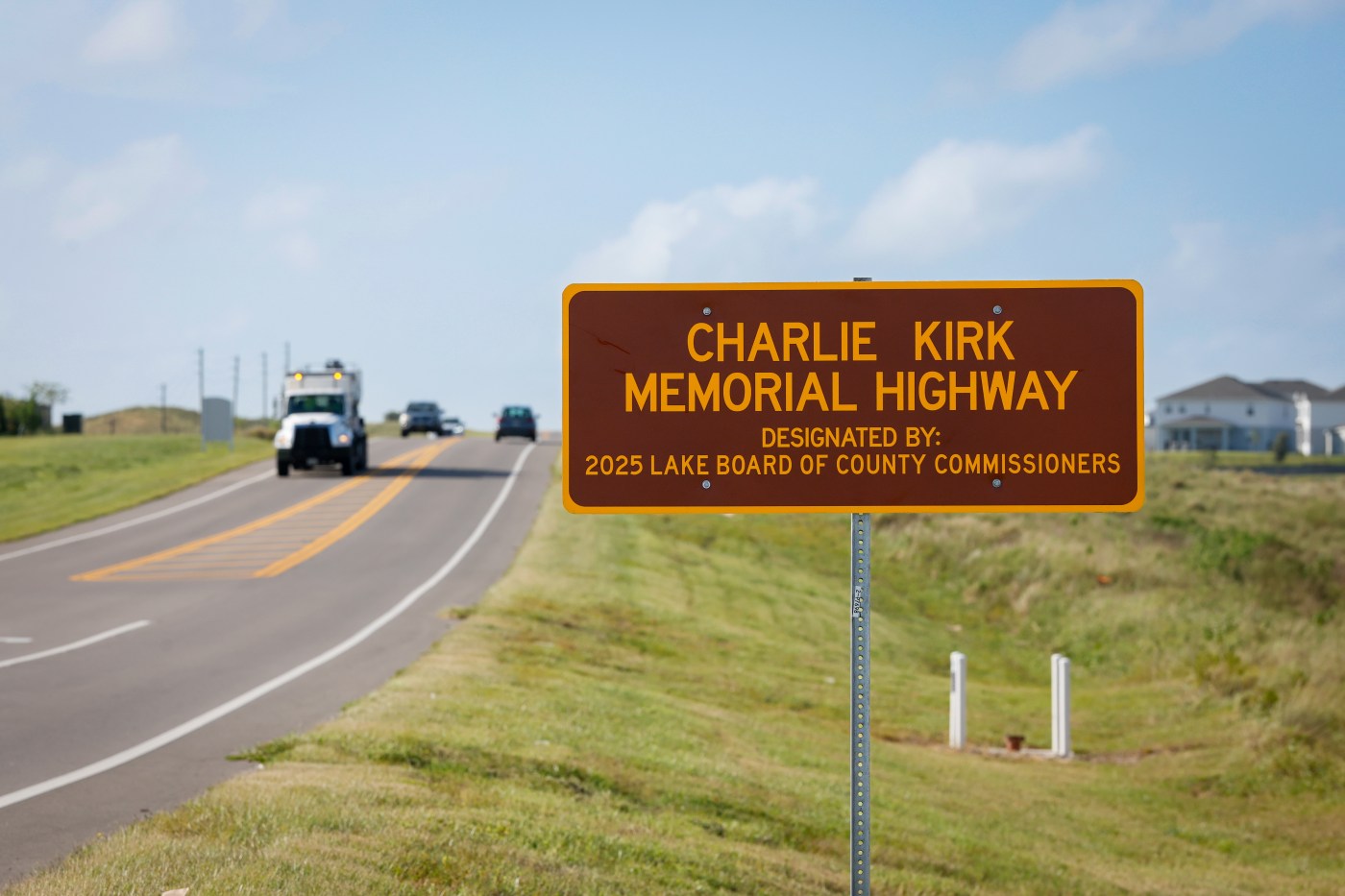
The Florida Legislature is moving forward with a proposal to designate October 14, the birthday of conservative activist Charlie Kirk, as a statewide “Day of Remembrance.” This bill, which has already passed a Senate committee with a party-line vote of 5 to 2, aims to honor Kirk following his recent shooting during a speech in Utah. While Kirk has been a polarizing figure, the decision to commemorate him has raised questions about the implications of such recognition and its historical context.
Kirk, the founder of Turning Point USA, has drawn both admiration and criticism for his views. He has made headlines for controversial statements, including calling the late Rev. Dr. Martin Luther King Jr. “not a good person” and labeling the Civil Rights Act of 1964 a “huge mistake.” While his right to express these opinions is protected under free speech, many argue that his elevation in Florida’s commemorative calendar overshadows other significant figures in the struggle for civil rights.
The proposal’s detractors point out that Florida has a rich history of civil rights activism that deserves recognition. One notable example is Harry T. Moore, a pioneer in the civil rights movement in Florida. Moore was murdered on December 25, 1951, due to his activism, which included advocating for equal pay for Black teachers and pushing for voter registration among Black citizens. His tragic death, along with that of his wife, Harriette, who died from injuries sustained in the bombing of their home, exemplifies the sacrifices made for civil rights.
Although the Moores are included in Florida’s social studies curriculum, their contributions are often overlooked in discussions about civil rights martyrs. Their absence from memorials and commemorations highlights a gap in recognizing the full scope of the struggle for equality in the state.
If the Florida Legislature aims to honor Kirk, it should also consider other figures whose sacrifices for freedom and equality were equally profound. The killings of Andrew Goodman, James Earl Chaney, and Michael Schwerner in Mississippi in 1964 serve as a reminder of the dangers faced by those advocating for civil rights. These young activists were murdered by the KKK while attempting to register Black voters, and their story is one of many that deserves acknowledgment.
Additionally, civil rights leader Medgar Evers was assassinated in 1963 for his activism, highlighting the ongoing struggle against racial violence and oppression. The commemoration of a single individual, regardless of their impact, may inadvertently diminish the memory of these significant figures.
The proposed legislation, which also includes provisions to rename streets in honor of Kirk at state colleges and universities, has sparked further debate. Critics argue that such actions should not single out one individual, especially one whose views have been contentious. A true Day of Remembrance should encompass a broader spectrum of individuals who have fought for justice and equality.
While the intention behind the bill may not be offensive, it raises important questions about the values that Florida seeks to uphold. The recognition of free speech should not come at the expense of honoring those who have made enduring contributions to the fight for civil rights.
Ultimately, if Florida’s lawmakers choose to commemorate Kirk, they should also take the opportunity to honor a wider range of civil rights heroes, ensuring that the legacy of those who fought for freedom is not forgotten. As the discussions continue, it is crucial that the history of the civil rights movement in Florida is told in its entirety, reflecting the diverse voices that have shaped it.